KUCHING: Stinablis Sdn Bhd is working to turn two potential pilot projects into paid deployments as it prepares to scale its recycled-plastic tactile paving business.
Founder Jacob Jim said both opportunities emerged through connections made under the Shell LiveWIRE Malaysia programme, giving the Sarawak-based company a chance to test its product in real-world applications.
“We currently have two potential pilot sites in the pipeline, with both opportunities coming through connections and doors opened by the Shell LiveWIRE programme. We are working towards converting these into paid deployments,” he told Sarawak Tribune.
Jacob said the pilots would help validate the product’s performance and commercial viability as Stinablis works towards securing larger projects.
The company has also gained a clearer understanding of what customers want from its recycled-plastic tactile paving.
“The biggest learning is that customers are interested in the product primarily because of its functionality, durability and lower maintenance, not simply because it is recycled,” he said.
That feedback has sharpened Stinablis’ focus on testing and certification, as customers require clear performance data and recognised certification before committing to larger volumes.
Jacob said certification and production scale were currently the main constraints on growth, despite the company having access to plastic feedstock and seeing increasing customer interest.
“We have access to plastic feedstock and there is growing customer interest, but larger commercial and government projects require consistent production, verified performance and the relevant certifications,” he said.
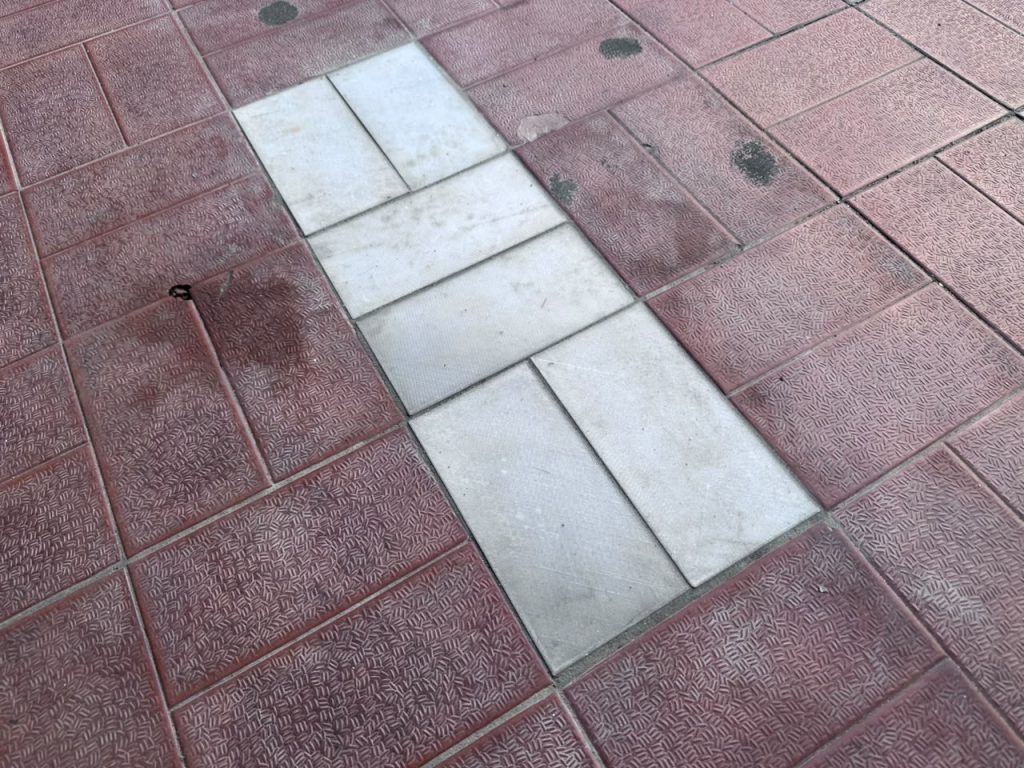
Stinablis currently operates a small-batch production setup capable of producing about 50 to 100 tiles a day, depending on the product and process.
It is deliberately operating below maximum capacity while refining its manufacturing process and validating demand, with plans to move towards semi-automated production to raise output without a corresponding increase in manpower.
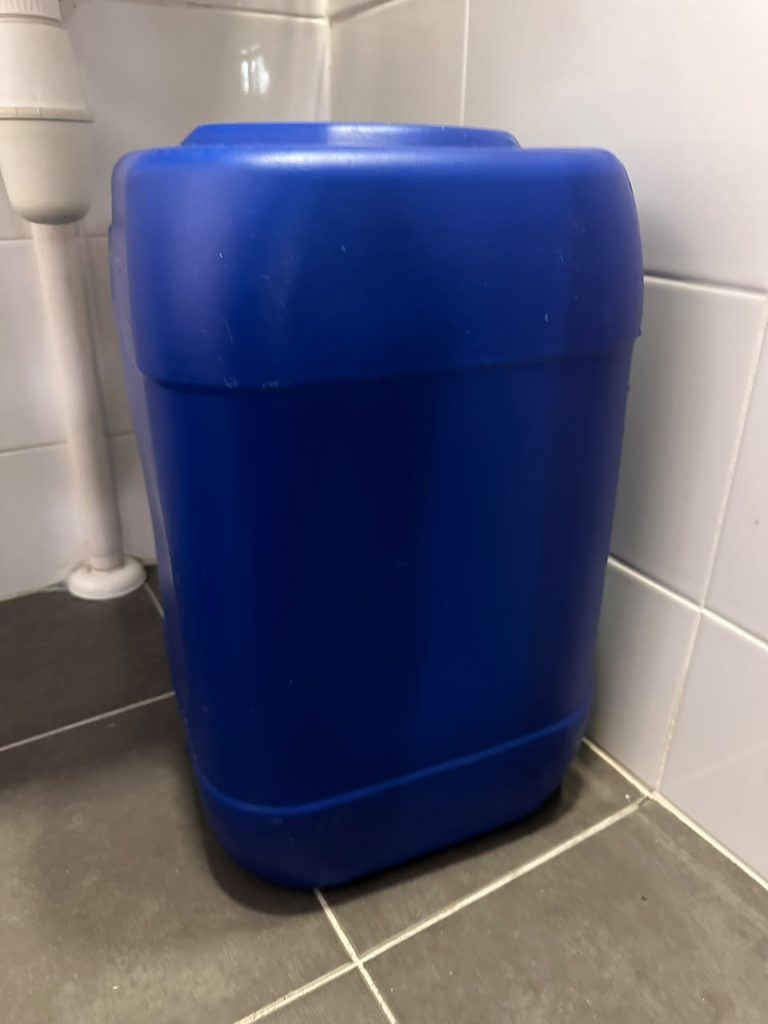
The company has so far diverted and converted nearly two tonnes of plastic waste into products.
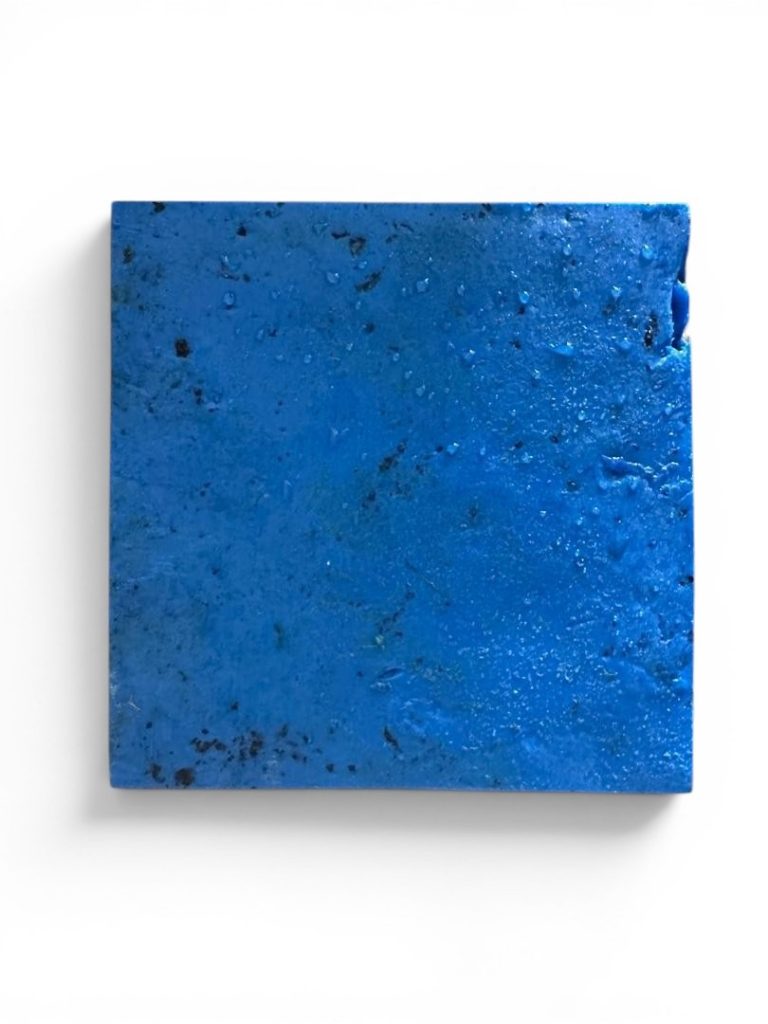
For its current tactile tile specification, about 45kg of recycled plastic is required to produce one square metre of paving, although Jacob said the figure could change as the company improves its product geometry and manufacturing process.
Stinablis is also putting systems in place to track materials from collection through to finished products as production expands.
Beyond its current operations, the company has started work on planned manufacturing sites in Kota Kinabalu and Cheras.
Jacob said an office location had been confirmed in Cheras, while the Kota Kinabalu site was still being finalised. Both are intended to establish production capacity closer to customers.
Rather than building all its own facilities, Stinablis plans to work with manufacturing partners to expand more efficiently.
“We can grow much faster by working with existing partners rather than building every facility ourselves,” Jacob said.
He said the partnership model could also widen the company’s environmental impact by involving more communities in plastic recovery.
“More importantly, we cannot solve the plastic waste problem alone.
“If we want meaningful environmental impact, we need to build a network of partners and communities that can collectively scale production and waste recovery,” he said.
On pricing, Jacob said Stinablis was not seeking to compete solely by offering a cheaper product upfront.
Instead, it is targeting lower costs over the product’s lifespan through greater durability, reduced cracking and maintenance, as well as lighter weight and easier handling.
“The savings depend on the application, but our value proposition is not simply a lower upfront price,” he said.
The company is collecting project-level data to measure those savings rather than applying a single percentage estimate across different uses.
Stinablis is also pursuing SIRIM Eco-Label and Construction Industry Development Board (CIDB) certification, which Jacob said would be crucial to securing larger commercial and government projects.
“Certification is effectively the bridge between having a working product and being accepted into larger procurement channels,” he said.
Jacob said the longer-term aim was to establish recycled-plastic construction products that could compete beyond their environmental credentials.
“Our goal is therefore not just to make a sustainable product, but to make one that can compete on performance, compliance and total cost,” he added.