Literacy begins long before a child learns to read. In the first of a two-part feature, we look beyond the pages of books to explore how conversations, stories and everyday experiences lay the foundations for literacy from a young age.
The Quiet Beginnings of Literacy
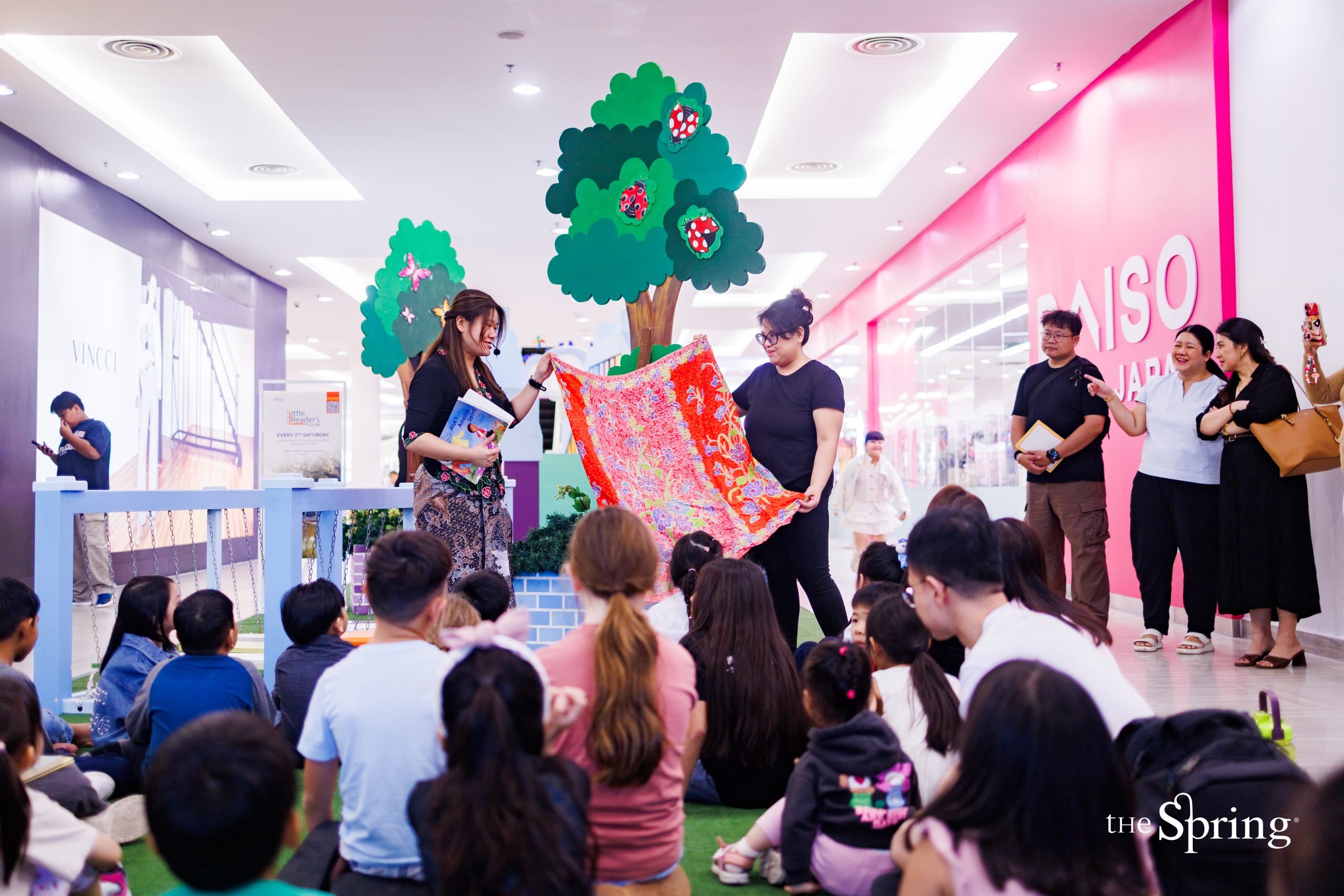
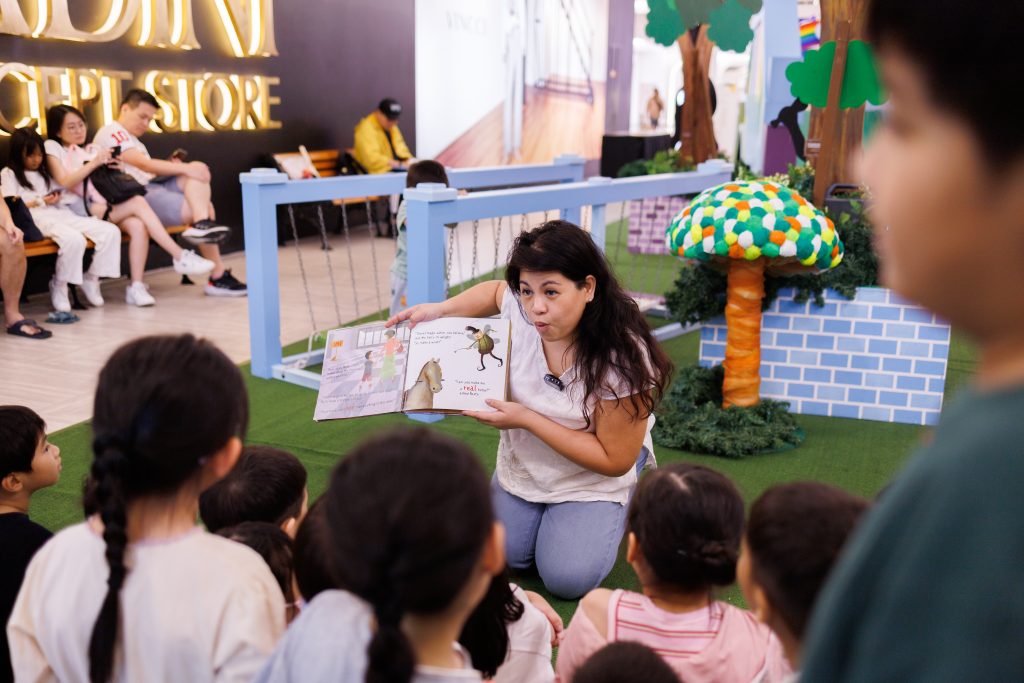
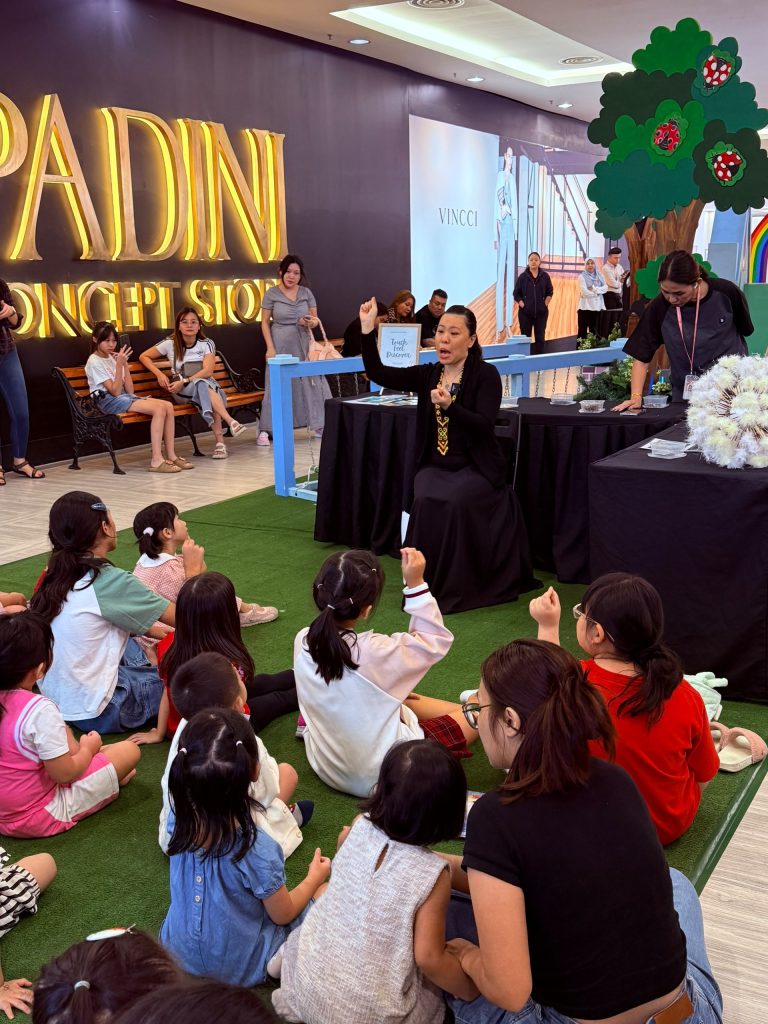
Wide-eyed and attentive, the children gathered at tHe Spring shopping mall in Kuching eagerly await each month’s ‘Little Readers’ Club’ session. As storytellers enthusiastically read from their books, the children seated around them discover worlds beyond their imagination.
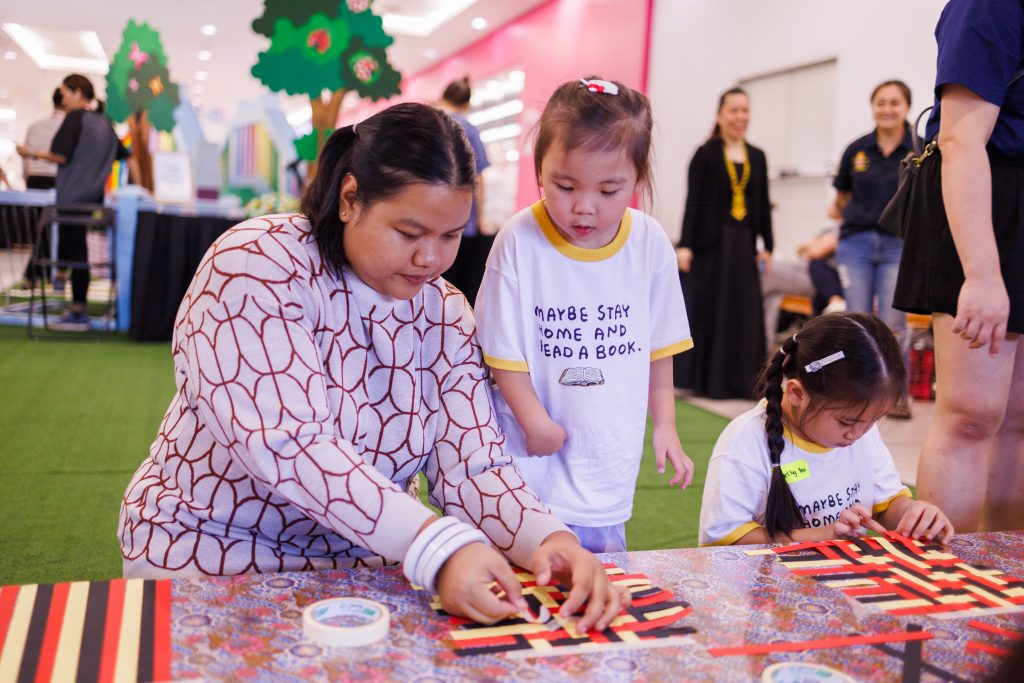
For a while, the world around them seems to stand still as the children are transported into another world — one filled with ideas, possibilities and imagination. With each Little Readers’ Club activity, the mall, its participating tenants, the Sarawak Storytellers Association (SSA) and the mall’s affiliate company, Perbena Emas Sdn Bhd, come together to create a gateway to language and learning.
This matters even more in an era when the fast-paced world around us quietly shapes the way we think, behave and communicate. The simple act of sitting with a story offers children something increasingly precious: the chance to slow down, listen, imagine and make sense of what is before them.
For the Little Readers’ Club, every eager face represents the possibility that, somewhere between a picture, a sentence and a shared story, a child might discover a new question, a new idea or simply the joy of turning another page.

“Most importantly, we hope that every child, regardless of their circumstances, has the opportunity to experience this.”
That belief in making reading accessible is also reflected in the programme’s efforts to include children from underprivileged families and communities, with Perbena Emas Sdn Bhd sponsoring their participation so they can take part alongside other children.
Most recently, tHe Spring’s Little Readers’ Club received the Silver Award at the Top Sustainability Practices Award 2026 by PPK Malaysia (Malaysia Shopping Malls Association), recognising the programme’s contribution to social sustainability and community engagement.
But beyond the activities, awards and monthly gatherings lies a bigger question — one that World Literacy Day invites us to consider: What does it really mean to be literate?
Beyond being able to read the words on a page, literacy begins much earlier — in the conversations we have with children, the stories we share, the questions they ask and, eventually, their ability to understand not only what they read, but what lies between the lines.
Literacy starts young
For many children, reading is no longer a habit cultivated from a young age. As a former literature teacher, SSA co-founder Poh Sze-Lyn said she had encountered many students who could read the words in their textbooks but struggled when asked to explain what literacy meant.
Highlighting this important distinction, Poh said literacy means being able to interpret texts and understand their deeper meaning.
“It’s beyond just being able to read, but to also be able to interpret texts for their deeper meaning in order to participate fully in society.”
But this ability does not begin in the classroom. Rather, it develops much earlier, when reading and language are first introduced into a child’s everyday life.
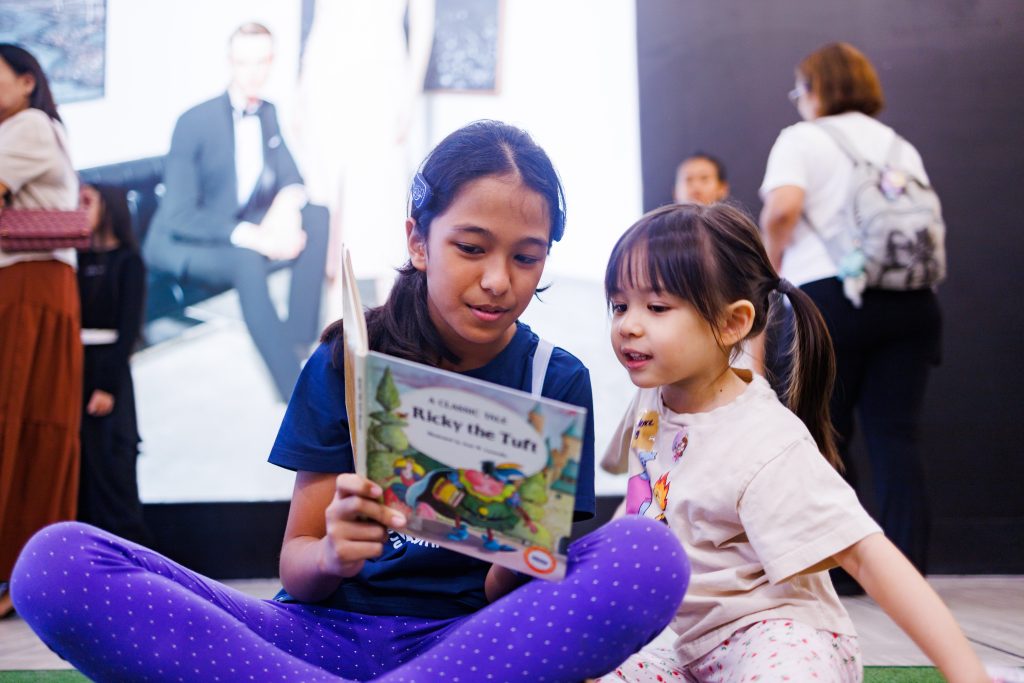
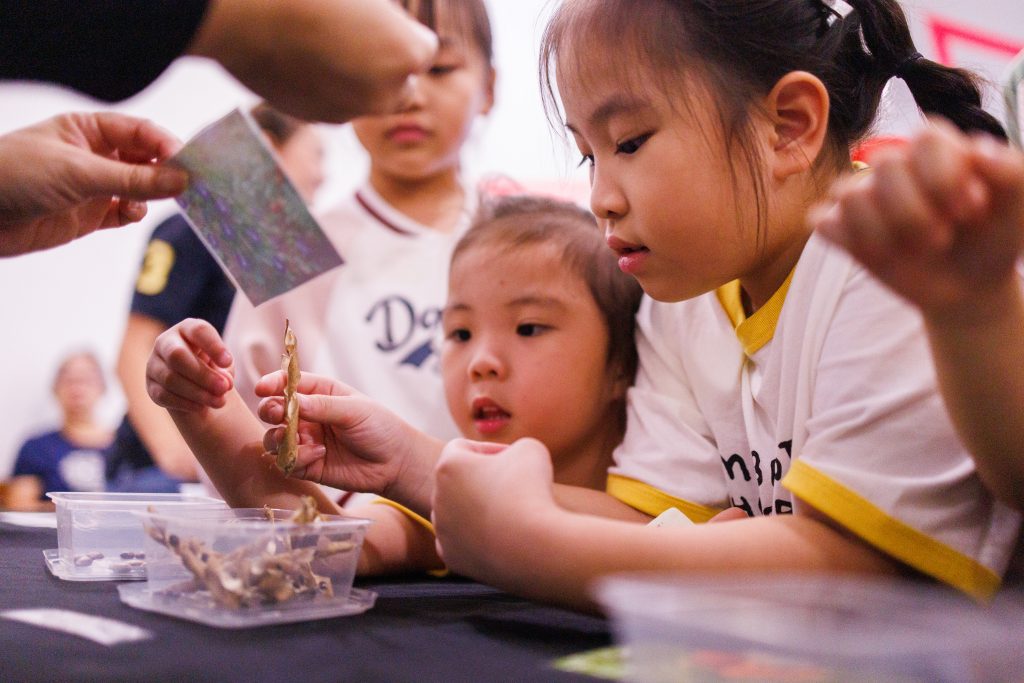
As someone who has always loved books, Poh introduced them into her children’s lives from an early age, beginning even before they were born. The mother of two said she began reading to them while they were still in the womb and continued the practice after they were born.
“My husband and I are always reading to them. That’s because babies’ brains are like sponges. They absorb everything,” she said.
While babies may not immediately understand the words being read to them, Poh explained that these early experiences help build their vocabulary from a young age.
“What we say to them increases the number of words in their brain. And it doesn’t have to come only from reading. It can also come from talking to them.”
For instance, Poh’s husband would point out the blue sky to their children, turning an everyday moment into an opportunity to introduce new words.
It is through these simple conversations, she said, that children begin building their vocabulary and, in turn, laying the foundations for literacy development.
Importance of literacy development
Building a strong literacy foundation is essential, Poh said. This, she explained, begins with developing a child’s familiarity with books, sounds and language long before they are expected to read independently.
“It first starts from listening, and then it goes on with print awareness, which is the understanding that books have a particular form, and that each page carries meaning. Babies do not know about the picture or text in a book, but just by handling a book, they are learning,” she said.
From holding a book and turning its pages to eventually recognising that printed words are different from pictures, these seemingly simple interactions help children become familiar with the world of reading.
Another important foundation is phonemic awareness, in which children begin to recognise and distinguish the sounds within spoken language. Songs, rhymes, repetition and conversations can all help children become more aware of how words sound.
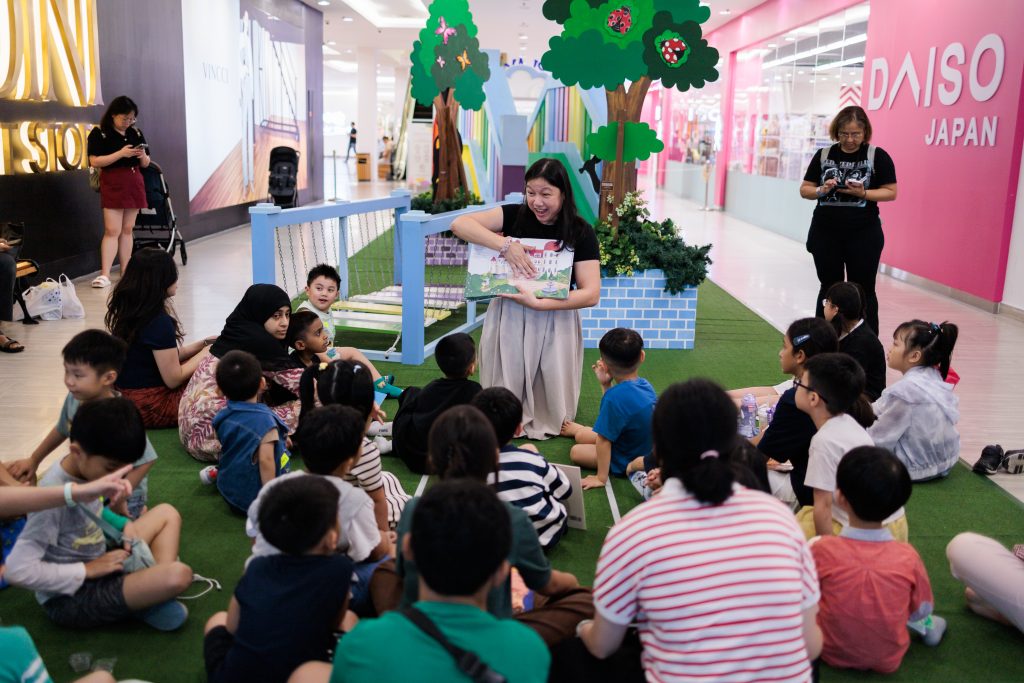
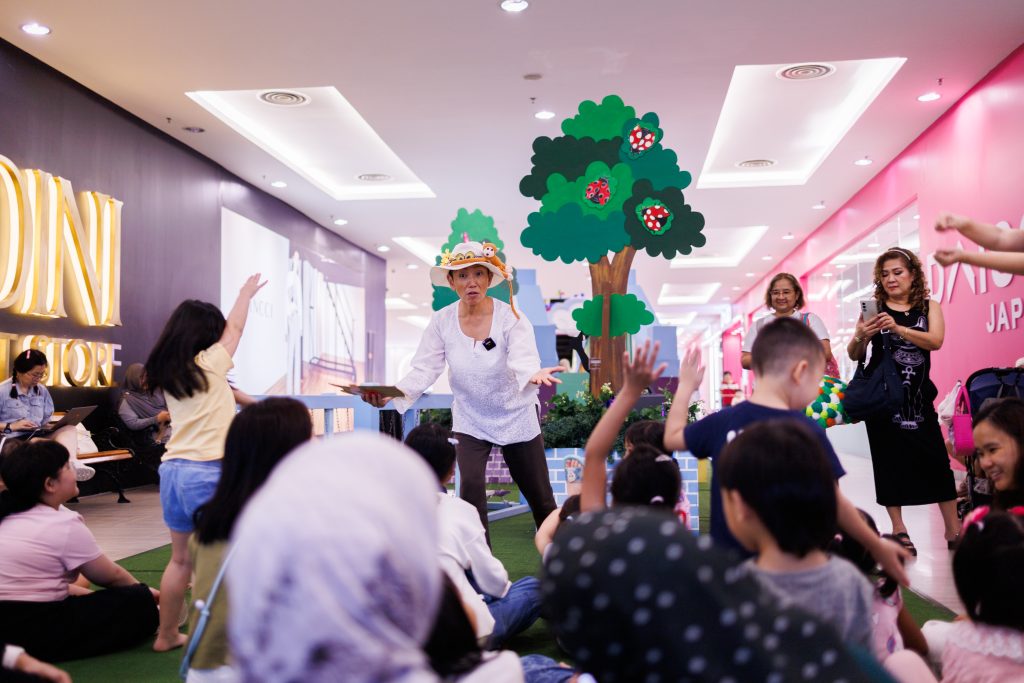
But literacy development is not confined to what happens between the pages of a book. Poh emphasised that talking is equally important in building a child’s vocabulary. Everyday conversations allow children to hear and learn words that may not necessarily be part of their daily experiences.
The more words a child is exposed to, the more they have to draw upon when they begin reading and communicating with others.
This is also where listening comes into play.
“There is a difference between hearing and listening. And there is also the difference between reading and actually understanding,” said Poh.
She further emphasised the importance of reading with children. This is why the SSA regularly organises family story sessions, creating a space for parents and children to come together.
“Reading books together helps us slow down and allows children to learn patience and delayed gratification.”
For Poh, who is also a leadership development manager at Teach For Malaysia, these skills eventually come together when a child learns to interpret what they are reading.
“Eventually, it comes down to emotional literacy. Through reading books, children gain empathy. In our everyday lives, there are few chances for our children to experience this kind of thing. Books open up ideas for children to think further,” she added.
In this way, literacy development goes beyond learning how to read. These skills — from listening and recognising sounds to understanding language, comprehending meaning and empathising with others — are essential not only in the classroom, but also in the wider world.
Beyond books
However, literacy isn’t confined to books. Reading is part of a child’s everyday life, from menus and shopping mall signs to the words displayed on screens.
As digital technology increasingly shapes the way we live and communicate, it has also created new platforms and opportunities for reading.
Nevertheless, Poh pointed out that screens should not simply be viewed as the opposite of reading.
“Reading online is still reading,” she said, noting that even children playing games on their digital devices are required to read words and instructions as they navigate the digital world.
The bigger question, she added, is what children do with the information they encounter.
She therefore emphasised the importance of parents co-viewing content with their children to provide guidance and ensure a healthy balance.
“We cannot cut our children away from screens, but we need to teach them how to use it properly. We need to teach them to be able to distinguish between what’s real and what’s fake. This is where digital and information literacy is important,” she emphasised.
Perhaps that is where literacy today takes on a new meaning. As we highlight World Literacy Day today, it is worth remembering that literacy is no longer confined to the pages of a book.
With children growing up amid words and information coming at them from every direction, adults have a new responsibility: to equip children not only with the ability to read, but also to understand, question and make sense of what they see.
In Part Two, we look more closely at digital literacy — and why teaching children to navigate the digital world may be just as important as teaching them to read.