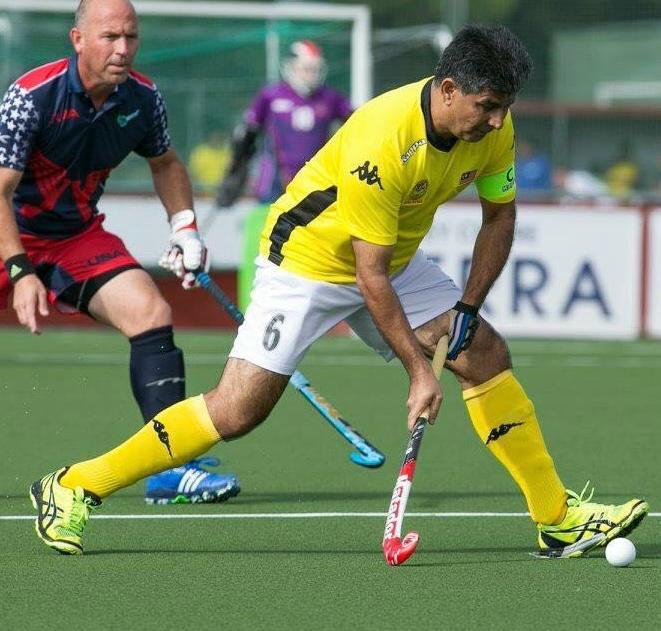
KUCHING: The federal government has been urged to introduce a comprehensive welfare and financial support scheme for former national sports personalities and their families under Budget 2027.
This scheme will ensure those who once brought glory to Malaysia are not left struggling with illness, old age or financial hardship.
Sarawak Tribune columnist M Rajah said Prime Minister Datuk Seri Anwar Ibrahim could use the Budget, scheduled to be tabled in Parliament on Oct 9, to set up a permanent national support framework covering deserving former athletes and coaches who had sacrificed some of the best years of their lives representing the country.
He said the proposed scheme could include monthly financial assistance, medical coverage, caregiver support and provisions for spouses and dependants, especially for former national representatives from earlier generations when financial rewards and long-term incentives in sport were far less substantial than they are today.
Rajah raised the issue in two recent editions of his Gasak Ajak column following the death of Malaysian hockey legend Sarjit Singh and reports concerning the health of former World Cupper Brian Sta Maria, arguing that the plight of yesterday’s sporting heroes should no longer be addressed only through one-off assistance or appeals for public donations.
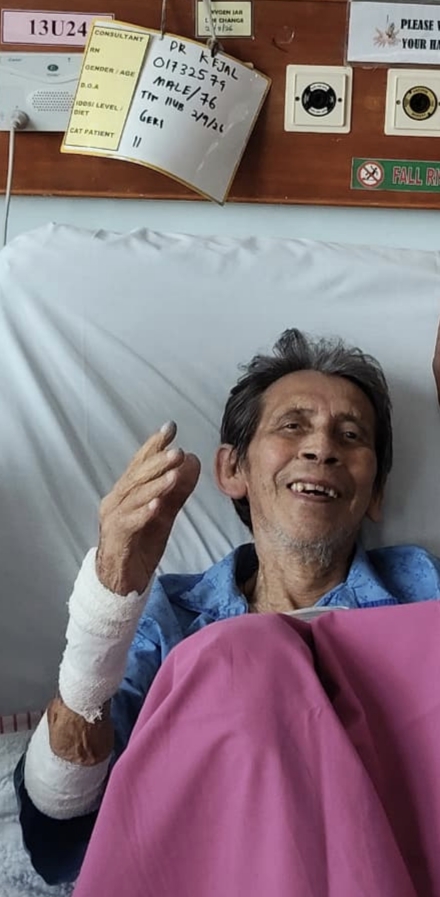
Brian, who represented Malaysia in hockey, has been battling Parkinson’s disease and other health issues and requires assistance with his daily movements.
His family also faces considerable challenges, with his wife Elaine Lam experiencing health problems of her own while the couple have a special-needs child requiring constant care.
Rajah said such circumstances raised a larger question about the responsibility of the nation towards athletes who had carried the Malaysian flag with distinction, particularly when age, illness or disability eventually caught up with them.
The death of Sarjit on Aug 23 after battling leukaemia had similarly highlighted the issue.
The former national hockey captain represented Malaysia at the 1984 Los Angeles and 1992 Barcelona Olympics, and won Asian Games bronze medals in 1982 and 1990.
He continued serving the country as a coach, including two spells in charge of the national team.
Sarjit had returned to helm the Speedy Tigers in March 2024 and subsequently guided Malaysia to a fourth-place finish at the World Cup Qualifier in Ismailia, Egypt, in March this year, with the national side ultimately qualifying for the World Cup as the highest-ranked fourth-placed team across the qualifiers.
Rajah said Sarjit’s widow had also voiced hope that the government would consider providing monthly assistance to widows and families of former national athletes, pointing out that the sacrifices made in representing the country were often borne not only by the athletes but also by their spouses and children.
While Malaysia already provides lifetime monthly rewards for Olympic and Paralympic medallists, he said there remained generations of former World Cup players, Asian Games medallists, Commonwealth champions, SEA Games stalwarts and other national representatives who competed in an era when wearing the Malaysian jersey brought comparatively little financial security.
He proposed that Budget 2027 establish a National Sports Heroes Pension and Welfare Fund, with clear eligibility criteria based on factors such as years of national service, level of competition, medals won and exceptional contributions to Malaysian sport.
Certain welfare benefits could also be means-tested to ensure assistance reached those who genuinely needed it.
Apart from monthly assistance, the fund could provide medical insurance, hospital and rehabilitation support, assistance for serious illness or disability, long-term caregiving and appropriate support for spouses or dependants following the death of an eligible former athlete or coach.
Rajah said the initiative need not be borne entirely by taxpayers, suggesting that the federal government, National Sports Council, national sports associations, corporate Malaysia and other sporting organisations could contribute towards a permanent fund administered transparently by an independent panel.
Such a scheme, he added, would not merely repay a debt to former champions but could strengthen Malaysia’s sporting future by assuring young athletes and their parents that pursuing excellence for the country would not mean being forgotten once their competitive careers were over.
With Budget 2027 approaching, Rajah expressed hope that Anwar would seize the opportunity to turn national gratitude into permanent public policy, saying Malaysia should not wait until another former champion becomes seriously ill or another sporting family falls into hardship before assistance arrives.
“Our sports heroes gave Malaysia their youth, their bodies, their family time and, in many cases, their health.
“Surely, when the stadium lights go out and the cheering stops, they deserve the dignity of knowing that their country will still be there for them,” he said.