KUCHING: Sarawak needs to expand the economic value of its forest resources by moving beyond viewing forests solely from the perspective of timber production, and instead exploring the potential of non-timber forest products, ecosystem services, carbon, biodiversity and ecotourism.
Deputy Premier Datuk Amar Awang Tengah Ali Hasan said such an approach is important to ensure the state’s forest wealth continues to contribute sustainably to new economic growth.
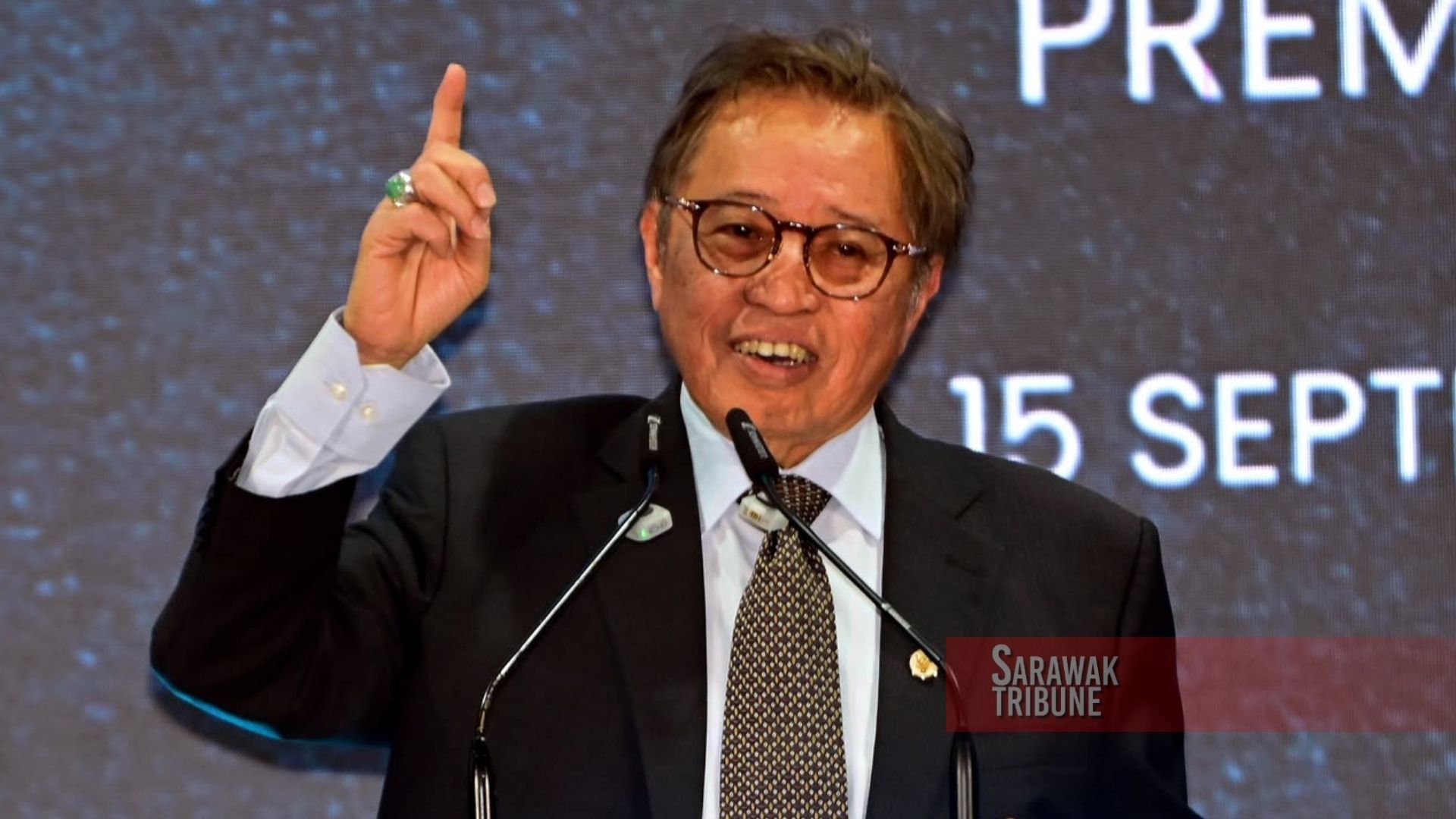
“Sarawak does not want to be known merely as a region rich in resources, but wants to be known as a region with the capability, expertise and institutions to manage our wealth responsibly and turn it into a foundation for new economic growth,” he was quoted as saying in an UKAS report.
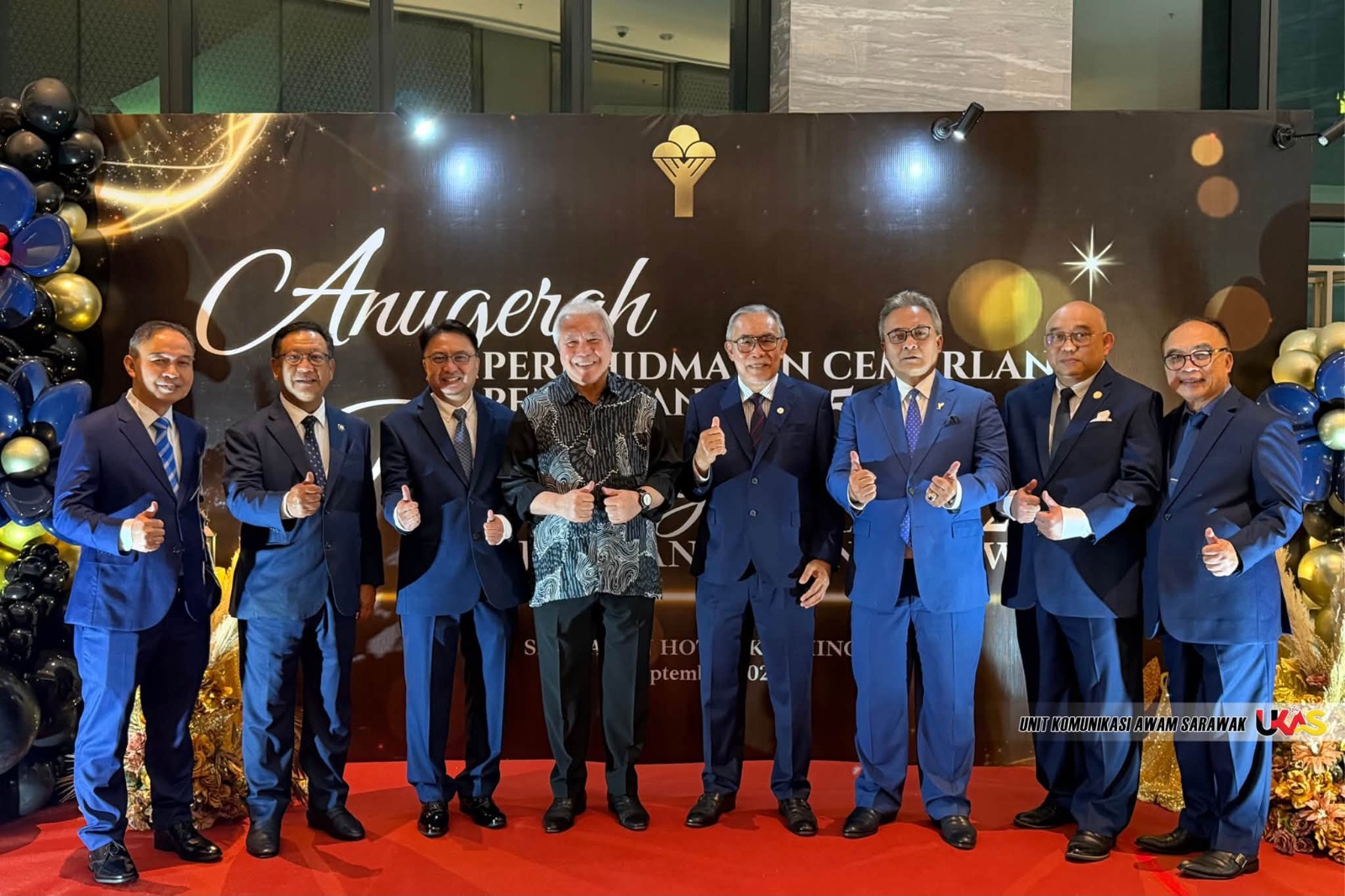
Awang Tengah was speaking at the Forest Department Sarawak Excellent Service Award (APC) and Retirees Appreciation Ceremony at a hotel here on Tuesday.
Awang Tengah, who is also the Minister for Urban Development and Natural Resources II, said forest management today must take into account the broader role of forests as biodiversity treasures, carbon sinks, water catchment areas, sources of livelihood for communities, as well as natural buffers against climate change.
He said these emerging potentials needed to be explored more strategically to ensure economic development did not compromise the sustainability of natural resources, which are important assets to Sarawak.
At the same time, he said the development of non-timber forest products should continue to be strengthened, particularly in providing economic benefits to rural communities through income opportunities and the development of enterprises based on local resources.
He also stressed the need to strengthen cooperation between the department and research institutions, universities, industry and international partners to develop technologies and expertise suited to the state’s needs.
According to him, Sarawak needs to build local expertise so that the transformation of the forestry sector does not depend entirely on technology and knowledge from external sources.
In line with these changes, digitalisation and integrity in forest management have also been given attention, including the implementation of the Electronic Removal Pass (ePASS) to improve the efficiency of timber issuance and movement processes while strengthening management transparency.
He stressed that technology should be utilised as a tool to improve service efficiency, while integrity, trustworthiness and professionalism would remain the foundation for ensuring forest resources were managed responsibly.
The approach is in line with Sarawak’s aspiration to manage its natural resources more sustainably while creating new sources of economic growth that benefit the people and future generations.