SIBU: The state government’s initiatives to develop port infrastructure in a more coordinated and integrated manner are expected to create more job opportunities in Sarawak.
These developments include the proposed Tanjung Embang Deep Sea Port, which is planned to enhance cargo-handling capacity and regional trade connectivity, as well as efforts to upgrade existing ports through improvements to navigation channels, navigational aids, terminal facilities, safety and operational efficiency.
The coordination of state ports under the Sarawak Ports Authority will also enable port planning, regulation and development to be undertaken more strategically.
Minister of Transport Datuk Seri Lee Kim Shin said these developments would create growing demand for a professional maritime workforce.
“Sarawak will require more deck officers, marine engineers, harbour pilots, terminal operators, safety and environmental officers, logistics specialists, ship-maintenance personnel, and skilled professionals in port automation and digitalisation,” he said in his text of speech at the Malaysia Maritime Week (MMW) 2026 satellite event hosted by the Sarawak Maritime Academy (SMA) at its campus in Jalan Lanang here today.
Lee’s speech was read out by his representative, Deputy Minister for Transport Datuk Henry Harry Jinep.
In line with this, Lee stressed that physical port development must progress alongside human-capital development.
“SMA and its industry partners must be ready to train Sarawakians so that they are not merely observers of this growth, but the professionals who manage, operate and lead the state’s maritime industry in the years ahead,” he said.
Lee also hoped that young Sarawakians would see the maritime industry as a high-value career choice offering broad prospects.
He said the industry needed graduates who possessed sound knowledge, were proficient in technology, demonstrated discipline, communicated effectively, embraced a strong safety culture and upheld integrity.
“This is where institutions such as SMA play an important role in bridging classroom training with the actual requirements of shipboard and shore-based operations,” he said.
“I also call upon maritime companies to continue supporting talent development through scholarships, industrial training, sea-time placements, knowledge sharing, simulator training and employment opportunities for local graduates.
“Such collaboration will ensure that Sarawak not only supplies the workforce but also develops the future leaders of the maritime industry,” he added.
Lee said the maritime industry must also advance in step with the sustainability agenda, as energy transition, emissions reduction, protection of rivers and seas, and the responsible use of resources were no longer optional.
“They are integral to industrial competitiveness and to our responsibility towards future generations,” he said.
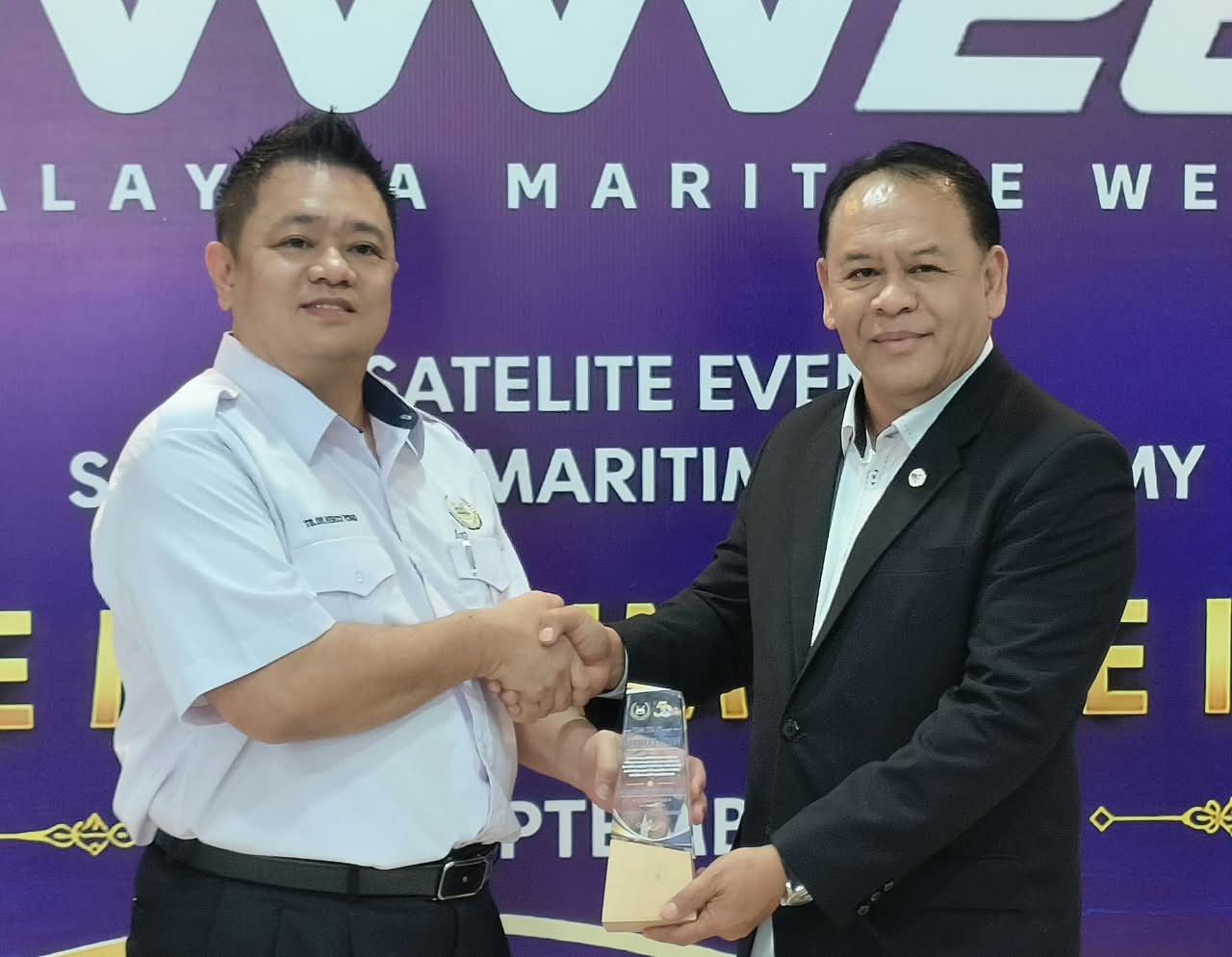
State Marine Department director Datuk Dickson Dollah highlighted the importance of maintaining high standards in maritime education to produce competent, disciplined and safety-conscious seafarers.
He acknowledged SMA’s contribution to developing Malaysia’s maritime workforce and encouraged closer collaboration with industry partners to strengthen cadet sea-time placements, structured onboard training and employment opportunities.
He also welcomed SMA’s proposed professional training pathways, subject to regulatory requirements and formal approval, while emphasising the need to prepare seafarers for digitalisation, alternative fuels and emerging technologies.
Reaffirming the Marine Department’s commitment to providing regulatory guidance, he called for continued cooperation among training institutions, industry and government to build a stronger maritime future for Sarawak and Malaysia.
SMA Director Captain Philip Wong Jing Sing said that since 2009, the academy had enrolled 507 cadets across 20 intakes in its Diploma in Nautical Studies and Diploma in Marine Engineering programmes.
Of these, 274 had obtained their diplomas, while 229 had achieved Class 3 Certificates of Competency.
SMA alumni have also progressed to become master mariners, chief engineers and marine pilots, serving shipping companies and ports locally and internationally.
A key highlight of the event was the signing of a memorandum of understanding (MoU) involving SMA and four maritime industry associations — the Malaysian Shipowners’ Association (MASA), Sarawak and Sabah Shipowners Association (SSSA), Sarawak Maritime Industry Association (SAMIN) and Sibu Shipyards Association (SSA).
The signing marked an important step towards strengthening ties between SMA and the maritime industry, providing a foundation for closer cooperation in support of maritime education and the development of local talent.