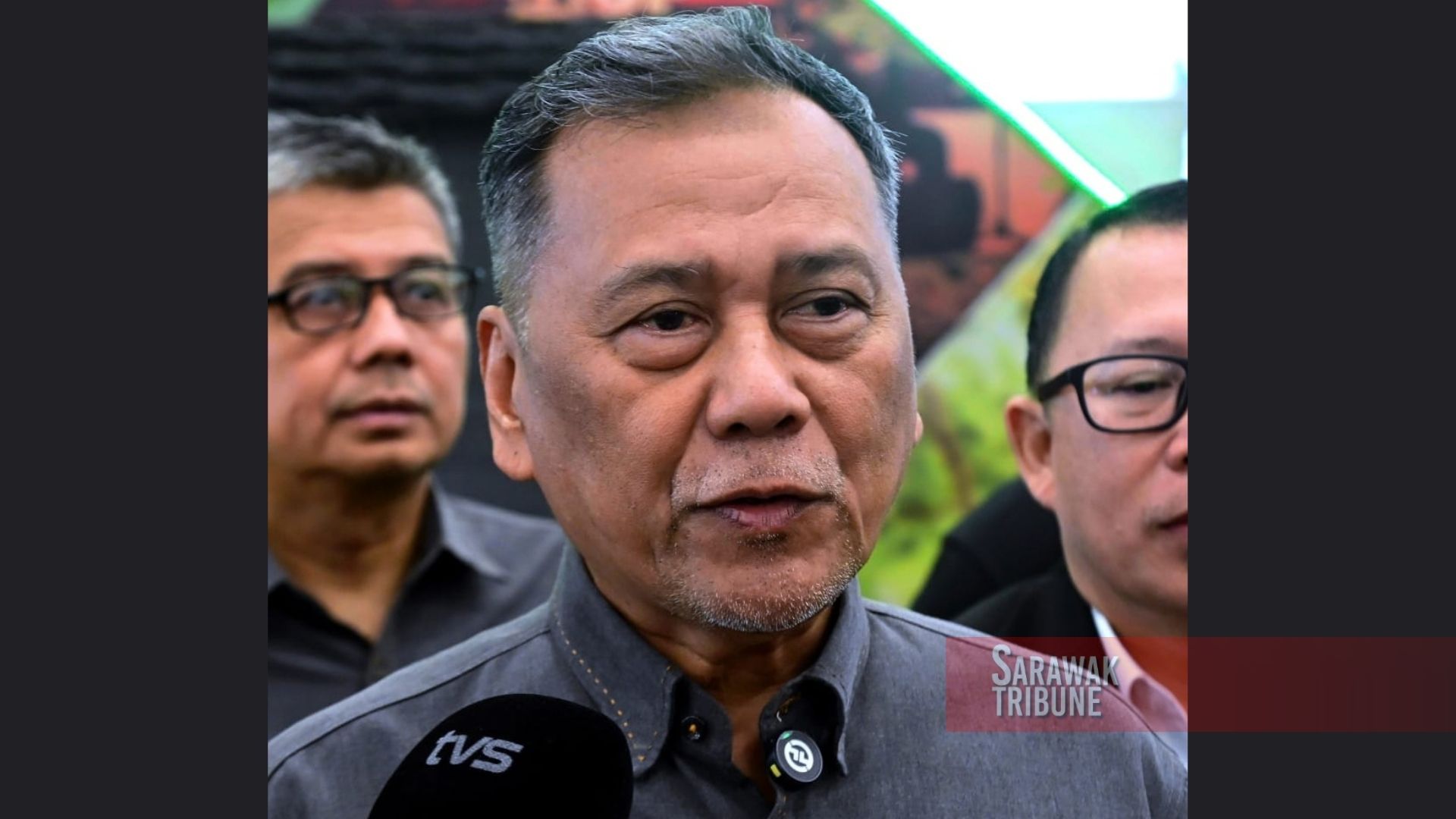
KUCHING: The Federal Government’s “acceptance in principle” to increase parliamentary representation for Sabah and Sarawak marks the beginning of a constitutional process, not the creation of new seats, says political analyst Dr Novel Lyndon.
The Universiti Kebangsaan Malaysia (UKM) political sociology professor said the decision was significant because it indicated federal recognition of the need to strengthen Sabah and Sarawak’s representation in the Dewan Rakyat.
However, he stressed that the number of additional seats, their distribution between the two states, constituency boundaries and implementation date had yet to be settled.
Prime Minister Datuk Seri Anwar Ibrahim announced on Sept 11 that the Cabinet had agreed in principle to increase Sabah and Sarawak’s parliamentary representation, with the Election Commission (EC) instructed to begin discussions on the mechanism. He also said the increase must raise the two states’ proportion of representation.
Novel said the phrase “acceptance in principle” should therefore not be interpreted as a final approval of a specific number of seats or as automatic acceptance of a one-third representation formula.
“Acceptance in principle means that the Federal Government agrees with the basic idea of increasing the number of parliamentary seats for Sabah and Sarawak.
“But it is not yet a final decision and does not mean that new seats have already been approved.”
He said the first task would be for the Federal Government, Sabah and Sarawak to agree on a clear formula covering the number of additional seats and how they would be allocated.
The formula, he added, should not be based solely on population.
“Geographical size, scattered rural settlements, poor accessibility, long travelling distances and the need to represent remote and indigenous communities must also be considered.”
The government must also determine whether additional seats would be created exclusively for Sabah and Sarawak or whether the total number of Dewan Rakyat seats would be increased more broadly.
Currently, Sabah has 25 parliamentary seats and Sarawak 31, giving the two states a combined 56 of the 222 Dewan Rakyat seats.
Novel said once an agreement on the formula is reached, Article 46 of the Federal Constitution would have to be amended, as it specifies the composition and allocation of Dewan Rakyat seats.
Under Article 159(3), a constitutional amendment of this nature generally requires the support of at least two-thirds of the total membership of each House of Parliament.
Based on the current 222-member Dewan Rakyat, that would mean at least 148 MPs if the two-thirds threshold is calculated against the full membership.
“This means cooperation between the Government and opposition parties is likely to be necessary.”
The amendment would then proceed through the constitutional legislative process before becoming law.
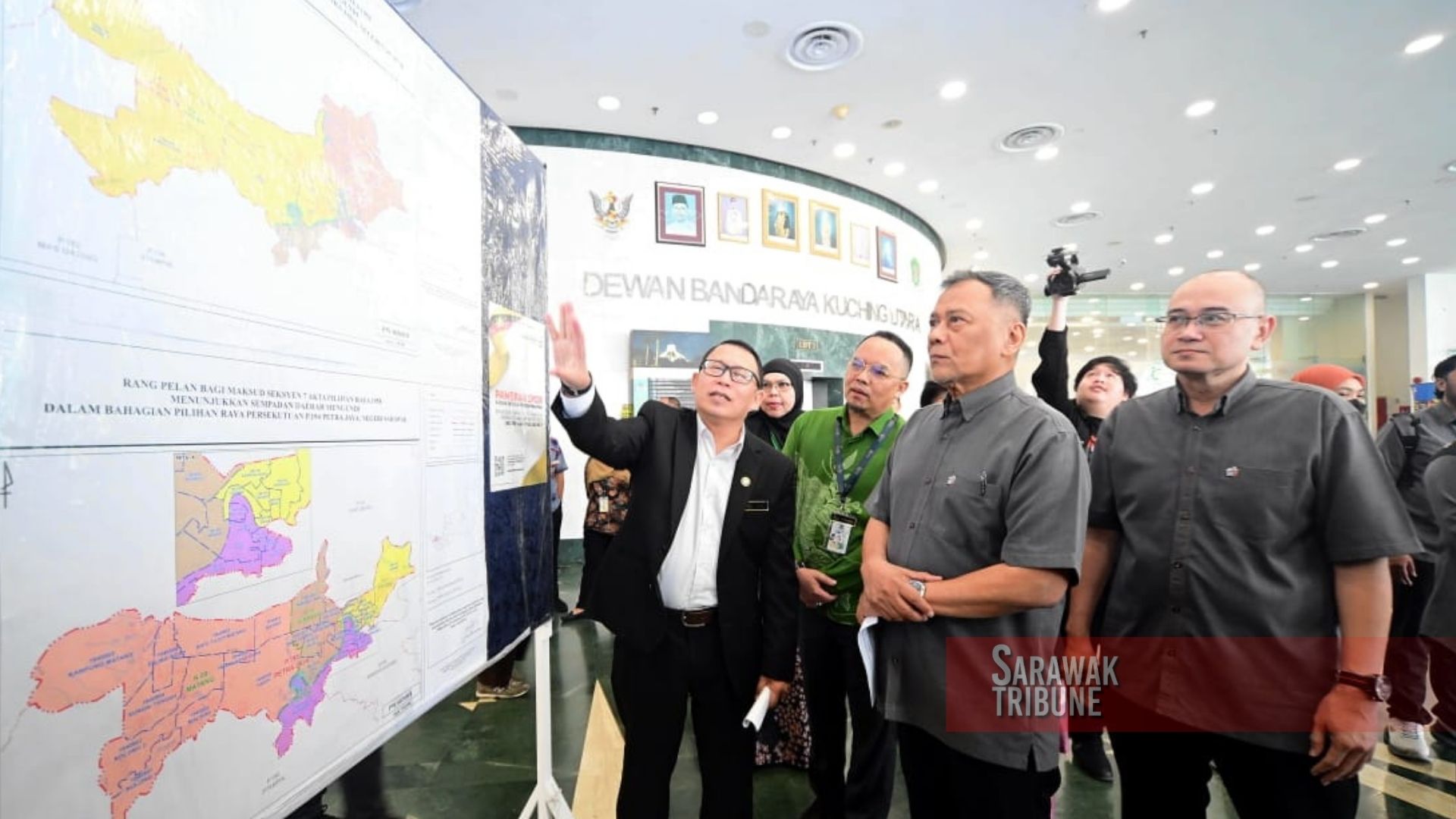
Novel said the next major stage would involve the EC undertaking a delimitation exercise under Article 113 and the Thirteenth Schedule.
The EC would determine the location and boundaries of the new parliamentary constituencies, with the process involving public display of proposed recommendations and opportunities for representations or objections. The Federal Constitution’s delimitation provisions specifically require consideration of factors including voter numbers, administrative facilities and the greater difficulties of reaching voters in rural areas.
This is particularly relevant to Sabah and Sarawak, he said, where some constituencies encompass extensive rural and interior areas and representatives may have to travel by river, four-wheel-drive vehicles or air to reach communities.
“Using population alone would not provide a fair picture of the actual difficulties involved in representing these constituencies.”
The EC’s delimitation process can take up to two years under the constitutional framework, including where a review is triggered by legislation changing the number of parliamentary or state seats.
Novel said the proposals would subsequently have to go through the prescribed parliamentary process before the new constituencies could legally be used in an election.
He stressed that until the constitutional amendment, delimitation and other legal requirements were completed, the additional parliamentary seats would not legally exist.
“Acceptance in principle should be seen as the beginning of the process, not its completion.”
Novel said the issue ultimately went beyond simply increasing the number of MPs from Sabah and Sarawak.
“From the perspective of MA63, it is about ensuring that both states have a stronger and more meaningful voice in national law-making, constitutional amendments and major decisions affecting the future of the Federation.”
The Federal Government has itself acknowledged that the mechanism and timing remain subject to the constitutional process, with Anwar saying it was still uncertain whether the changes could be completed before the next general election.