KUCHING: A fuel subsidy bill that could reach RM40 billion this year is emerging as a key test of Malaysia’s fiscal discipline ahead of Budget 2027.
Moomoo Malaysia said subsidies and fiscal discipline would be the biggest policy variable to watch, with higher global energy prices threatening to erode some of the savings expected from targeted subsidy measures.
The BUDI95 basic subsidy quota was restored to 300 litres per month at RM1.99 per litre from Sept 1, benefiting more than 16 million people.
“The government’s ability to maintain fiscal discipline while protecting households would be closely watched as the fuel subsidy bill could reach RM40 billion this year.”
The pressure has intensified as the prolonged conflict in West Asia pushed crude oil above US$100 a barrel.
Moomoo Malaysia said continued escalation could keep crude oil around that level well into 2027, potentially affecting the expected RM15.5 billion in annual savings from targeted subsidies this year.
At the same time, attention is turning to whether the government can narrow the fiscal deficit towards 3.3 per cent of gross domestic product, compared with the official 3.5 per cent target for 2026.
Market consensus estimates put total Budget 2027 expenditure at about RM438.9 billion, comprising roughly RM353.1 billion in operating expenditure and RM85.8 billion in development expenditure.
“The estimated development expenditure was closely aligned with the 13th Malaysia Plan, which maps out average development expenditure of RM86 billion annually from 2026 to 2030.”
Malaysia enters the budget period with stronger economic momentum after gross domestic product expanded 6.0 per cent in the second quarter, bringing first-half 2026 growth to 5.7 per cent.
Moomoo Malaysia attributed part of the resilience to high-value investments linked to digital industrialisation, including semiconductors, artificial intelligence, data centres, digital services and energy.
Approved investments rose from RM267.8 billion in 2022 to RM431.1 billion in 2025. Citing the Ministry of Finance’s Pre-Budget Statement released in August, Moomoo Malaysia said the shift was helping to strengthen resilience against future geopolitical, climate and commodity disruptions.
The statement also highlighted efforts to strengthen social protection, including Employees Provident Fund adequacy.
Beyond subsidies, taxation and government revenue would be another area of focus.
Moomoo Malaysia said the market broadly expected no major new taxes, with attention likely to remain on the existing framework, including the Sales and Service Tax and Capital Gains Tax on unlisted shares.It also highlighted the increase in the mandatory e-Invoicing threshold from RM1 million to RM3 million in annual revenue from Sept 1, describing it as providing relief for small and medium enterprises.
The proposed Carbon Tax, initially targeting the steel and energy sectors, would remain another area to watch.
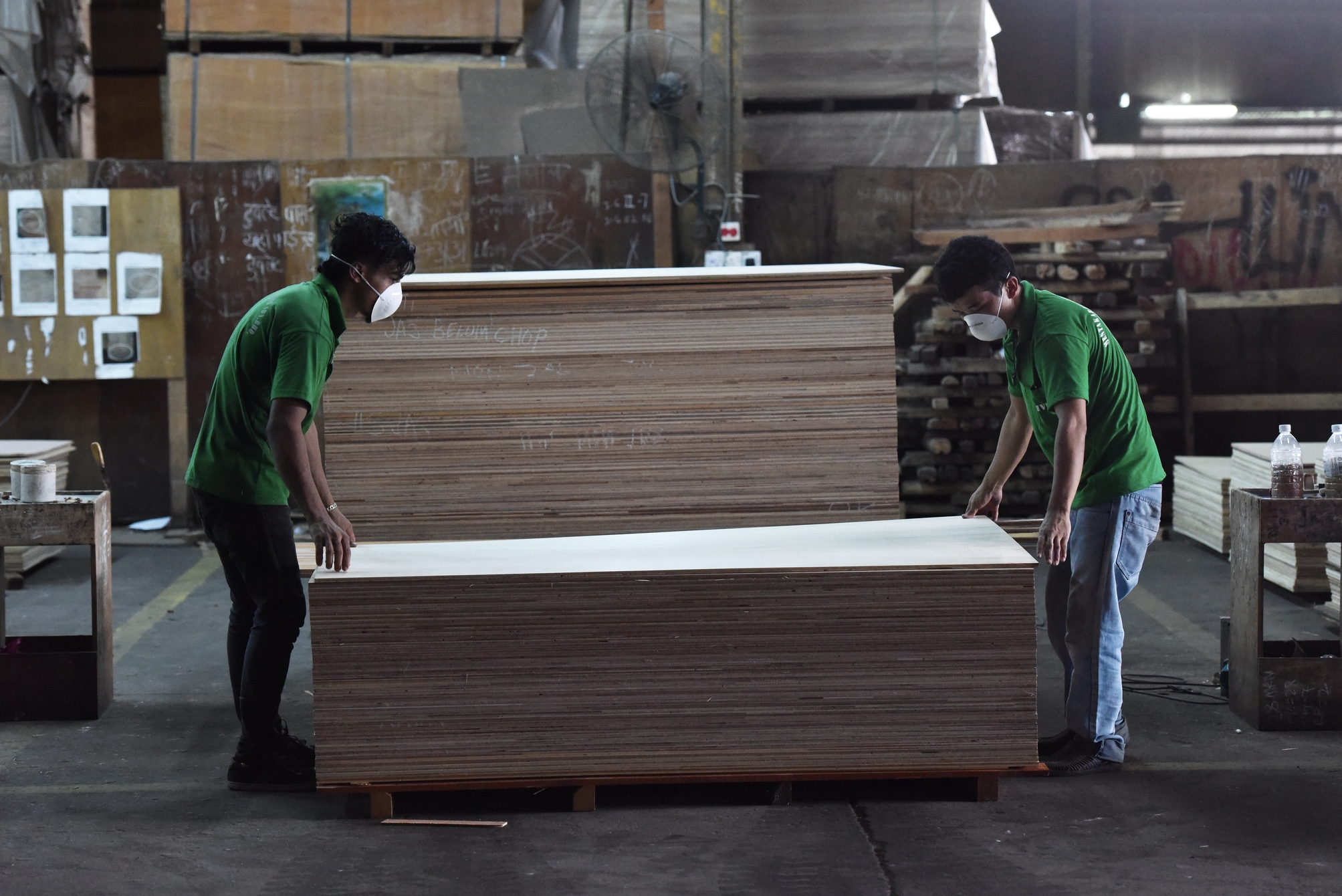
On the sector outlook, Moomoo Malaysia said development expenditure of between RM85 billion and RM90 billion could support construction and building materials companies securing contracts for hospitals, schools and transport projects.
Grid and water infrastructure, renewable energy and energy storage could also benefit from development spending, while semiconductor and AI-linked companies could continue to gain from data centre activity and the National AI Action Plan.
BUDI95, meanwhile, could support value and affordable consumer stocks by protecting baseline household purchasing power.
On the other side, carbon tax implementation could increase compliance costs for steel and high-carbon energy producers.
Discretionary consumer stocks could also face pressure if an expanded or adjusted SST framework affects middle-class spending power, while tobacco and alcohol stocks face uncertainty over potential excise duty increases.
Moomoo Malaysia said investors would also be watching the parliamentary timetable for Budget 2027, which spans 37 sitting days through Dec 8, with policy and committee debates continuing through October and November.
“This would create a six-week trading window for investors.”
October accounted for 11.05 per cent of total trading volume in 2025, which Moomoo Malaysia described as making it the most critical market window of the fourth quarter.