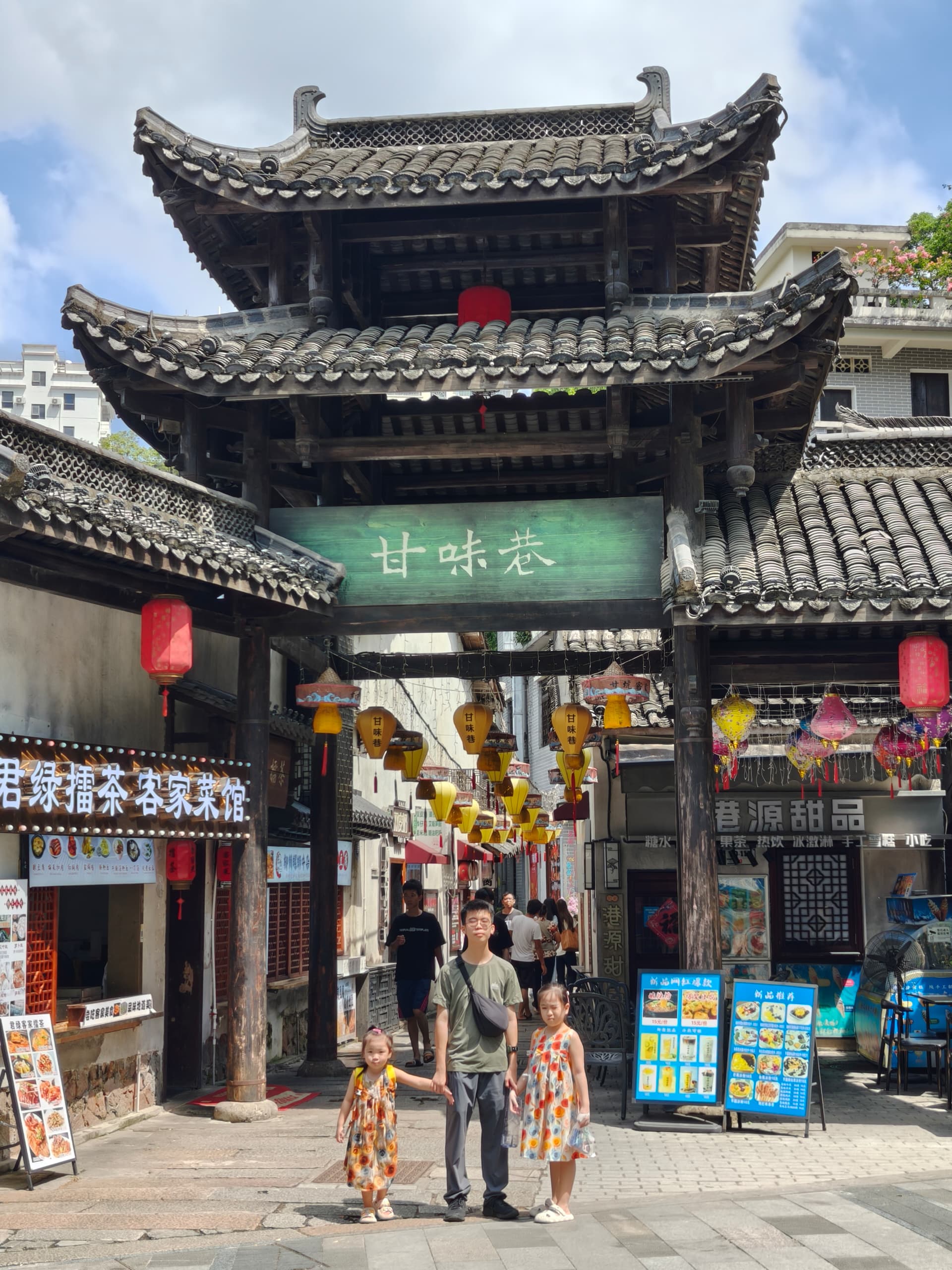
World Tourism Day is a reminder that travel is more than just sightseeing — it’s about immersing ourselves in cultures, history, and experiences that shape our perspective of the world. Every journey tells a story, whether it is found in the architecture of old towns, the flavours of local cuisines, or the resilience of communities that have withstood the test of time.
Shenzhen Travel Diary
In light of World Tourism Day, I would like to share my recent trip to Shenzhen, Guangdong, China. As a history enthusiast, China is an intriguing place for me, as the country not only cultivates and preserves its historical buildings, but also, with its long-standing history, there is so much to learn.
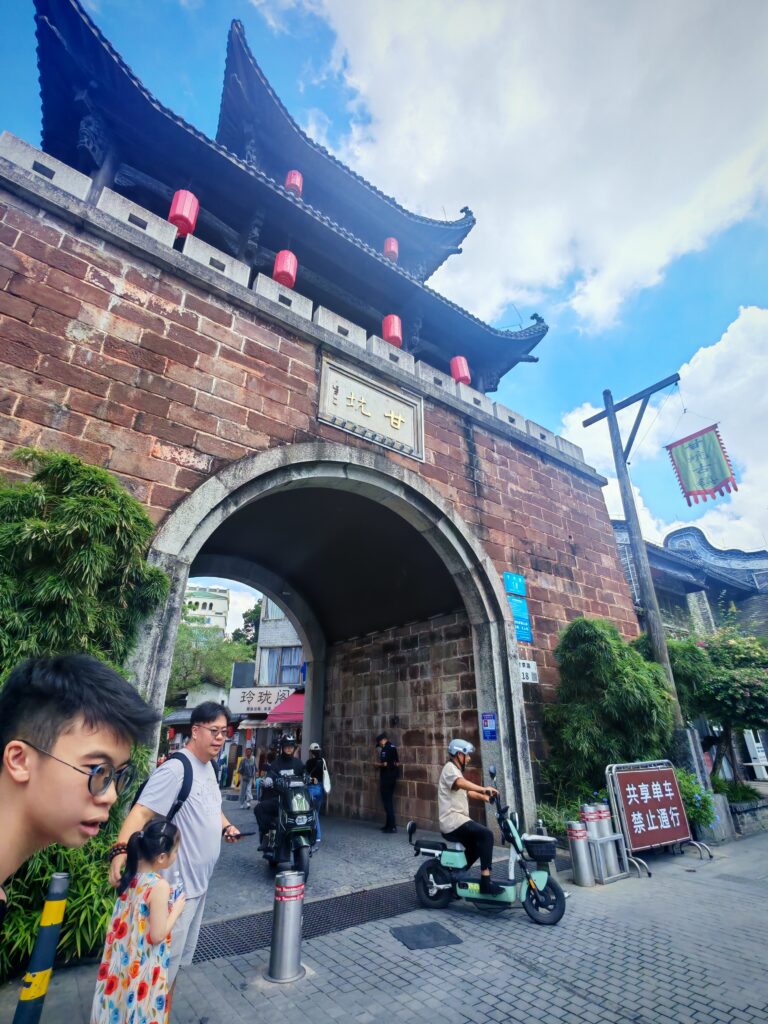
I find that when I am in China, my mind often wanders to the point when Malaysian Chinese assimilated with the locals and adopted the local culture we now have in our country. One thing I learned throughout my time amidst these communities is that they value their culture and traditions deeply, while also adopting life lessons and moral values.
In terms of food, there are differences influenced by the assimilation of cultures over time. I noticed that whenever I visited eateries, they did not provide forks, and some provided only a spoon — a small convenience for little children and those who do not know how to use chopsticks. Nonetheless, my six-year-old personally learned to use chopsticks during our time in China. I couldn’t say the same for my three-year-old, who struggles to self-feed.
Another observation is that eateries in China seldom offer a wide range of drinks, unlike in Malaysian kopitiams. One thing is for sure: I could hardly find a cup of coffee at their “kopitiams” unless I specifically looked for cafes. Most places serve soya bean drinks for breakfast, while lunch and dinner eateries often offer tea.
This notion piqued my interest. At which point in our ancestors’ migration did coffee become part of our lives? Could it have been introduced by the British, Europeans, or Australians who visited us? I asked local historian Chai Kit Siang, who explained that it began with Hainanese migrants in Malaysia and Singapore who worked for Europeans in the 19th century.
There, they noticed how the Europeans enjoyed coffee.
“They learned the coffee and tea break culture, as well as toasted breads. When they left their European employers, they set up their own food businesses. That’s when the Nanyang-style kopitiam appeared. The Hainanese also invented “kaya”, inspired by the fruit jams the Europeans ate. In the olden days, most kopitiams were owned by Hainanese,” said Chai.
Stepping into history
But enough of my curiosity. Let me share more about my Shenzhen trip. I chose to visit this small city this year because it was just a one-hour train ride from Guangzhou. There were no direct flights into Shenzhen via Malaysia Airlines, so we flew into Guangzhou. From Baiyun International Airport, we took the metro to Guangzhou Railway Station to get tickets to Shenzhen.
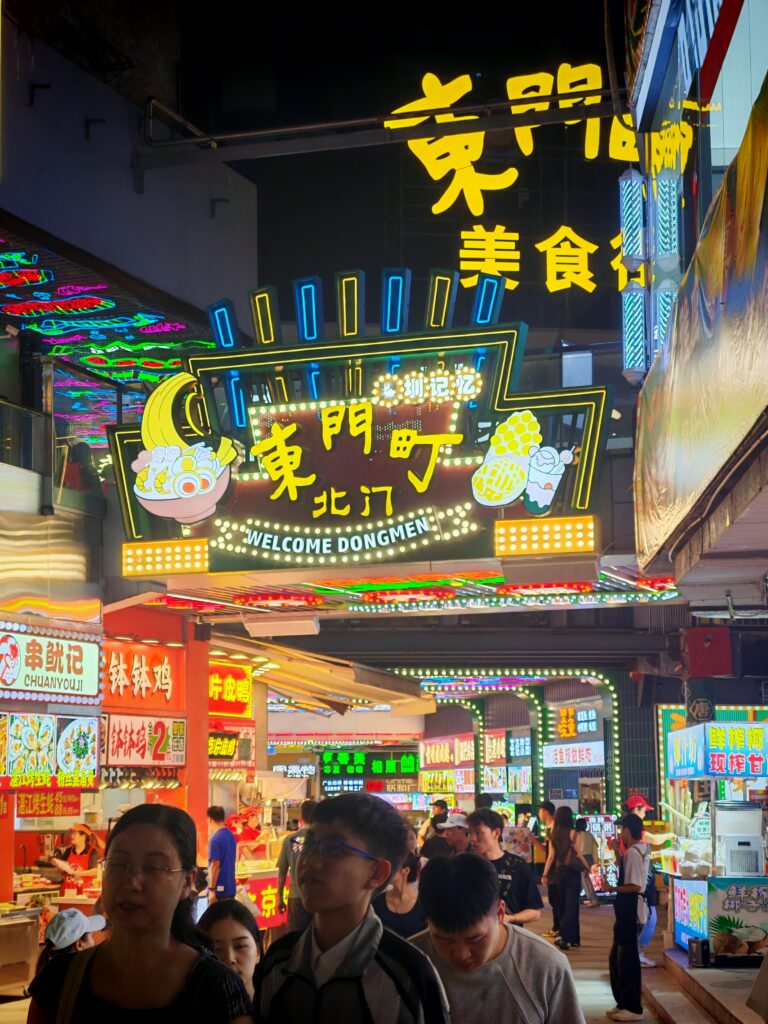
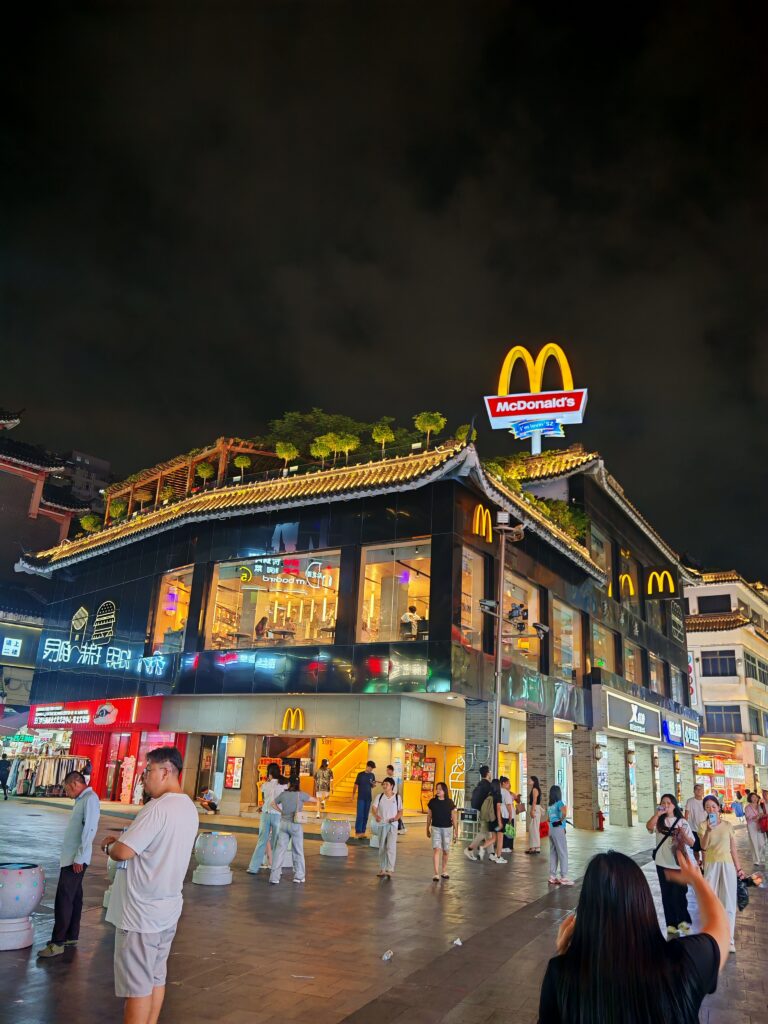
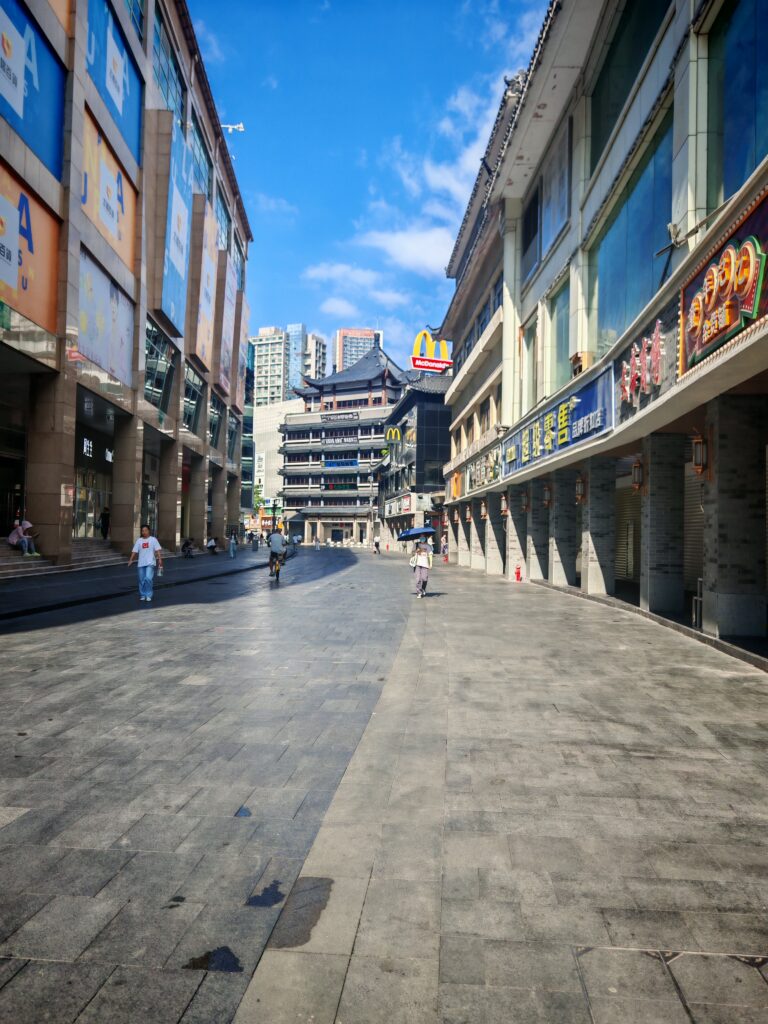
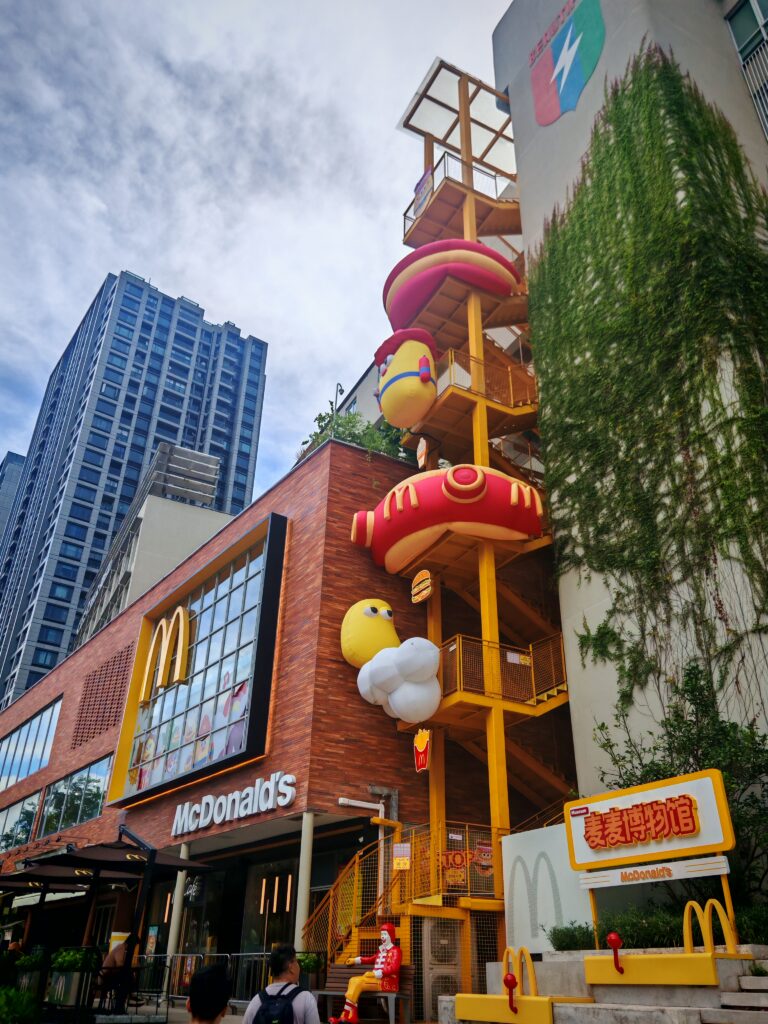
Upon leaving the train and entering Shenzhen’s metro, we immediately rode to our hotel’s vicinity. To our surprise, the city was a mix of metropolis and heritage. Even the McDonald’s on Dongmen Pedestrian Street was a living archive of Chinese heritage architecture. The McDonald’s there was also the first of the franchise to open in China in 1990. Dongmen itself is an ancient area known as “Laojie” or old street, serving as an economic hub for over 300 years.
Though old, its rich history and culture made me decide to book a hotel nearby. I wanted a close look to understand the architecture, vibe, and environment of Shenzhen’s oldest district. Today, the street is a vibrant commercial hub comprising modern shops, traditional buildings, and stores selling everything from clothing to souvenirs and food.
Children-friendly city
Shenzhen is definitely a child-friendly city, though strollers might be challenging. Nevertheless, the city offers many activities for children, including a children’s museum and various other museums. Given our short three-day stay, we only managed to visit the Guanlan Ocean World.
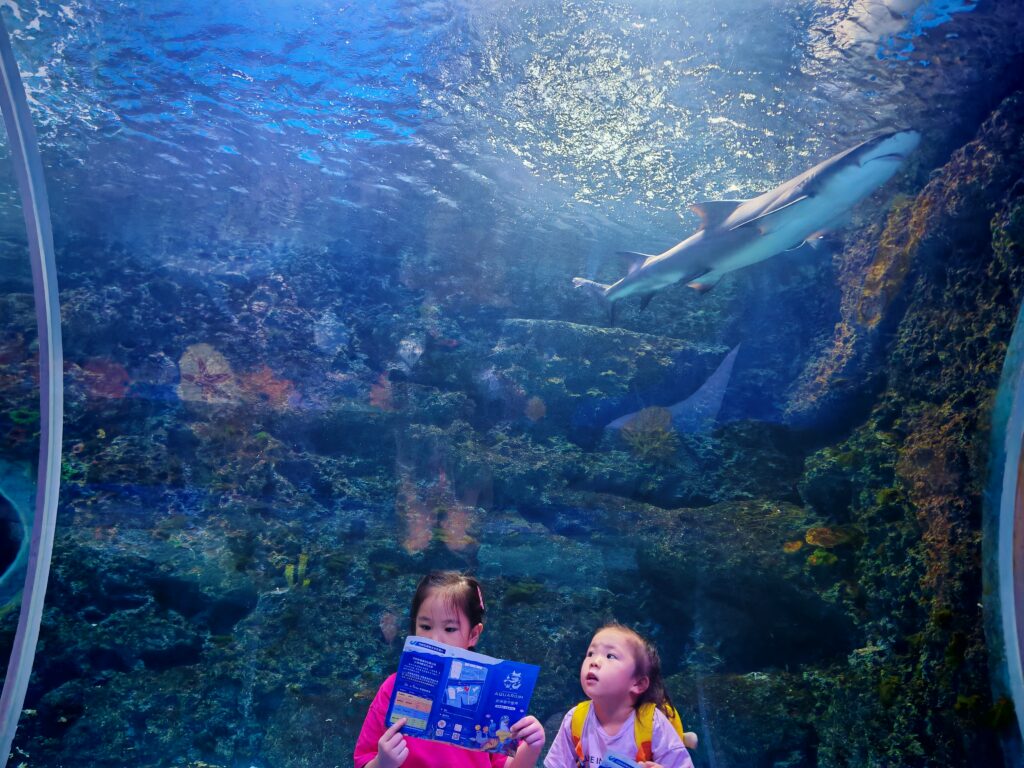
The metro ride to the aquarium lasted 40 minutes. Upon entering, we were greeted by sharks in a huge tank. The kids were fascinated. The aquariums, though small, were beautifully decorated with colourful fish and sea anemones. There was also an aquarium tunnel where we could see sharks, stingrays, and tiny fishes.
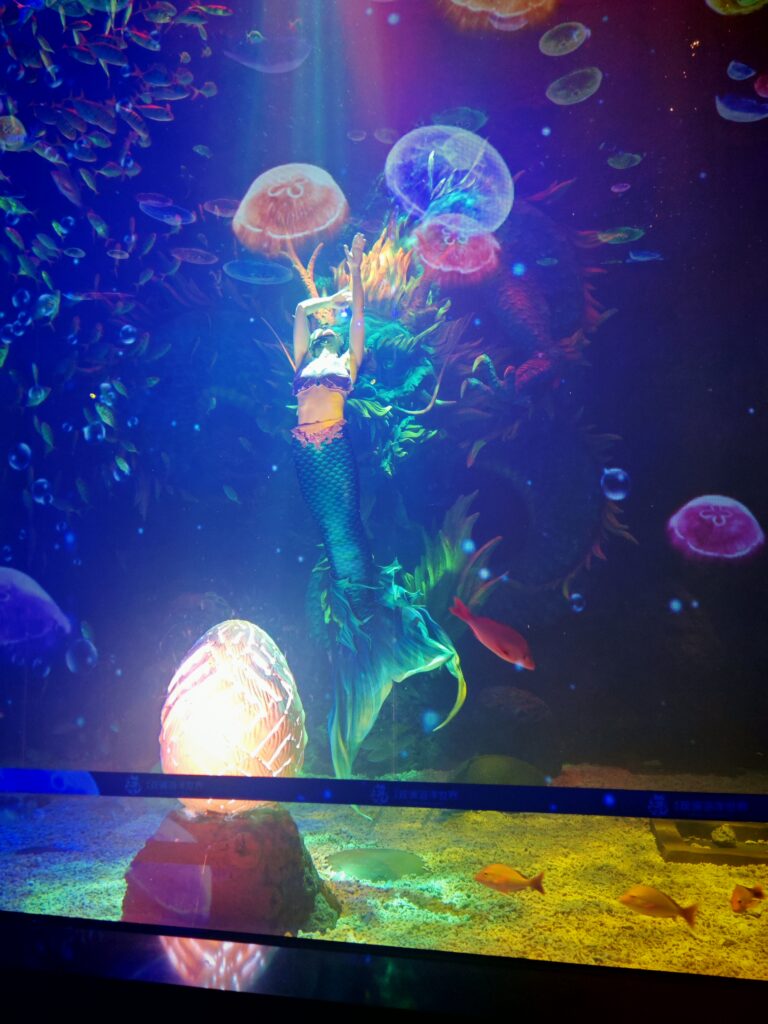
Guanlan Ocean World offers three performances twice daily: a mermaid show, a sea lion show, and a clown show. Among them, the mermaid show captivated the audience the most. The light show was amazing, with live sprinkling of water and bubbles enhancing the viewing. The performers danced with fluidity and grace.
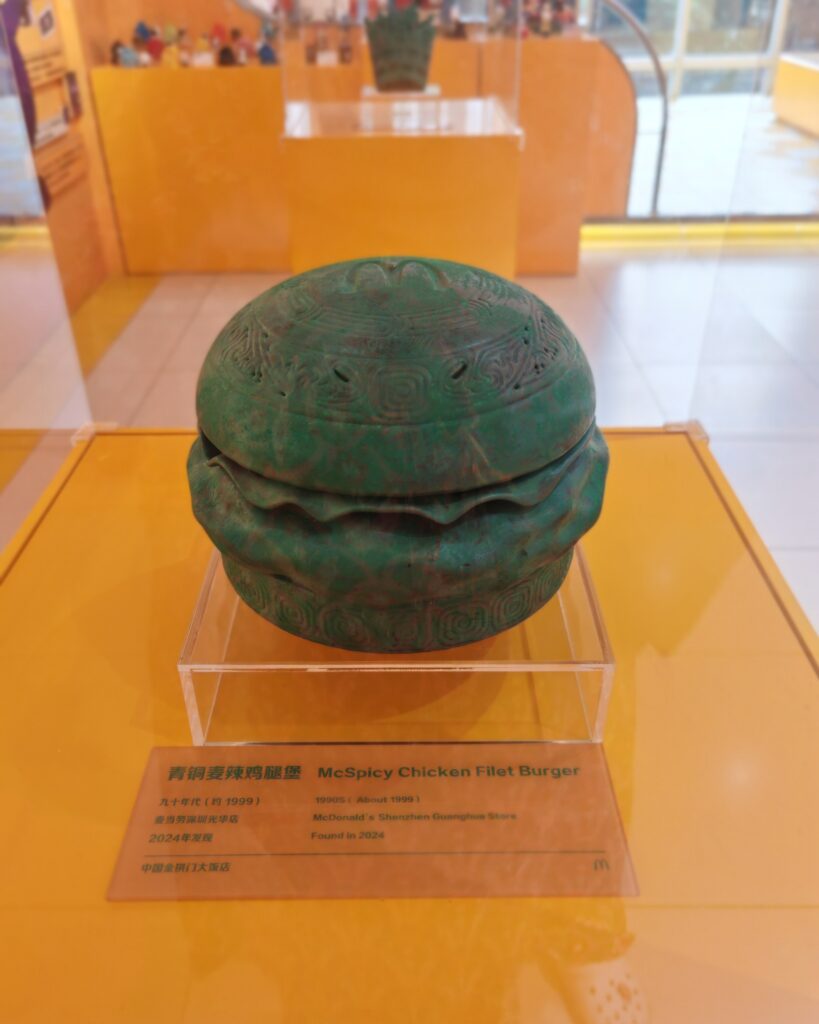
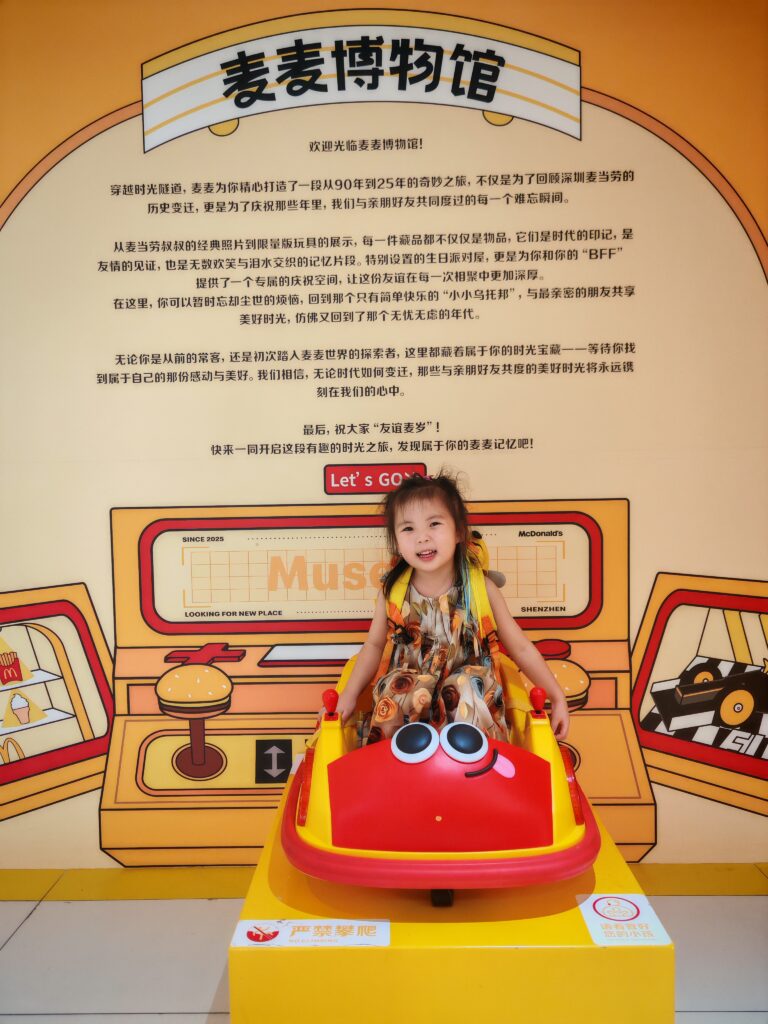
Another child-friendly activity was the McDonald’s Museum in the Futian district. The museum commemorates the history of McDonald’s in the region, featuring retro merchandise, vintage toys, interactive displays, and a replica of the first McDonald’s in mainland China. There was also a McDonald’s-themed photo booth and a replica of the infamous “Millennium burger” from Iceland, famously known for never rotting.
Electronic wholesale malls
Another fascinating sight was the rows of electronic wholesale malls in Huaqiangbei, a sub-district in Futian. They resembled shopping malls, but inside were rows of shops selling electronic parts. One mall sold various electronic appliances and devices cheaply, but mostly without brands.
Many foreign businessmen visit to source electronics. There was constant haggling, and each store offered reasonable prices. As China is a technology hub, we saw advanced gadgets I had never encountered before. The trip taught me that haggling is an important ritual before making a purchase!
Ancient towns
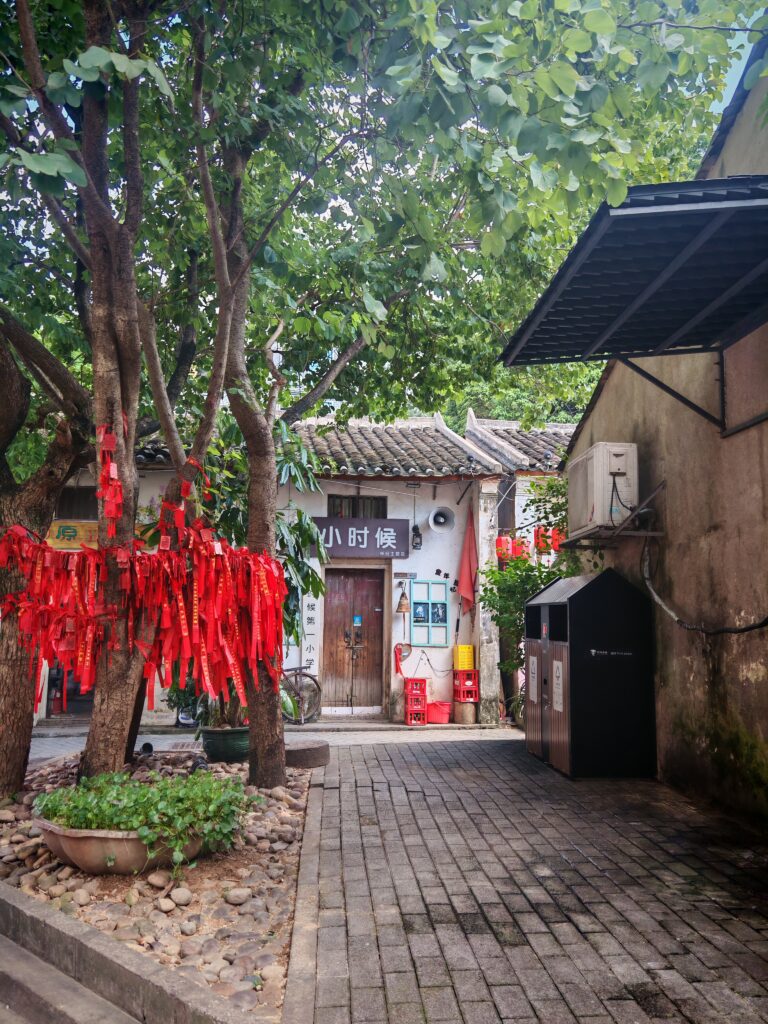
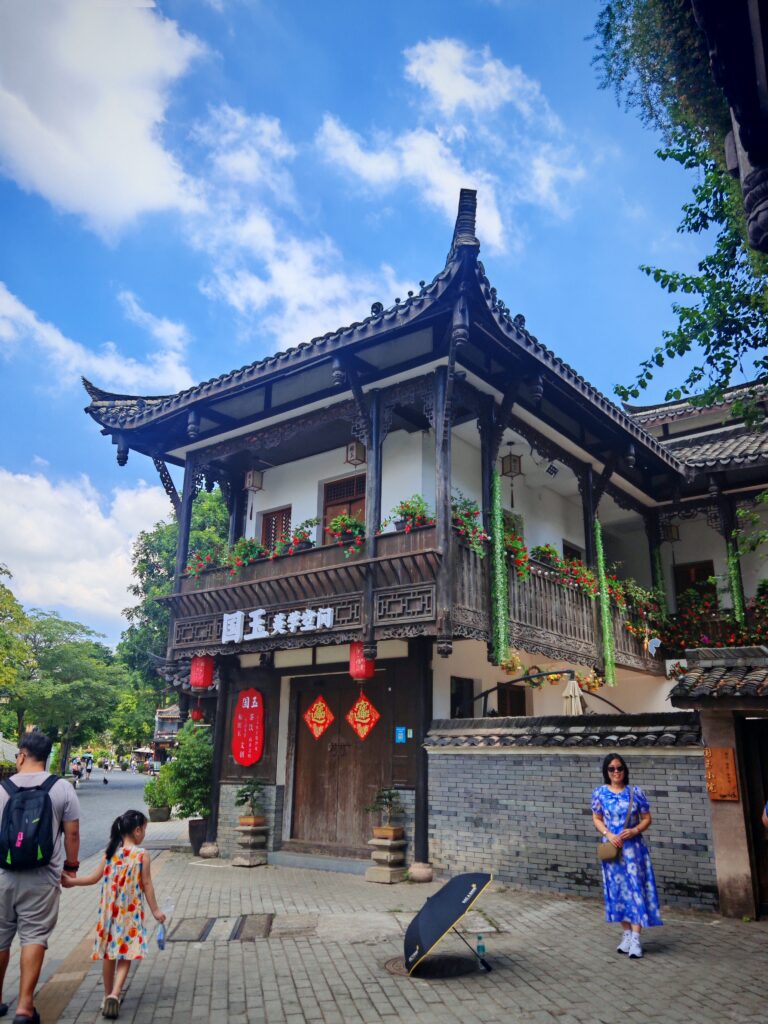
Prior to the trip, I learned that every district in Shenzhen has an ancient town. It’s fascinating how China preserves these old towns, conserving architecture while turning them into tourist spots filled with knowledge. It was eye-opening to see how people lived in the past.
These ancient towns often offer local delicacies. For example, at Gankeng Hakka Village, traditional “lui cha” was served. Although I did not try it, it resembled the one I’ve seen in Kuching.
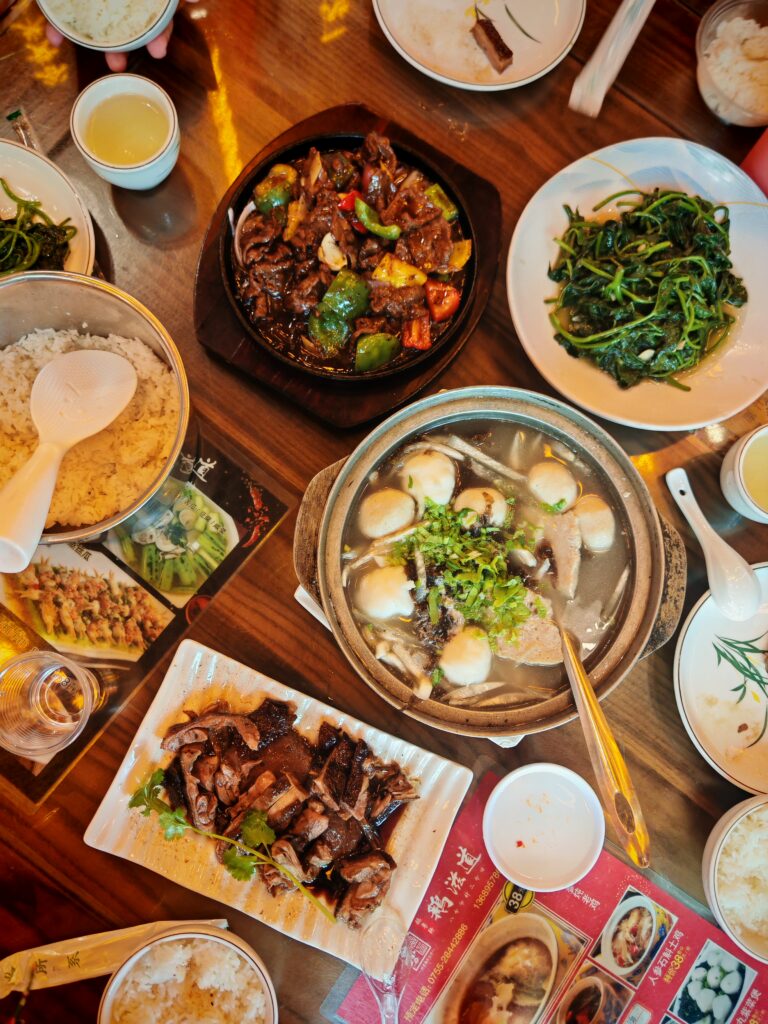
We also visited a Hakka cuisine restaurant, sampling stir-fried spinach, seaweed soup, roasted geese, and black pepper chicken. The flavours felt very much like home — the most “Malaysian” I felt throughout my time in China. This experience highlighted the cultural roots shared between mainland Hakka and Malaysian Hakka communities.
The village itself was quaint and quiet. The Hakka dialect sounded different but bore some resemblance to ours. I loved the old architecture, some of which incorporated modern tweaks.

The trinkets sold were simple, and nature was well preserved with rocks, trees, and ponds — a refreshing contrast to the city’s concrete jungle. Cobblestone paths and staircases added to the village’s charm, a testament to time bridging past and present.
Overall, this trip was a great experience abroad. It taught me to reflect on what’s in front of me, which is what World Tourism Day is about — raising awareness of how tourism contributes to social, cultural, and economic growth. China offers lessons on growing economically while preserving history.
Right after I left Shenzhen, a heavy storm hit the city as Typhoon Ragasa approached Hong Kong and the Guangdong coast. After leaving Guangzhou, the city faced strong winds and empty supermarket shelves. All this happened within three days, and though I had just returned, I was still shocked to realise I had escaped the powerful tropical cyclone.