Malaysia has eliminated human malaria, but a different type of malaria is still affecting thousands of people. This article explores why zoonotic malaria remains a challenge, and what needs to be done to tackle it more effectively.
Malaysia’s zoonotic malaria battle
As the world marks World Malaria Day today, Malaysia finds itself in a paradoxical position – celebrated for eliminating human-to-human malaria transmission since 2018, yet still grappling with a quieter, more complex threat.
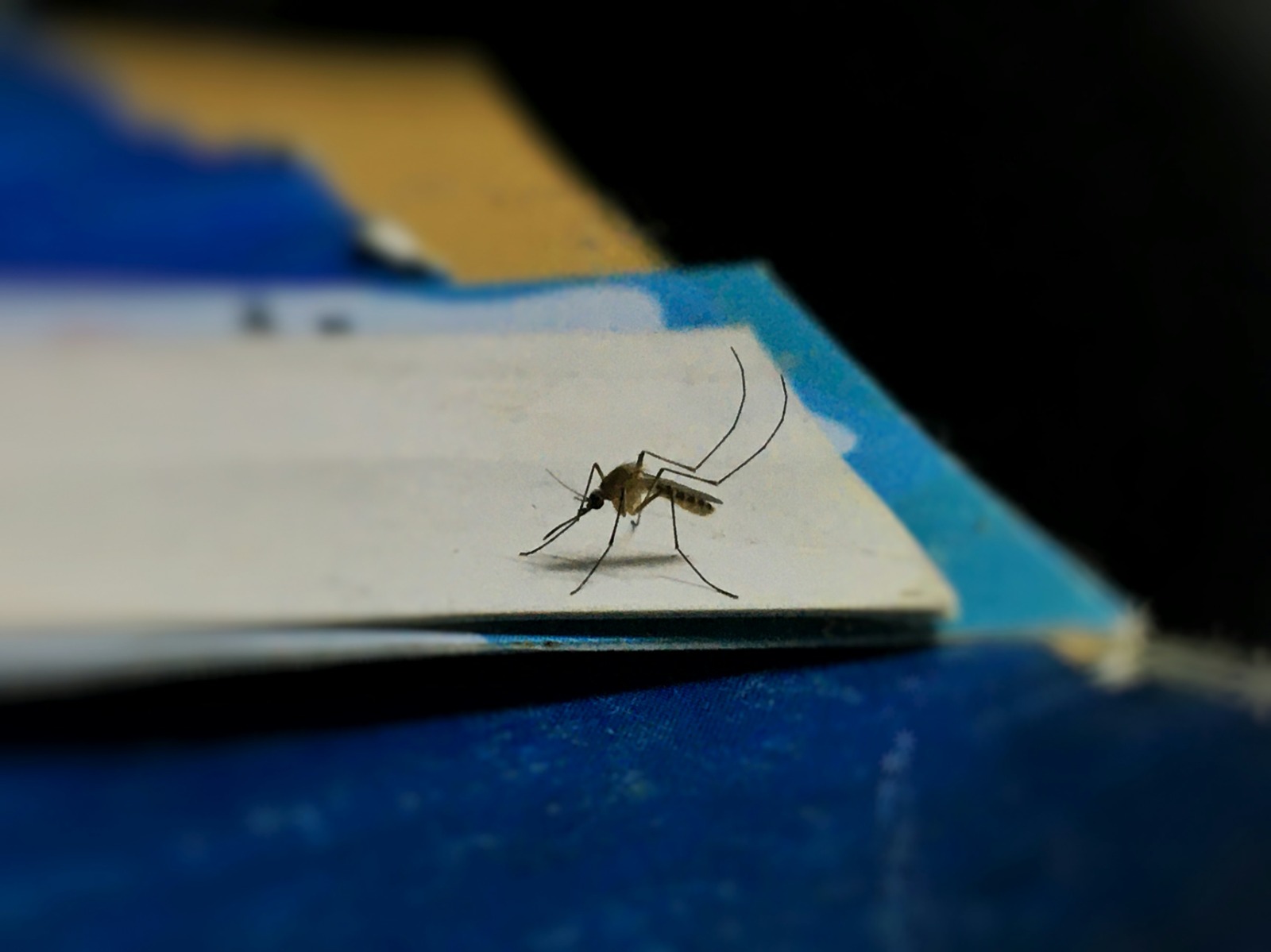
Zoonotic malaria, driven primarily by the parasite Plasmodium knowlesi, continues to affect thousands each year, particularly in Sabah and Sarawak. Unlike conventional malaria, this form is transmitted from macaques to humans via mosquitoes, placing it beyond the reach of traditional elimination strategies that focus solely on human transmission.
This evolving challenge underscores a broader reality: malaria is no longer just a medical issue, but one deeply intertwined with environmental change, wildlife and human activity. As Malaysia edges closer to being declared malaria-free, zoonotic malaria remains the final hurdle – one that demands a more holistic, cross-sector response.
In this context, insights from Dr Sarthak Das, Chief Executive Officer of the Asia Pacific Leaders Malaria Alliance (APLMA), shed light on why this disease persists and what it will take to confront it with the urgency it deserves.
Q: Malaysia is often seen as close to eliminating malaria. How accurate is that picture when zoonotic malaria is considered?

A: When we consider human malaria, which is malaria that is transmitted between humans by mosquitoes, Malaysia has eliminated local transmission of human malaria since 2018. However, transmission of Plasmodium knowlesi persists, which is a form of zoonotic malaria transmitted from macaques to humans by mosquitoes. In fact, the world’s first naturally acquired human case of zoonotic malaria was reported in Pahang in 1965, and while numbers have remained fairly low, we have seen an uptick in cases since 2012. Today, available data shows that zoonotic malaria continues to affect 2,000-3,000 people in Malaysia annually, with most of these cases in Sabah and Sarawak.
Does zoonotic malaria receive the same level of policy attention as human-to-human malaria – why or why not? And how do current elimination frameworks account for zoonotic diseases – or do they fall short?
Malaysia has a robust surveillance, treatment and health system in place that has succeeded in eliminating human malaria transmission. But this framework cannot take into account malaria infections in monkeys, nor does it affect transmission from monkeys to mosquitoes and between monkeys. Zoonotic malaria is more complex, as it involves not just humans, but also the animal reservoir – the macaques – the mosquito that transmits the disease, as well as environmental factors such as deforestation and changes in land use that create habitats where humans and macaques interact.
The focus should now be on how zoonotic malaria can be better addressed through a policy approach that fully considers the interconnectedness between human, animal and the environment. Encouragingly, Malaysia is leading on this front by adopting a multisectoral One Health approach in addressing zoonotic malaria.
Malaysia is also collaborating with Indonesia to establish joint action for strengthened cross-border collaboration in addressing the shared issue of zoonotic malaria, especially along the Kalimantan-Sabah-Sarawak border. In this context, senior officials from both countries’ Ministries of Health have convened technical workshops and dialogues to better align surveillance, response and information-sharing strategies. In that sense, zoonotic malaria is less of a weakness in current frameworks or policies, but rather an emerging issue that requires a collaborative approach that recognises that no country is dealing with zoonotic malaria in isolation.
Is there a risk that national success indicators overlook rural and high-risk communities?
National success indicators are designed to measure progress at scale and follow internationally recognised guidelines set by the World Health Organization (WHO). At present, there are no international guidelines that clearly define what success indicators for zoonotic malaria should look like. However, we expect the WHO to issue guidelines before the end of this year. In reality, zoonotic malaria tends to emerge in very specific contexts, particularly in rural forested areas and among highly mobile populations who regularly move across forested border regions, making both case detection and prevention more challenging.
Diagnosis can also be challenging, as zoonotic malaria infections are not always easily identified through routine testing methods. Malaysia recognises these dynamics and is actively working towards more targeted, community-focused approaches to address zoonotic malaria in affected areas. While urban areas are not presently at risk of zoonotic malaria, it is worth noting that Malaysia continues to maintain a robust national case detection and response system to prevent any re-emergence of malaria transmitted between humans in the community. Zoonotic malaria currently stands as the final hurdle for Malaysia to be certified as “malaria-free” by WHO, and it will remain a clear priority until this goal is achieved.
In your opinion, what would it take for zoonotic malaria to receive the level of urgency it truly deserves?
There is increasing recognition that elevating urgency around zoonotic malaria requires viewing it through a lens that reflects its complexity and drivers. Unlike human malaria, effective responses against zoonotic malaria must recognise the interconnectedness between human activity, animal reservoirs, mosquito vectors and the environment in which transmission occurs. In that regard, the growing emphasis on a One Health approach is an important step forward. By bringing together health authorities, wildlife and forestry agencies, and environmental bodies, the One Health approach enables zoonotic malaria to be addressed in a more coordinated and holistic manner. At the same time, it is key to remember that malaria knows no borders. Neither Malaysia nor its neighbouring countries are dealing with this issue alone. For Borneo, both Malaysia and Indonesia have recognised that progress in one setting is closely and intricately linked to progress in another, and discussions on cross-border collaboration, information sharing and coordinated action are already underway.
What makes zoonotic malaria, particularly Plasmodium knowlesi, fundamentally different from other types of malaria?
First is diagnosis. The parasite that causes zoonotic malaria, P. knowlesi, shares a similar morphological appearance with other human malaria species when viewed under the microscope – which is an essential step in diagnosing malaria.
This means diagnosis requires more advanced laboratory testing, typically only available at central laboratories, which can significantly delay timely diagnosis and treatment. However, we are fortunate that treatment for human malaria is also effective against zoonotic malaria.
Second, typical malaria interventions are aimed at reducing transmission between humans and mosquitoes, which means they have no impact on transmission between macaques and mosquitoes.
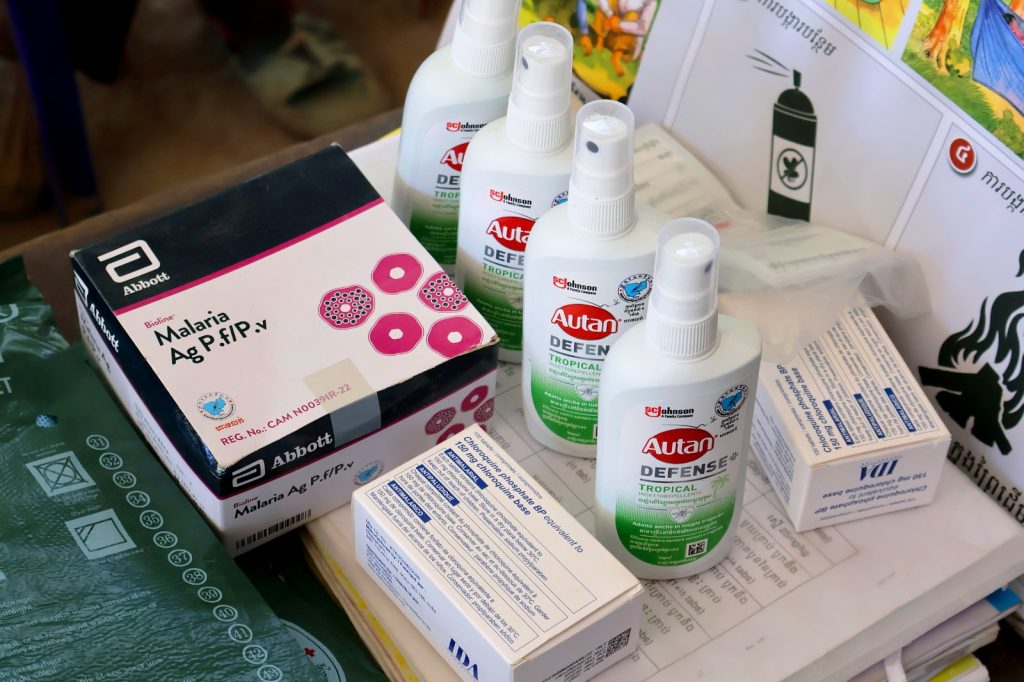
Third, reduction in human-macaque contact is key. For this, community education can be done now so that communities understand the risks and what protective measures they need to take. This is critical where land-use changes, farming and deforestation increase interactions between humans and macaques, which in turn increase the risk of infection. As existing tools like insecticide-treated mosquito nets were designed for indoor use, forest and plantation workers may not perceive these nets as practical for outdoor use. This means the challenge is not confined to reducing infections, but also to promoting behaviour change and awareness at community level, and ensuring interventions are tailored to community needs.
How common is malaria in the community today? Are there challenges in accessing treatment or diagnosis?
Zoonotic malaria in Sarawak primarily affects workers in the plantation and forestry sectors. Communities living in forest-fringe areas are also considered to be at high risk of zoonotic malaria.
Malaysia has a robust surveillance system in place that includes regular screening for forest-going and plantation workers, and high-risk communities living in known hotspots.
Every confirmed case triggers an immediate response from local health authorities, ensuring that patients receive care without delay, alongside timely case investigation to prevent further transmission. Collaboration between local health authorities and commercial plantations to enable worker screening is also in place.
However, the ability to rapidly and accurately confirm a zoonotic malaria case without access to advanced diagnostics remains a global challenge, not one unique to Malaysia. Point-of-care diagnostics for zoonotic malaria are much needed, and this is a topic of active research. Additional challenges also persist in the timely identification and treatment of cases among communities living in remote areas with limited access to healthcare, where delays can have significant health and socioeconomic consequences.
In your opinion, what gaps currently exist in Malaysia’s approach to zoonotic malaria, and how can they be addressed?
Malaysia has taken strong and decisive steps to address zoonotic malaria, including the establishment of a National Technical Zoonotic Malaria Committee within the Ministry of Health to drive intersectoral coordination. This reflects a clear recognition that zoonotic malaria requires collaboration beyond the health sector alone.
However, significant challenges remain.
Research on zoonotic malaria, particularly on vector control strategies suited to outdoor and forested settings, remains limited. Some affected communities live in remote areas with limited access to healthcare, which can delay diagnosis and treatment and increase the economic burden associated with hospitalisation.
Diagnostic challenges also persist, as confirmatory tests such as advanced diagnostic tools are not yet available at the point of care. Addressing these gaps requires aligning strong national commitment with sustained investment in strengthening capacity in those areas, alongside continued regional collaboration to drive coordinated and evidence-informed responses to zoonotic malaria.