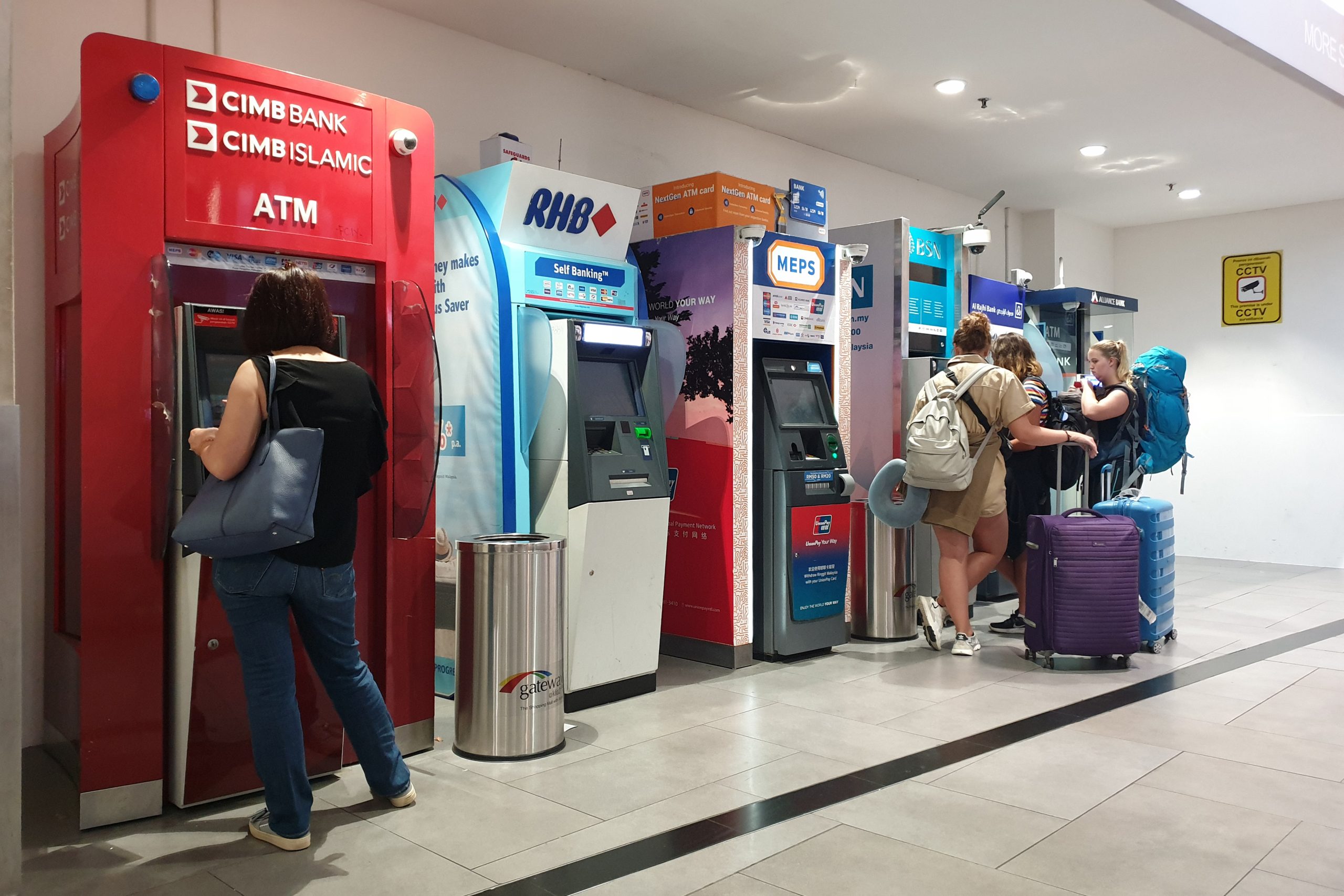
KUCHING: Malaysian banks are keeping a closer watch on SMEs and lower-income borrowers after asset quality weakened slightly in the first half of 2026 amid an uncertain economic environment.
The banking system’s gross impaired loan (GIL) ratio rose to 1.43 per cent at end-June from 1.37 per cent at end-December 2025.
RAM Ratings expects the ratio to stay at around 1.4 per cent by year-end despite risks from the Middle East conflict and ongoing US trade tensions.
RAM Ratings senior vice-president of financial institution ratings Wong Yin Ching said delinquencies had risen in some loan segments, although overall asset quality remained robust by historical standards.
“Most banks have not reported any material increase in requests for repayment assistance,” she said.
The 3 per cent unemployment rate should also help contain further deterioration, she added.
RAM said SMEs and lower-income borrowers warrant closer attention as they are more vulnerable should economic conditions weaken.
For now, banks continue to carry strong buffers against potential losses.
The annualised average credit cost ratio of 8 selected local banks stood at 18 basis points (bps) in the second quarter of 2026, slightly lower than 19 bps in the first quarter.
Their average GIL coverage ratio, including regulatory reserves, was 139 per cent, compared with 107 per cent at end-2019.
Loan growth also picked up, rising 5.5 per cent year-on-year in the first half from 4.8 per cent in 2025. Business loans led the expansion with growth of 6.1 per cent.
In contrast, household lending growth moderated to 5 per cent, while residential mortgage growth slowed further to 5.4 per cent from 5.9 per cent in 2025 and 6.9 per cent in 2024.
Profitability remained resilient despite pressure on lending margins.
Net interest margins narrowed 3 bps quarter-on-quarter to 2.01 per cent amid competition for deposits and loans, but stronger non-interest income and better cost efficiency lifted the average pre-tax return on assets to 1.39 per cent in the second quarter from 1.33 per cent in the first.
The banking system’s common equity tier-1 ratio declined to 13.9 per cent at end-June from 14.7 per cent a year earlier, reflecting stronger loan growth, lower securities valuations and higher dividend distributions.
RAM nevertheless said banks remained well capitalised, with ample capacity to absorb potential losses.
Its review covers Affin Bank Berhad, Alliance Bank Malaysia Berhad, AMMB Holdings Berhad, CIMB Group Holdings Berhad, Hong Leong Bank Berhad, Malayan Banking Berhad, Public Bank Berhad and RHB Bank Berhad.