Government has fiscal room to absorb RM11.2 billion fuel support
KUCHING: Malaysia can absorb an estimated RM11.2 billion fuel subsidy bill without derailing its 3.5 per cent fiscal deficit target, provided the assistance remains targeted.
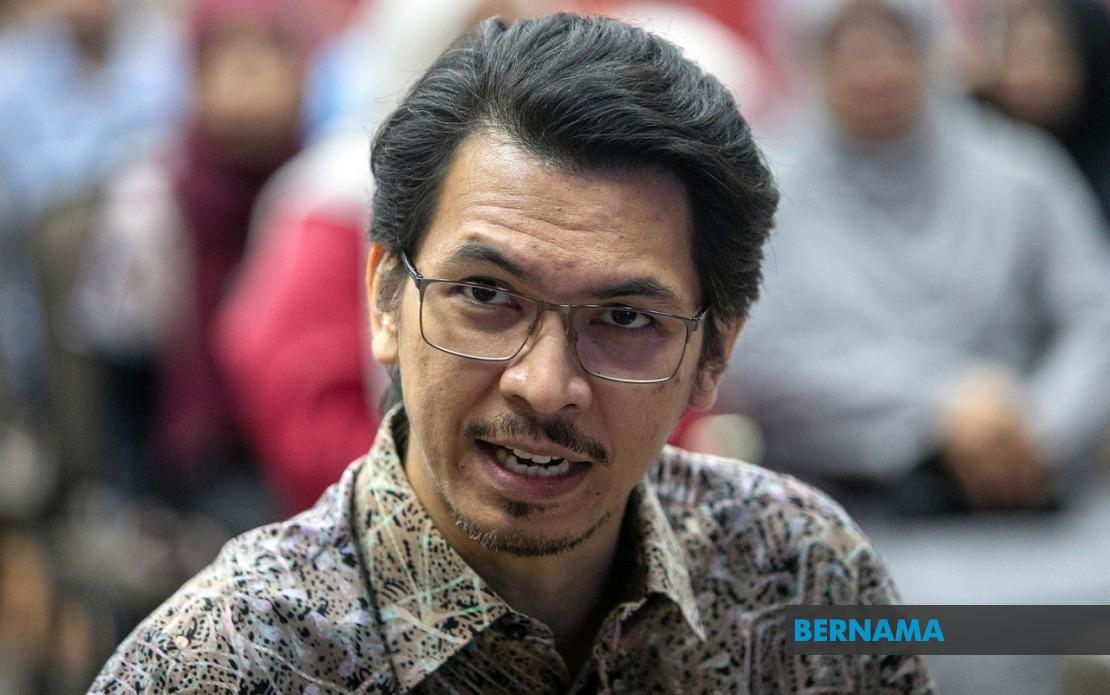
Universiti Teknologi MARA (UiTM) Sabah Associate Professor Dr Firdausi Suffian said the additional support was warranted as households and businesses continued to face higher energy costs, weaker purchasing power and rising living expenses.
Among six additional measures announced by the federal government are the restoration of BUDI95 eligibility to 300 litres and increased support under BUDI Diesel.
Firdausi said the measures would help cushion consumers while allowing the government to contain the fiscal cost through better targeting.
“Targeting the assistance would be central to achieving that balance as it could reduce leakages and contain the fiscal cost compared with broader subsidies,” he told Sarawak Tribune.
He estimated fuel subsidies at RM11.2 billion over eight months, with spending reaching about RM7.5 billion at its peak in April.
The political economist said annual fuel consumption associated with BUDI95 was about 17 billion to 18 billion litres, considerably higher than BUDI Diesel consumption.
Diesel, however, remained widely used in East Malaysia, making the RM2.15 price and support of up to 400 litres important in easing the burden on consumers.
The subsidy burden has grown considerably since BUDI95 was introduced in 2025, when crude oil stood at around US$65 per barrel.
Firdausi said the prolonged conflict in West Asia had since pushed crude oil prices above US$100 per barrel, increasing the government’s subsidy bill.
He described the government as “walking on a tightrope” between reducing the fiscal deficit and maintaining macroeconomic credibility while continuing to support households.
“The government also has to maintain public confidence and political legitimacy as elections approach,” he said.
For now, however, he said easing the burden on the public had to remain the priority.
Despite the additional expenditure, Firdausi believes the government’s target of reducing the fiscal deficit to 3.5 per cent remains achievable.
Besides better targeting, stronger enforcement against cross-border smuggling could help reduce subsidy leakages.
He noted that the government had also announced austerity measures involving spending by several ministries in April against the backdrop of the energy crisis.
Inflation pressure building
Firdausi said the case for maintaining fuel assistance went beyond household fuel bills, warning that higher energy costs could eventually feed into broader prices.
RON95 carries a weight of around 5 per cent in the Consumer Price Index (CPI), meaning changes in fuel costs could have a wider impact on inflation.
According to figures he cited, CPI inflation rose from 1.57 per cent year-on-year in January to 2.01 per cent in May before easing slightly to 1.93 per cent in June.
“Subsidies and other government assistance have helped buffer the increase as inflation crept higher following the energy crisis,” he said.
“The economy has also yet to completely emerge from the post-COVID period, with households facing higher living costs, diminished purchasing power and slower wage growth.”
A bigger warning, however, is emerging from producer prices.
Firdausi cited Producer Price Index (PPI) inflation moving from negative 3.45 per cent year-on-year in February to 1.10 per cent in March, 5.38 per cent in April, 7.77 per cent in May and 9.22 per cent in June.
He described the trend as cost-push inflation “in waiting”, with producers yet to fully pass higher costs on to consumers.
Businesses face margin squeeze
Firdausi said the combination of an energy crisis and disruptions to global supply chains would eventually affect businesses and industries across the economy.
Malaysia had so far remained relatively stable because heavy subsidies had cushioned consumers from much of the immediate impact, he said.
He contrasted Malaysia’s position with developments elsewhere in the region, citing a state of emergency in the Philippines, demonstrations in Indonesia and a 6.1 per cent increase in Singapore’s inflation for utilities and other fuels.
He described Malaysia’s position as an “illusion of stability backed by heavy subsidies”, with consumers yet to feel the full extent of underlying cost increases.
“The divergence between producer and consumer inflation is significant because businesses are still absorbing higher production costs rather than immediately passing them on.
“A rapid pass-through to consumers could push inflation higher and lead to demands for higher wages, something producers would seek to avoid,” he said.
Among the sectors exposed are food, agri-food, agriculture, fisheries, construction, agricultural inputs such as fertiliser, logistics and transportation, manufacturing and tourism.
“Most are facing a ‘margin squeeze’, particularly those dependent on imported food and agricultural inputs,” he said.
Malaysia’s reliance on imports in areas such as food and agricultural inputs meant rising producer prices were placing further pressure on businesses.
Budget 2027 revenue focus
The challenge of maintaining relief while reducing the deficit is also likely to shape the government’s approach to Budget 2027.
Of the measures Firdausi had previously proposed, he expects the government to retain the Time of Use tariff.
Temporarily relaxing excise duties and introducing a time-bound windfall profit tax on energy providers could still be useful, although he considers both unlikely to be adopted.
Instead, Firdausi expects greater emphasis on strengthening government revenue as spending on targeted assistance continues.
“These could include expanding the scope of the Sales and Service Tax and tightening tax enforcement,” he said.
He also expects stricter enforcement by the Royal Malaysian Customs Department, including digital tax stamps and enhanced border surveillance systems to minimise tax leakages.
Firdausi also pointed to the government’s change in its e-invoicing policy from RM1 million to RM3 million.
“At the same time, targeted social assistance is likely to increase, including Sumbangan Tunai Rahmah and Jualan Rahmah MADANI,” he said.
He also hoped the government would increase the minimum wage in response to the rising cost of living.
Sarawak relief still warranted
Firdausi said expanded federal support did not remove the case for state governments to provide additional relief where their fiscal capacity allowed.
Managing the effects of an energy crisis should not fall solely on the federal government, he said, although the ability of individual states to intervene depended on their financial position.
“Sarawak is a good example because its greater fiscal capacity placed it in a stronger position to cushion the impact,” he said.
He cited the state government’s 25 per cent discount on electricity bills for domestic users and a 50 per cent rental reduction for SMEs operating in government and statutory body premises, both running until the end of 2026.
Sarawak has also rolled out cash assistance ranging from RM75 to RM150 for eligible recipients under Sarawak Basic Needs Assistance (SKAS).
The assistance comes on top of Sumbangan Tunai Rahmah and Sumbangan Asas Rahmah, providing additional support for the B40 group.
Firdausi said the state’s existing measures should remain in place for as long as elevated energy prices continued to pressure households and businesses.
“These existing measures mitigating the energy crisis should be continued until energy prices become stable.”