KUALA LUMPUR: AI-driven threats are exposing the limits of fragmented cybersecurity operations across Asia Pacific.
Fortinet said a new study conducted by Forrester Consulting found that organisations in the region are struggling to keep pace as cybersecurity complexity and AI-driven threats strain their ability to respond effectively.
The study, commissioned by Fortinet, surveyed 585 APAC decision-makers and influencers of their organisations’ cybersecurity solutions. The survey began and was completed in March 2026.
It found that 70 per cent of organisations cited AI-driven threats as a top structural concern, while 64 per cent highlighted fragmented tools and architectures.
Another 63 per cent cited overwhelming alert volumes as a key challenge.
“Security operations are also under pressure, with 55 per cent of organisations saying alert volume makes it difficult to distinguish real threats, while 52 per cent still rely on manual workflows.
“Cybersecurity maturity remains constrained, with 68 per cent of organisations at an intermediate stage and only 16 per cent reaching advanced levels,” it said.
The findings suggest that complexity has moved beyond an operational issue and has become a core driver of cyber risk.
“This pressure is pushing organisations towards unified, platform-based security architectures.
“Only 35 per cent currently operate a unified platform, but this is expected to rise to 50 per cent over the next 12 to 24 months,” it added.
“The shift is being driven by the need to reduce tool sprawl, improve integration and manage growing hybrid complexity.”
According to the study, 58 per cent of organisations cited the need to reduce tool sprawl, 52 per cent pointed to improved integration, and 49 per cent highlighted the need to manage growing hybrid complexity.
“Even as organisations move towards platform-based security, threat detection and incident response remain immediate priorities,” it reiterated.
The study found that 40 per cent of organisations are focused on improving threat detection, while 39 per cent are prioritising incident response.
“Future priorities also reflect the same shift, with organisations focusing on Security Operations Centre automation, improved visibility and platform consolidation to enhance efficiency and scale operations. However, challenges remain,” it said.
The study found that 51 per cent of organisations cited migration cost and disruption as barriers, while 46 per cent remained uncertain about platform capabilities across domains.
“Despite these concerns, 90 per cent of organisations expect improvements in operational metrics through consolidation,” it added.
“More than 60 per cent anticipate gains of at least 10 per cent in areas such as detection and response times, analyst productivity and overall Security Operations Centre efficiency.”
Beyond platform consolidation, the study found that AI investment is rising as organisations see it as both a growing threat vector and a critical tool for defence.
“A total of 78 per cent of organisations plan to increase AI budgets, with more than half expecting double-digit growth.
“More than 60 per cent expect AI to improve detection accuracy, accelerate response and strengthen overall security posture,” it said.
“Organisations also see AI as a way to reduce complexity, with 58 per cent expecting consistent policy enforcement, 57 per cent expecting centralised control and 56 per cent expecting reduced manual workflows.”
However, the study said fragmented environments, limited automation, and a lack of unified data were hindering effective AI adoption.
It said many organisations were still building the foundational capabilities needed to operationalise AI at scale.
Commenting on this, Forrester Consulting project lead, Amelia Lau, said organisations across APAC were facing a dual challenge from rapidly evolving AI-driven threats and increasing internal complexity.
“While investment remains strong, many are still struggling to operationalise security effectively.
“Moving towards integrated, platform-based approaches will be critical to improving visibility, efficiency, and resilience,” she said.
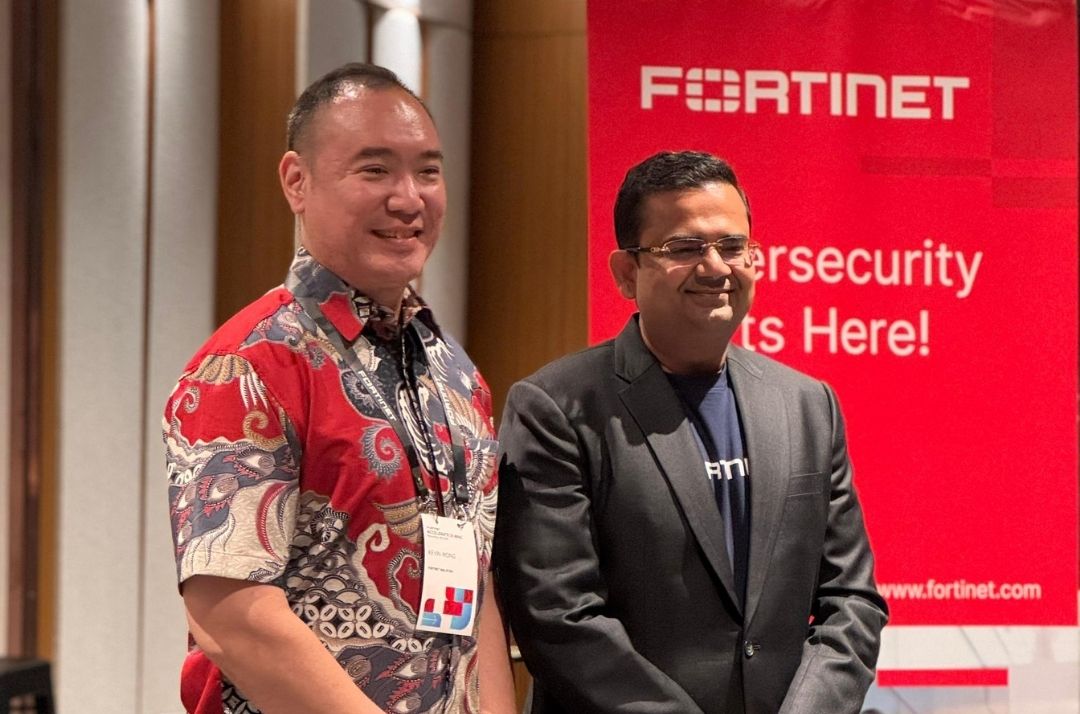
Fortinet Malaysia’s Country Manager, Kevin Wong, said customers were dealing with increasingly complex environments, where fragmented tools, limited visibility and growing alert volumes made it harder to detect and respond to threats effectively.
“At the same time, they are looking to leverage AI to improve speed and efficiency but often lack the integrated foundation to do so,” he said.
Fortinet APAC’s Vice-President of Marketing and Communications, Rashish Pandey, said organisations were placing significant expectations on AI to transform security operations.
“However, AI can only deliver meaningful outcomes when it is built on an integrated foundation.
“Without unified visibility and connected data across environments, AI risks amplifying complexity rather than reducing it.
“Integration is what enables AI to operate at scale and deliver real security impact,” he said.