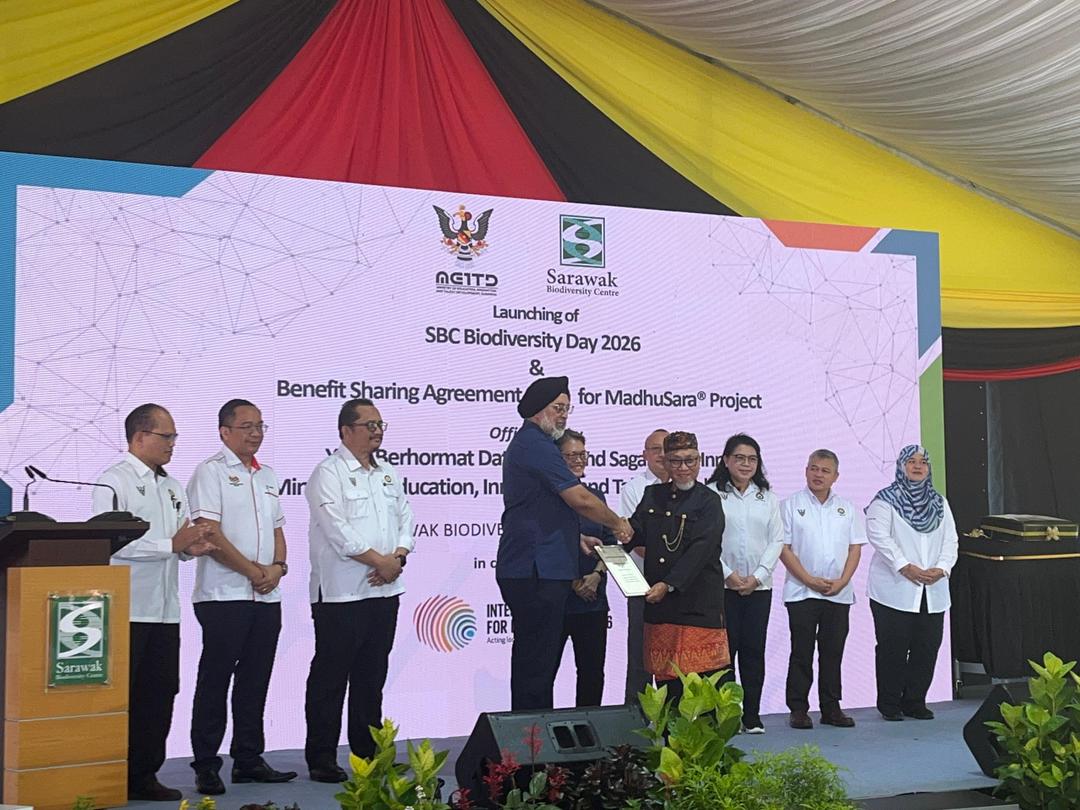
KUCHING: The implementation of the Sekiu biodiversity project has created vast economic opportunities for local communities to generate supplemental income, particularly empowering rural women.
Kampung Penibong community representative, Penghulu Jahari Masani shared that this financial upliftment is driven by supplying Sekiu oil to the Sarawak Biodiversity Centre (SBC) for research, development, and commercialisation.
He noted that the initiative has effectively transformed the livelihoods of those residing in rural areas.
“This project has opened up opportunities for our community to generate additional income, especially among women, by supplying Sekiu oil to SBC for research, development, and commercial purposes,” Jahari said in his community message in conjunction with Sarawak Biodiversity Day today (May 23).
Expressing deep appreciation to SBC for hosting the renewed Benefit Sharing Agreement (BSA) presentation, Jahari noted that Kampung Jemoreng Hulu and Kampung Jemoreng Hilir in Matu have been actively involved in the programme since 2010, followed by Kampung Penibong in 2022.
Since the signing of the first official agreement in 2023, participating villagers have successfully utilised the direct revenue generated from Sekiu oil sales to fund critical household and community needs.
Jahari said that the earnings have been used for various essential purposes, including securing future financial savings, repairing boats used for sea fishing, and supporting daily living expenses.
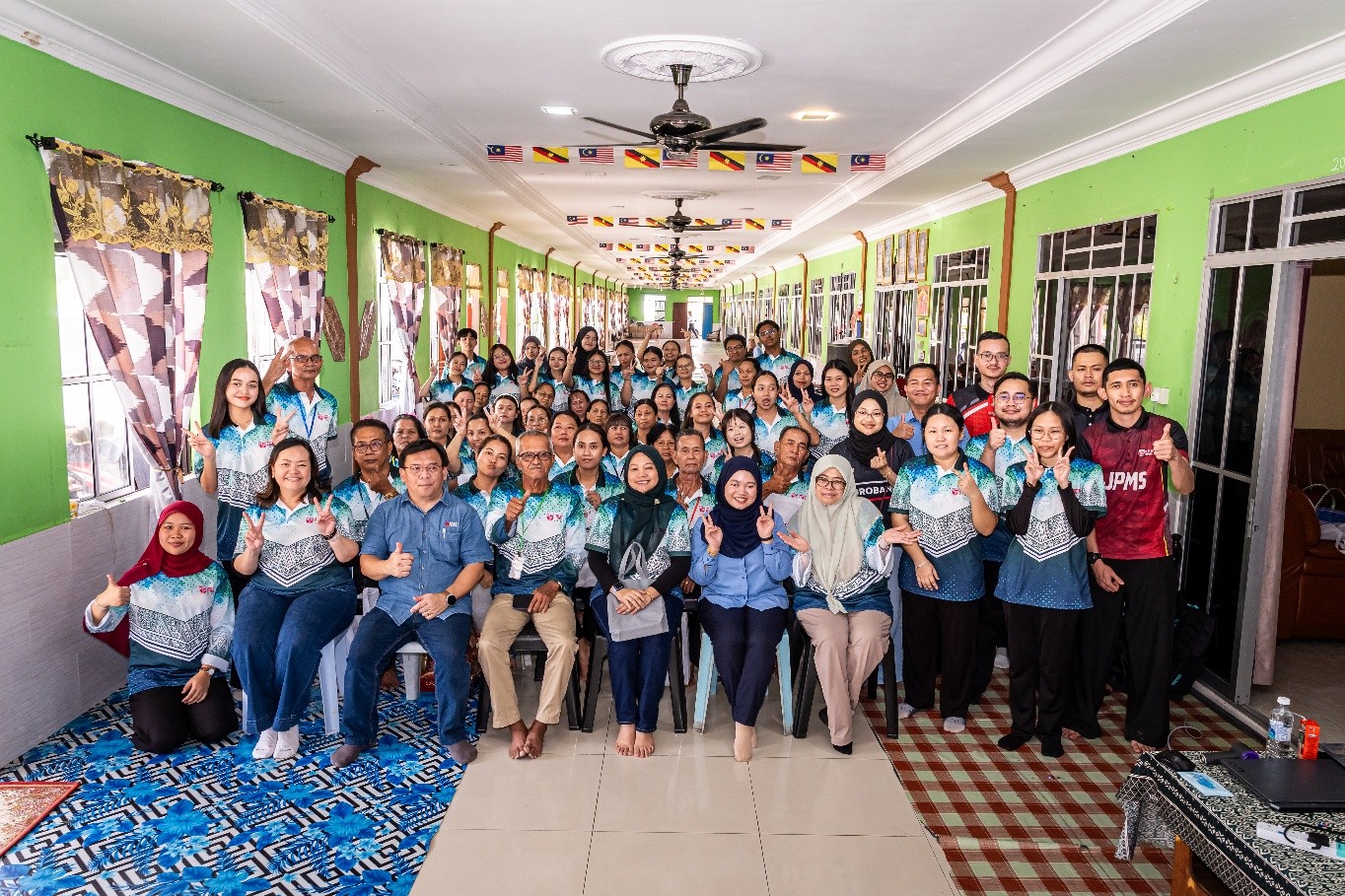
The socioeconomic growth was further accelerated through capacity-building programmes, with the communities participating in specialised digital and business workshops organised by SBC.
Conducted in collaboration with the Ministry of International Trade, Industry and Investment (MINTRED) and the Sarawak Digital Economy Corporation (SDEC) since 2021, Jahari said these workshops trained villagers in online, hybrid and physical marketing for Sekiu oil.
“We are very honoured to be part of this initiative which does not only benefit our community but carries the potential to produce local products that can be marketed at both national and international levels,” Jahari added.
Looking ahead to the coming months, he noted that this year marks the fruiting season for the Sekiu trees, prompting communities to project an exceptionally bountiful harvest of Sekiu oil.
Jahari urged other village leaders across Sarawak to collaborate closely with SBC and unearth potential native plants that could be successfully commercialised for the mutual benefit of all rural communities.
Meanwhile, Pemanca Mesaleh @ Che Jeni Shahdan of Kampung Jemoreng Hilir, Matu, reflects on the commercial evolution of the resource, noting that while Sekiu oil had existed traditionally for generations, it completely lacked a proper, structured market pathway in the past.
He said that the intervention of SBC established a formal, reliable market, which has effectively incentivised the villagers of Kampung Jemoreng to actively engage as micro-entrepreneurs.
“Moving forward, I see a very bright future for Sekiu oil with greater opportunities to secure higher returns, given its strengthening market presence and price value,” he told the press.
He pointed out that the product’s versatility has grown immensely, with Sekiu oil now being innovatively processed into high-value downstream goods, including hair oil, skin lotions, and cake flavorings.
According to Mesaleh, the established supply chain involves local villagers extracting the oil within their respective villages before aggregating and selling the bulk yields directly to SBC.
He added that demand has also expanded beyond the state agency, with local entrepreneurs successfully attracting independent buyers from Peninsular Malaysia, Brunei and across the whole of Sarawak.
Mesaleh credited the strategic collaboration with SBC for effectively elevating the rural grassroots economy, concluding that Sekiu oil has achieved widespread commercial recognition and commands highly competitive market prices today.