KUCHING: Artificial intelligence (AI) is set to change how Malaysia’s creative industry works, from production processes to the size and structure of creative teams.
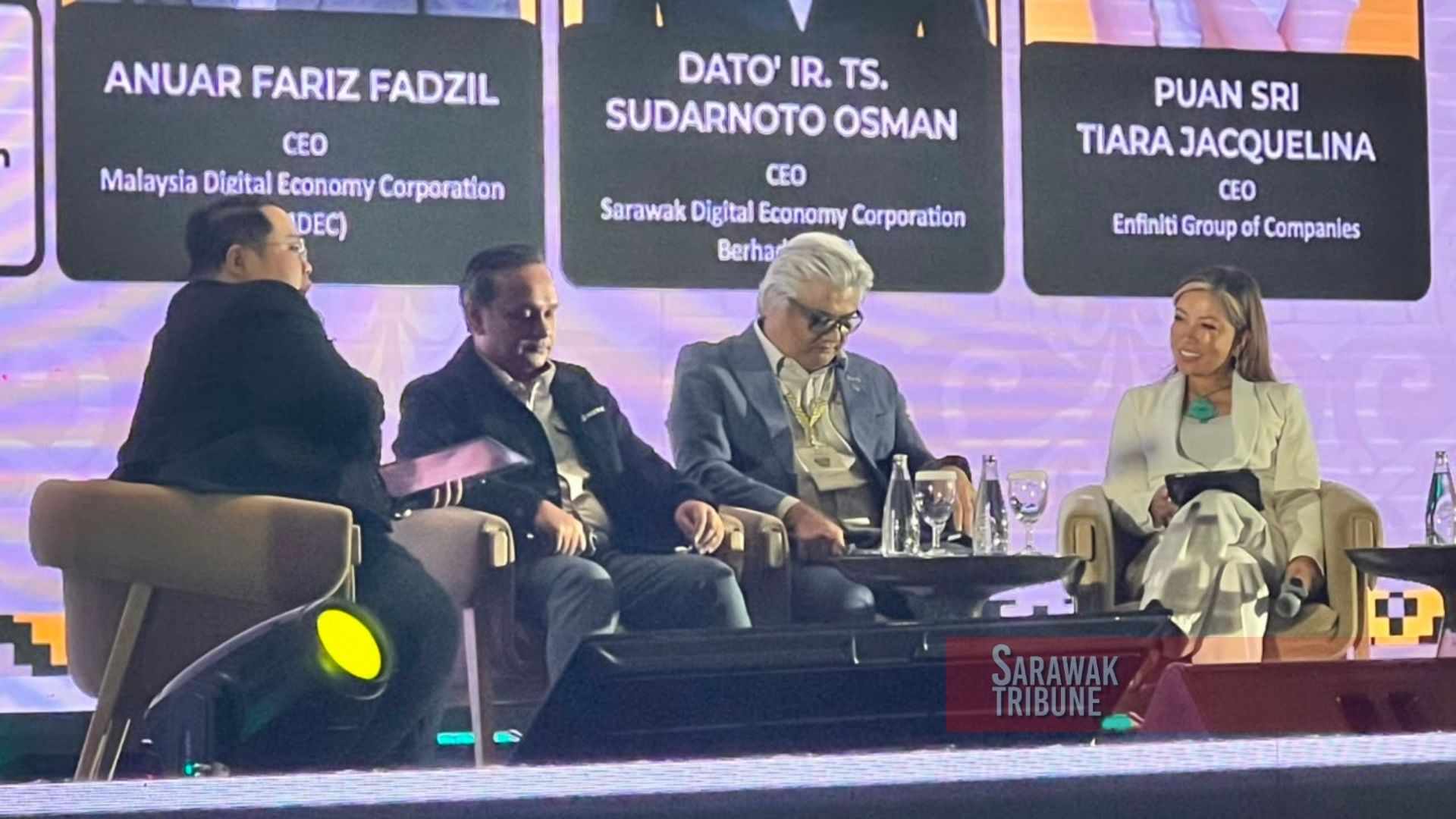
Malaysia Digital Economy Corporation’s (MDEC) Chief Executive Officer (CEO), Anuar Fariz Fadzil, said AI should be treated as a productivity tool rather than a threat to employment.
“Your job will be lost to the person who knows how to use AI,” he said during the ‘Building a Sustainable Ecosystem for the Digital Content Revolution’ CEO panel at the Borneo Animation & Games Festival (BAGFest) at Pullman here today.
He cited PlayStation Studios as an example, saying AI was being used for repetitive tasks such as testing, allowing human workers to focus on other aspects of production.
The technology could also enable smaller teams to produce increasingly sophisticated animation and games, while reducing the time spent on repetitive work.
Anuar said the cost of accessing AI tools, however, remained a concern, particularly for smaller businesses.
MDEC was looking at ways to lower the barrier to entry by providing businesses and individuals with access to AI resources, including tokens that could be used with AI tools.
He described AI tokens as an emerging expenditure for businesses involved in production, making access to the technology an important consideration for the industry.
Sarawak Digital Economy Corporation’s (SDEC) CEO, Datuk Sudarnoto Osman, said creative industries could benefit from AI because technology still lacked human emotion.
While AI could assist with production and reduce costs, human input remained necessary for storytelling.
He said studios were likely to become smaller as technology allowed them to handle more work with fewer people, while AI could take over functions such as finance and other repetitive tasks.
This would allow creative teams to concentrate more of their resources on creative work.
However, Sudarnoto pointed to the limitations of AI generated content, particularly the similarity of some storylines.
He said this showed why original storytelling remained important, including stories from Sarawak and Borneo.
“If you look at the mythology, I mean the things in Sarawak and Borneo, right? They need to be told. Somebody has to do it,” he added.
Enfiniti Group’s CEO, Puan Sri Tiara Jacquelina, said she was more excited than frightened by AI, but warned that widespread access to the same technology could make creative works increasingly similar.
With creators using the same tools, she said originality, taste, culture, human experience and a distinctive point of view would become more valuable.
“AI can democratise the production, but it cannot manufacture your cultural identity,” she said.
Tiara noted this presented an opportunity for Malaysia and Sarawak to draw on their cultural identities when creating content for international audiences.
The panel was moderated by Norman Goh of Nikkei Inc and formed part of BAGFest’s programme on the development of Malaysia’s digital content industry.