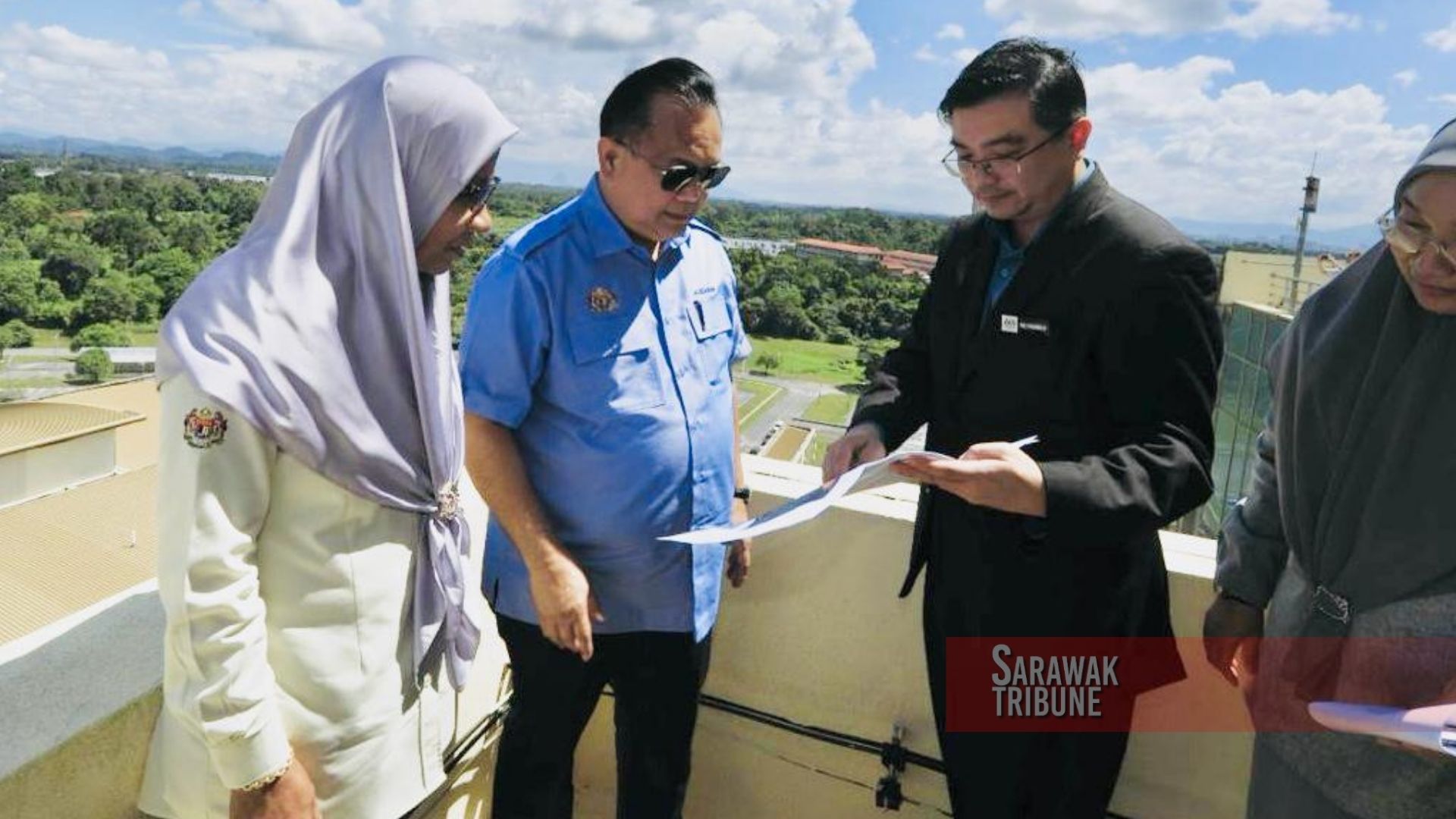
BANGI: The proposed Malaysian Ombudsman is aimed at addressing public perceptions over the transparency of internal complaint processes and does not mean existing mechanisms are ineffective, said Datuk Seri Azalina Othman Said.
The Minister in the Prime Minister’s Department (Law and Institutional Reform) said the Public Complaints Bureau (BPA) is not ineffective but it is subject to public perceptions concerning the transparency and outcomes of complaints because it operates within the government’s administrative structure.
“I’m not saying it (BPA) is ineffective. The problem is when the mechanism is internal, sometimes many people question its outcome. People may even think twice before lodging a report.
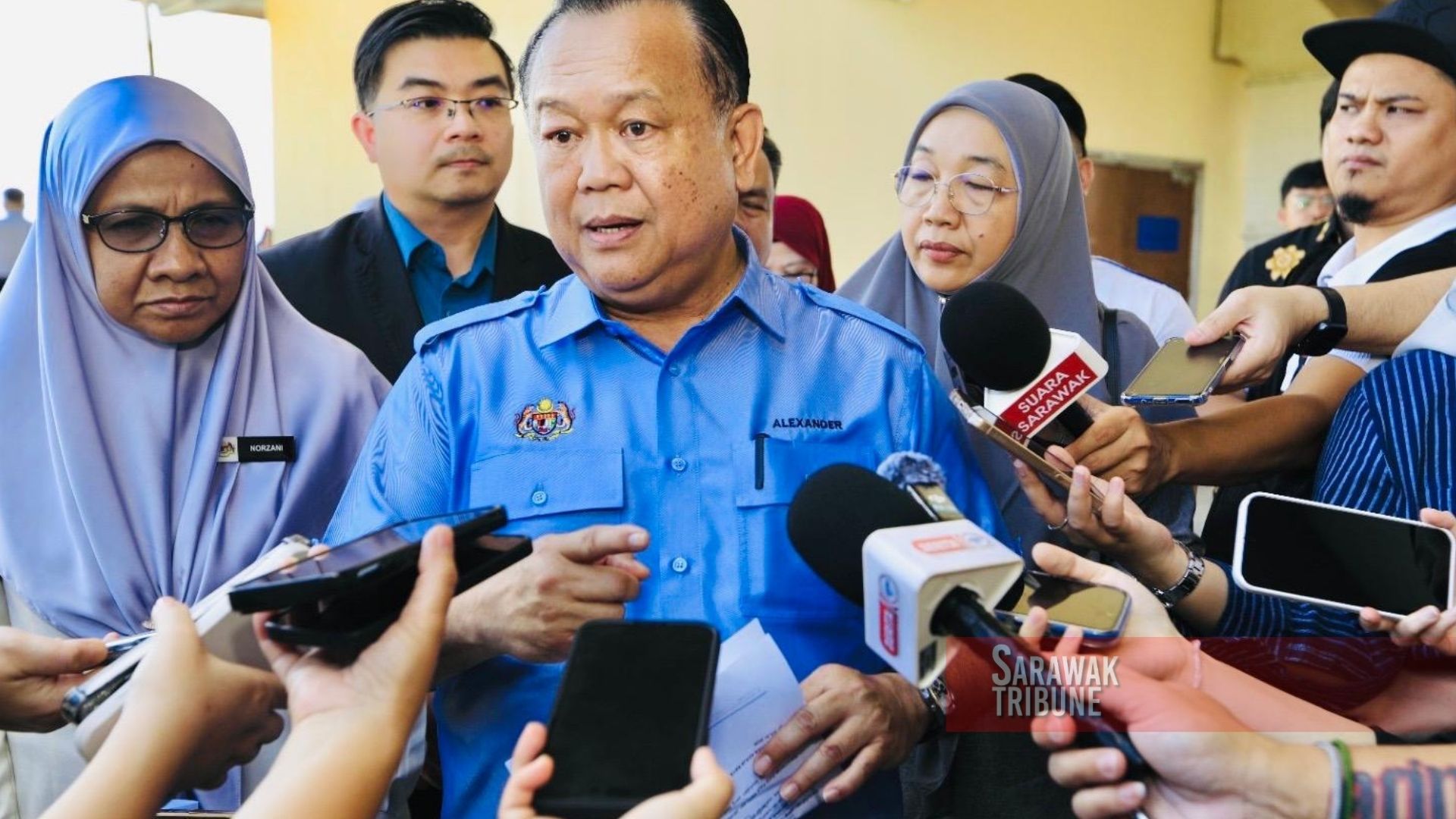
“The Ombudsman will separate the Public Complaints Bureau from government agencies. It will be an independent agency. An independent body,” she said at a press conference after officiating at the MADANI Accountability Framework 2026 Town Hall programme here today.
Azalina said the move is important to avoid public hesitation in lodging complaints, while ensuring every report of misconduct is examined seriously and without bias.
“So my point is that the whole purpose of the Ombudsman is to separate it from government institutions so that the people will have confidence and complaints will be taken seriously. We are in government service; we are not perfect all the time,” she said.
Earlier, during a question-and-answer session with town hall participants, Azalina said the Ombudsman would not be an enforcement body, but would instead receive complaints, conduct investigations and make recommendations to the disciplinary board of the relevant agency for further action.
She said the recommendations would also be tabled in Parliament as part of the institutional checks and balances process.
“For example, like the IPCC (Independent Police Conduct Commission) in the Royal Malaysia Police, they have their own mini ombudsman. So they do their own investigation. The same thing for the MACC (Malaysian Anti-Corruption Commission).
“So these are all things that we have to sort out before we finalise how we want the Ombudsman to be implemented. I have always believed that in our country, the best way to do things is step by step,” she said.
On the drafting of the Freedom of Information (FOI) Act, Azalina said it would be among the key reforms in strengthening the culture of government openness and ensuring the public’s right to access information is better protected.
She said the effort is in line with current needs to improve transparency in public administration, particularly in the dissemination of information to the people.
“Can you imagine if you write a letter to a government department, but it goes unanswered for months? This is why the FOI is needed, because questions must be answered,” she said.
On Nov 18 last year, Prime Minister Datuk Seri Anwar Ibrahim was reported as saying that the proposal to establish the Malaysian Ombudsman and the drafting of the FOI Act were undergoing engagement sessions and were expected to be tabled during the 2026 Parliament sitting.
The media recently reported Azalina as saying that both institutional reform initiatives involving the government would be tabled at the upcoming Parliament sitting.
According to the Parliament portal, the Second Meeting of the Fifth Session of the 15th Parliament for the Dewan Rakyat sitting will be held for 16 days from June 22 to July 16 this year. – BERNAMA