AS you drive south from the gleaming glass towers of Kuching, the landscape begins to shift.
The sleek shopping malls of 3rd Mile and the trendy artisan cafes of 7th Mile eventually give way to a familiar, dusty silhouette.
Rising above the horizon is the concrete behemoth of the Pan Borneo flyover – a symbol of 21st-century progress – but beneath its shadow lies a world that seems to have politely declined the invitation to join the new millennium.
Welcome to the 10th Mile Bazaar, or as it is officially (though less affectionately) known as Kota Padawan.
To the casual traveller, it is a bottleneck on the way to Serian. To the locals, it is a heartbeat. But to anyone with a sense of nostalgia, including the writer, it is probably a facelift of a living museum of 1970s Sarawak.
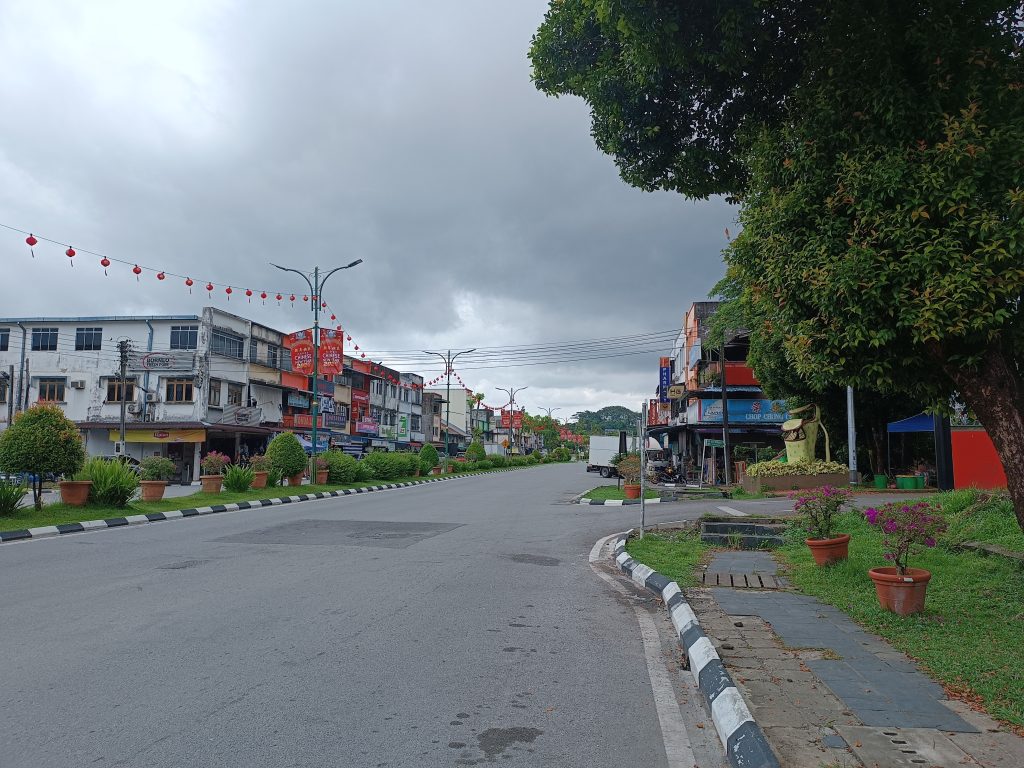
In an era where “urban renewal” is the buzzword of every municipal council, 10th Mile remains stubbornly, almost heroically, unchanged.
While the rest of the Kuching-Samarahan division races toward a future of autonomous rapid transit and smart cities, 10th Mile is a place where time doesn’t march – it lingers over a cup of kopi o peng.
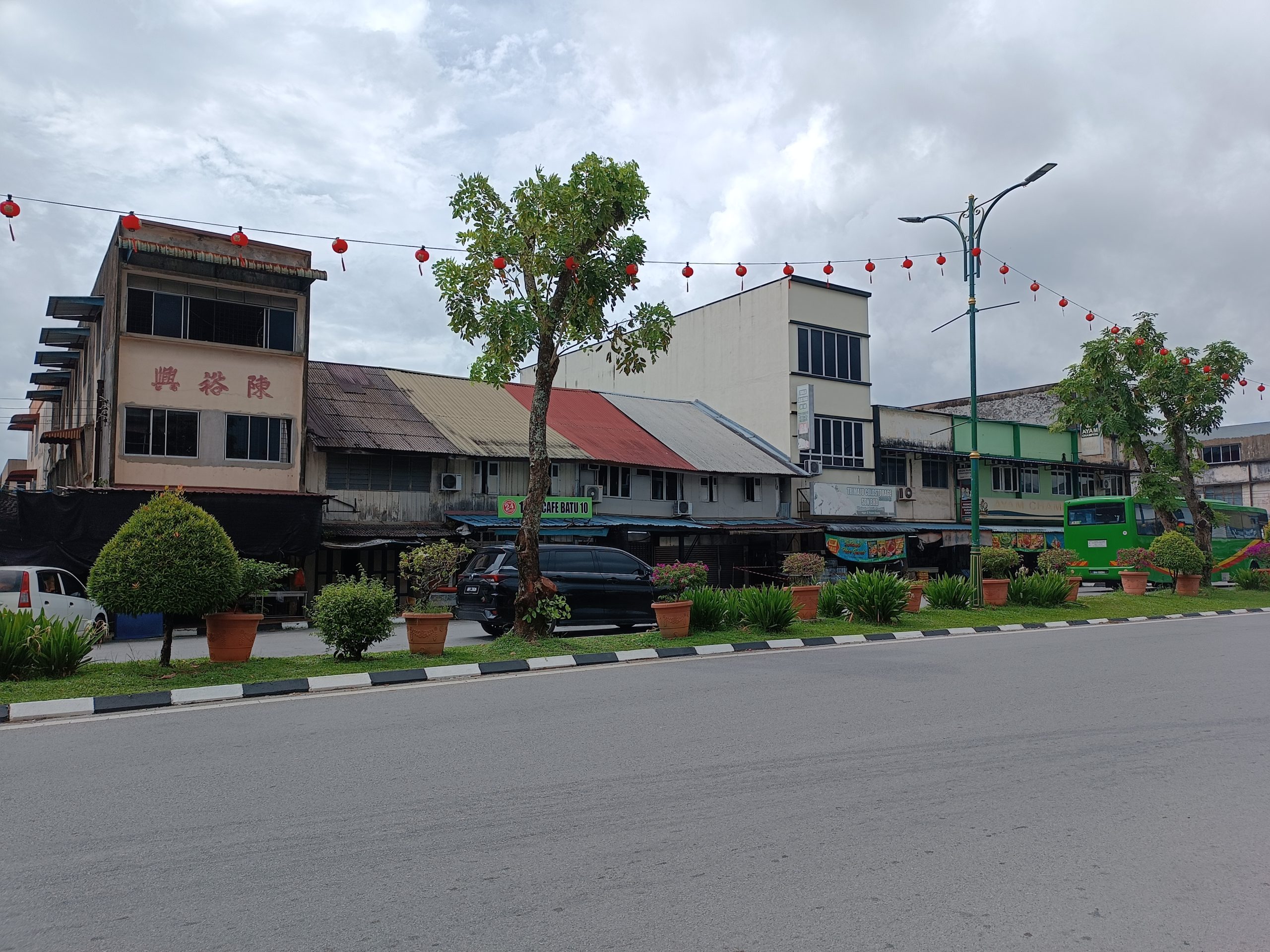
Walking into the core of the 10th Mile bazaar is an exercise in sensory memory. The aesthetic is strictly “Mid-Sian Settlement” or “mid-boring settlement”.
We are talking about the iconic rows of a two-storey wooden shophouses, pinned between the renovated units.
Why hasn’t the wrecking ball arrived? The answer lies in the complex web of legacy land ownership.
Unlike the new “townships” springing up in Batu Kawa, which are built on blank-canvas state land by single developers, 10th Mile is a patchwork of ancestral titles.
These shops are often owned by families who have held them for three or even four generations.
“My grandmother started her retail business in the 70s, and my father renovated it in the 90s,” says one pork seller.
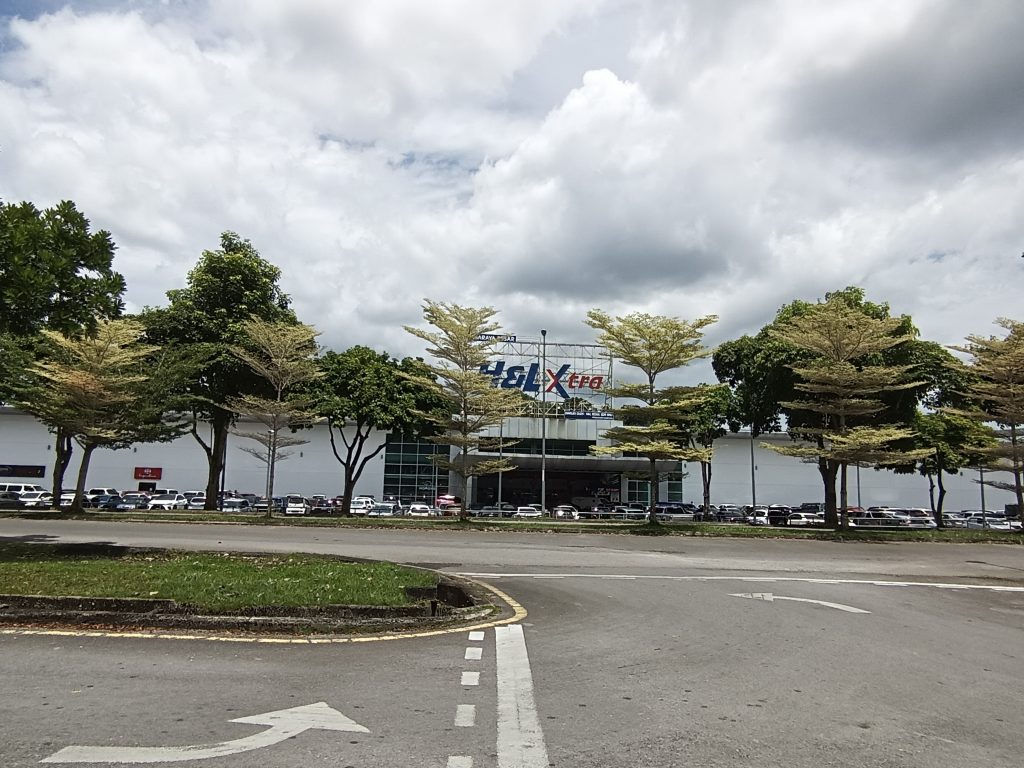
His neighbour next door, who inherited the shoplot from his father, said except for the roofing, they still maintain the old structure.
“To rebuild would mean closing for about two years. Why stop a moving engine just to change the wall and paint it a different colour,” he asked with a smile.
However, most house owners have fixed and upgraded their buildings to more than two stories and rented it out while living somewhere else
But unlike before, where this row of the oldest shop houses used to operate until 7.00 pm daily, many of them are done with their businesses after 1.00 pm.
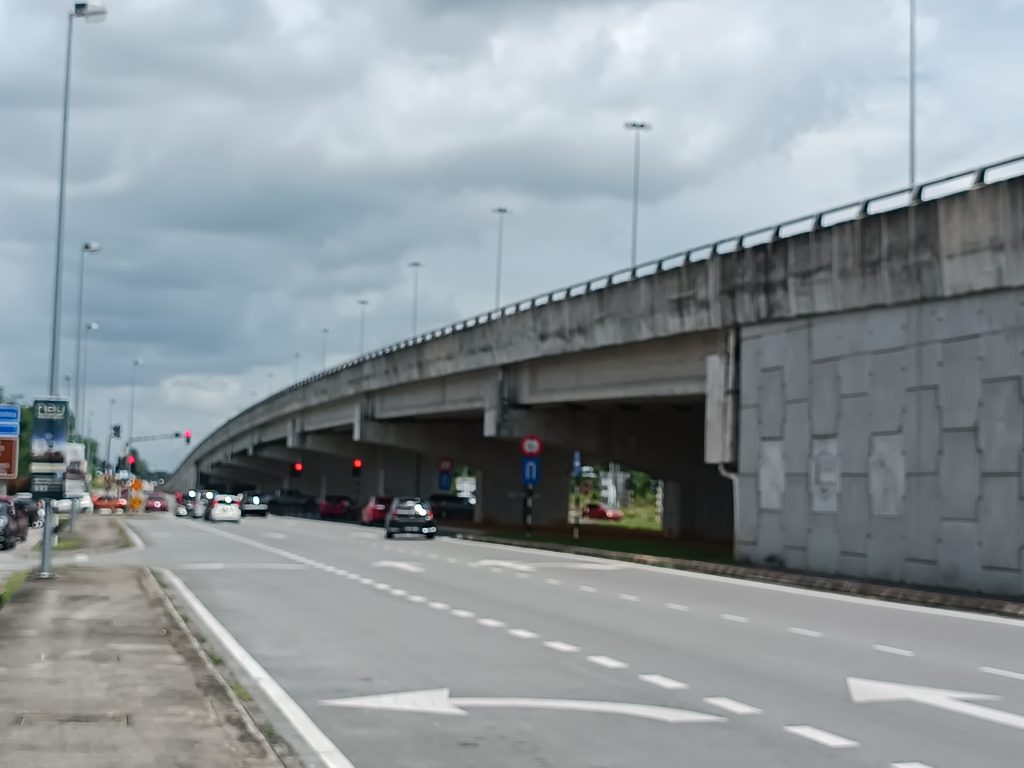
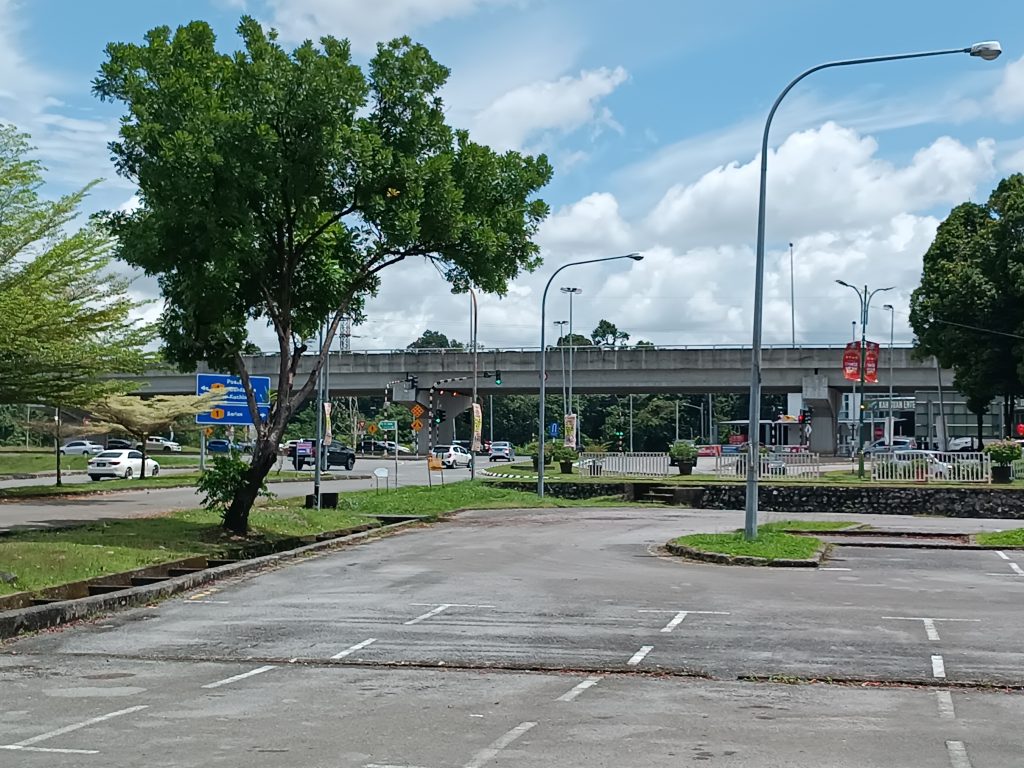
The most literal reason 10th Mile feels frozen is the Mile 10 Flyover. Completed as part of the Pan Borneo Highway project, the flyover was a triumph of engineering that solved the nightmare traffic jams of the past.
However, it also had an unintended side effect: it physically and psychologically bypassed the town.
Before the flyover, every car travelling from the interior of Sarawak – from Puncak Borneo, Padawan and Serian – had to crawl through the bazaar. You couldn’t help but notice the shops.
Today, commuters sail over the rooftops of 10th Mile at 80 km/h. The bazaar has become a “destination” rather than a “transit point”.
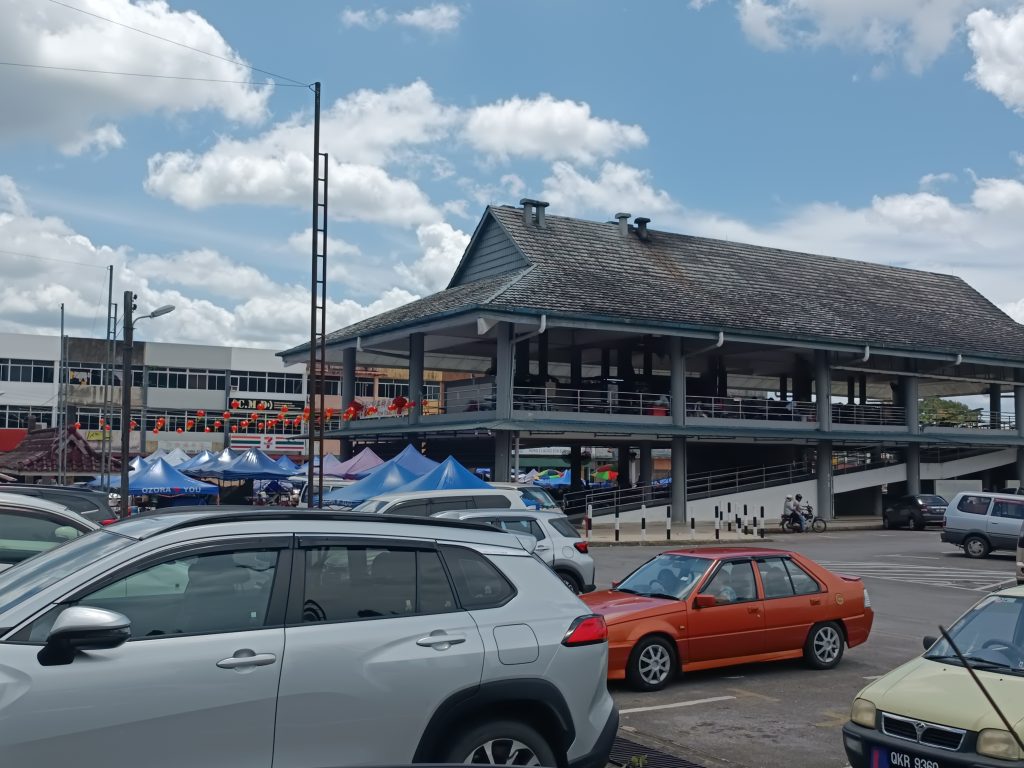
This isolation has preserved the town’s character by shielding it from the aggressive commercial gentrification that usually follows high-traffic corridors.
Despite the lack of shiny chrome facades, 10th Mile remains one of the most culturally vibrant spots in the district. It has always been the “Great Meeting Point”.
Historically, this was the frontier where the Bidayuh community from the surrounding lowlands and highlands met the Chinese traders.
That ‘deoxyribonucleic acid’ (DNA) is still visible today. On any given morning, the wet market and the five-footways are a symphony of languages.
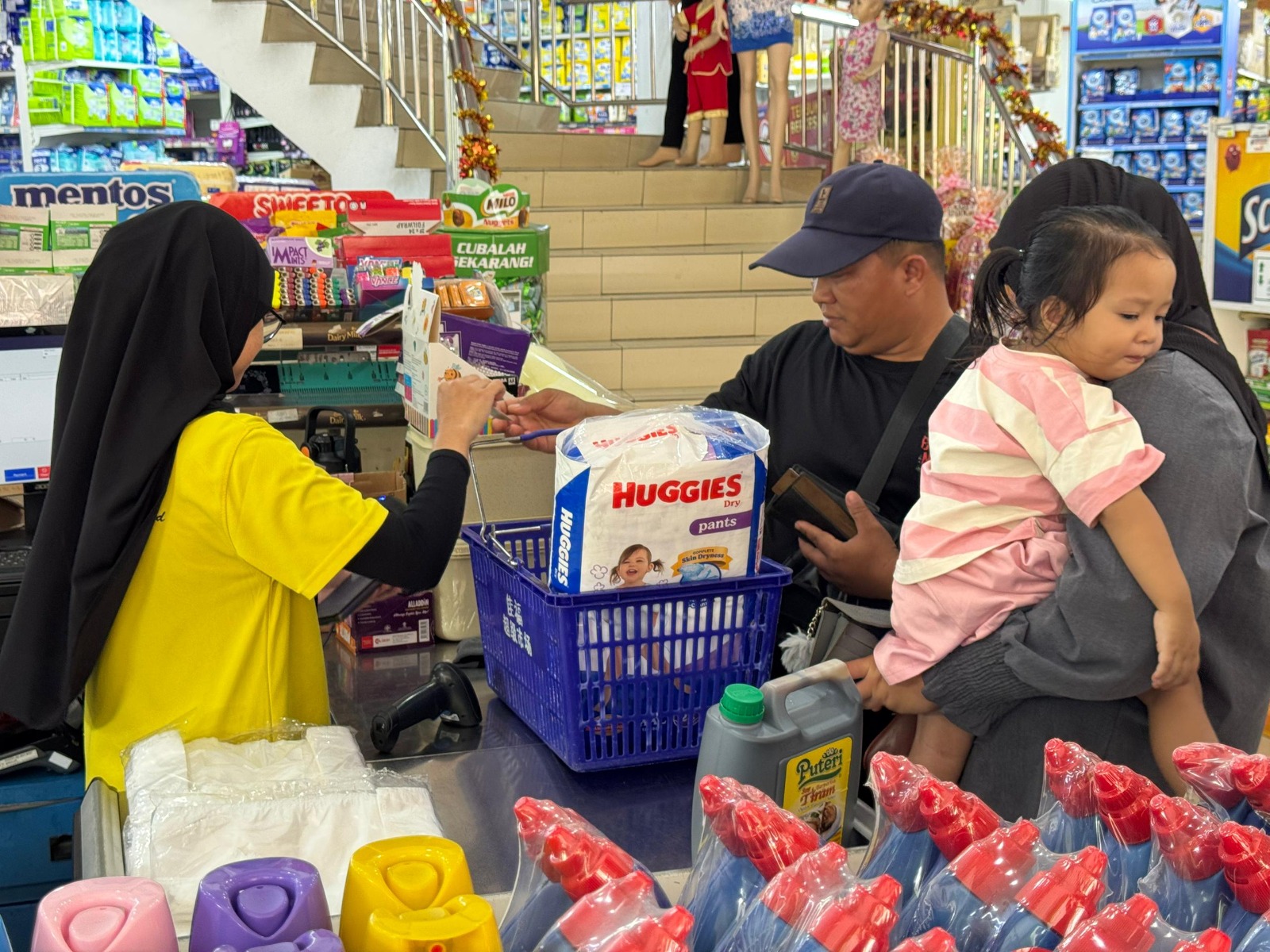
You will see Bidayuh aunties and uncles buying vegetables and meat spread out on tables and tray along the footways of the decades-old shops.
While the rest of Kuching tries to “curate” multiculturalism in modern food courts, 10th Mile lives it authentically.
Perhaps the most significant reason for the 10th Mile’s stasis is a shift in administrative gravity.
For decades, 10th Mile was the undisputed capital of the Padawan Municipal Council (MPP). However, the council is now looking toward the future – literally two miles down the road.
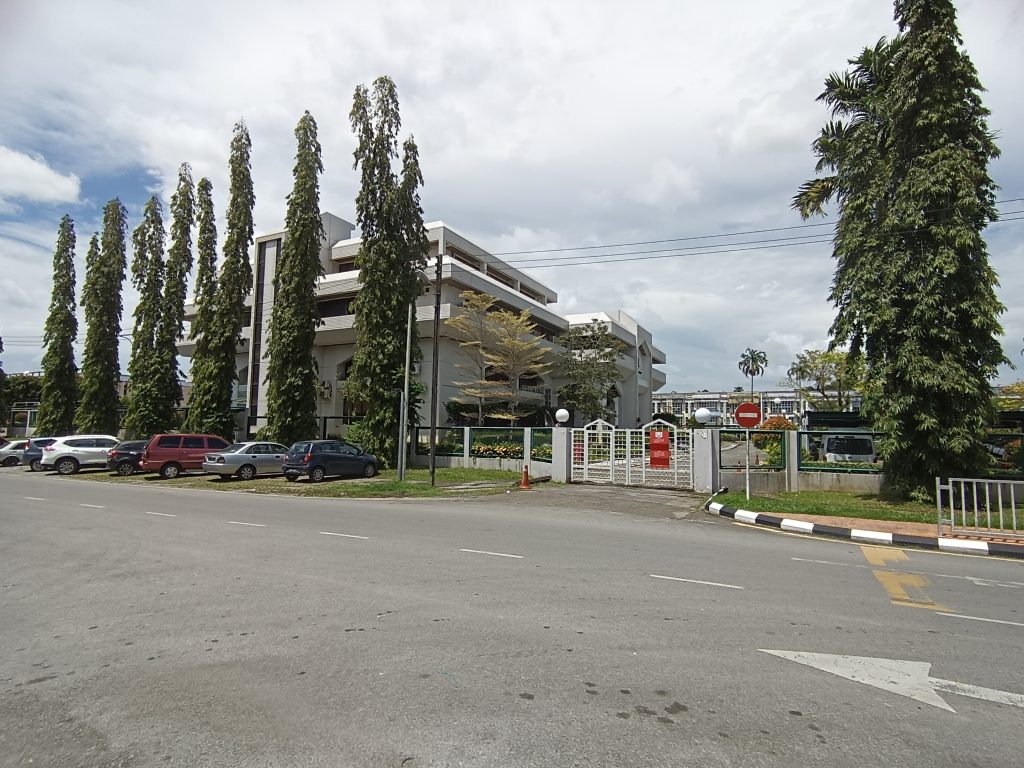
The development of the new MPP headquarters at 12th Mile (Semenggok) has effectively designated 12th Mile as the “New Downtown”.
With a multi-million ringgit administrative complex and new commercial hubs rising there, the pressure to modernise 10th Mile has eased. It has been allowed to remain the “Old Town”, a role it plays with effortless grace.
However, to say 10th Mile hasn’t changed at all would be an oversight. The change is just subtle, appearing in the form of urban art.
The famous ‘Beautiful Ring Ladies of Semban’ mural, painted on the side of Kota Padawan Mall, serves as a poignant reminder of the town’s soul.
It depicts the Bidayuh ‘Ring Ladies’, a tribute to a disappearing way of life. It is fitting that this tribute is located here – in a town that is also, in its own way, holding onto a disappearing era.
There is also the creeping influence of the Autonomous Rapid Transit (ART) project. As Sarawak moves toward a hydrogen-powered public transport future, 10th Mile is likely to be slated to be a key node.
There is a quiet anxiety among locals: Will the ART bring the 21st century crashing into their quiet bazaar? Or will it simply provide a faster way for people to discover the charm of the 80s?
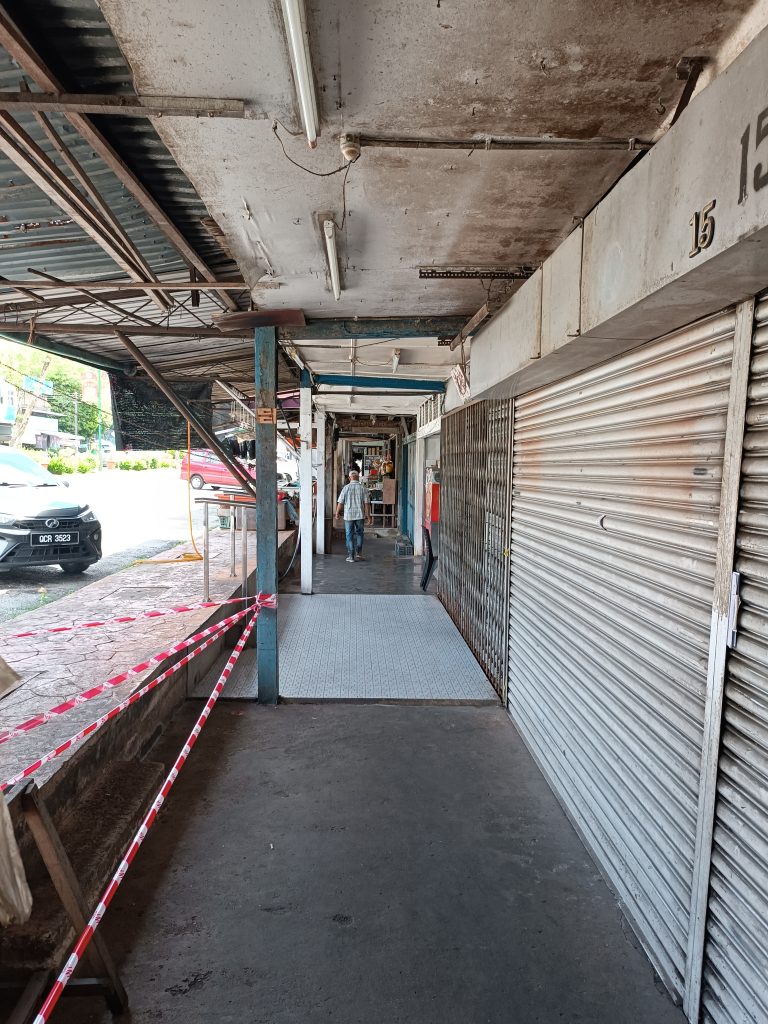
In the end, the reason 10th Mile feels frozen in the 90s is that it serves a purpose that modern malls cannot. It provides a sense of permanence.
In a world that changes at the speed of a fibre-optic connection, there is something deeply comforting about a place where the kolo mee tastes exactly the same as it did in 1988, and where the shopkeeper remembers your father’s name.
10th Mile doesn’t need a glass facade or a designer park to be relevant. Its value lies in its grit, its history, and its stubborn refusal to trade its soul for a coat of modern paint.
For now, the 10th Mile Bazaar remains Sarawak’s favourite time capsule, tucked under a flyover, waiting for anyone who wants to take a slow walk through the past.