Building Sarawak into a badminton powerhouse
A legacy in the making: Part 1
IN a country where badminton has produced some of its greatest sporting heroes, Sarawak intends to carve out its own place among Malaysia’s badminton elite.
The state has already produced its share of elite performers. Sarawakian James Chua once broke into the world’s top 10 and won the 2002 Malaysia Open, while Wong Ling Ching recently ended the state’s long wait for a SUKMA women’s singles gold in 2024 before going on to claim a SEA Games bronze medal in 2025.
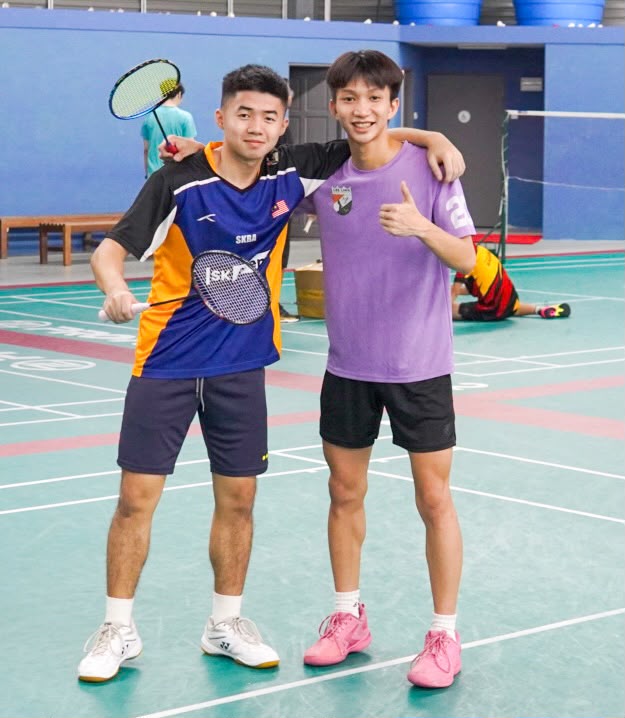
Now, the Sarawak Badminton Association (SBA) wants to turn those individual successes into a sustained pipeline of champions.
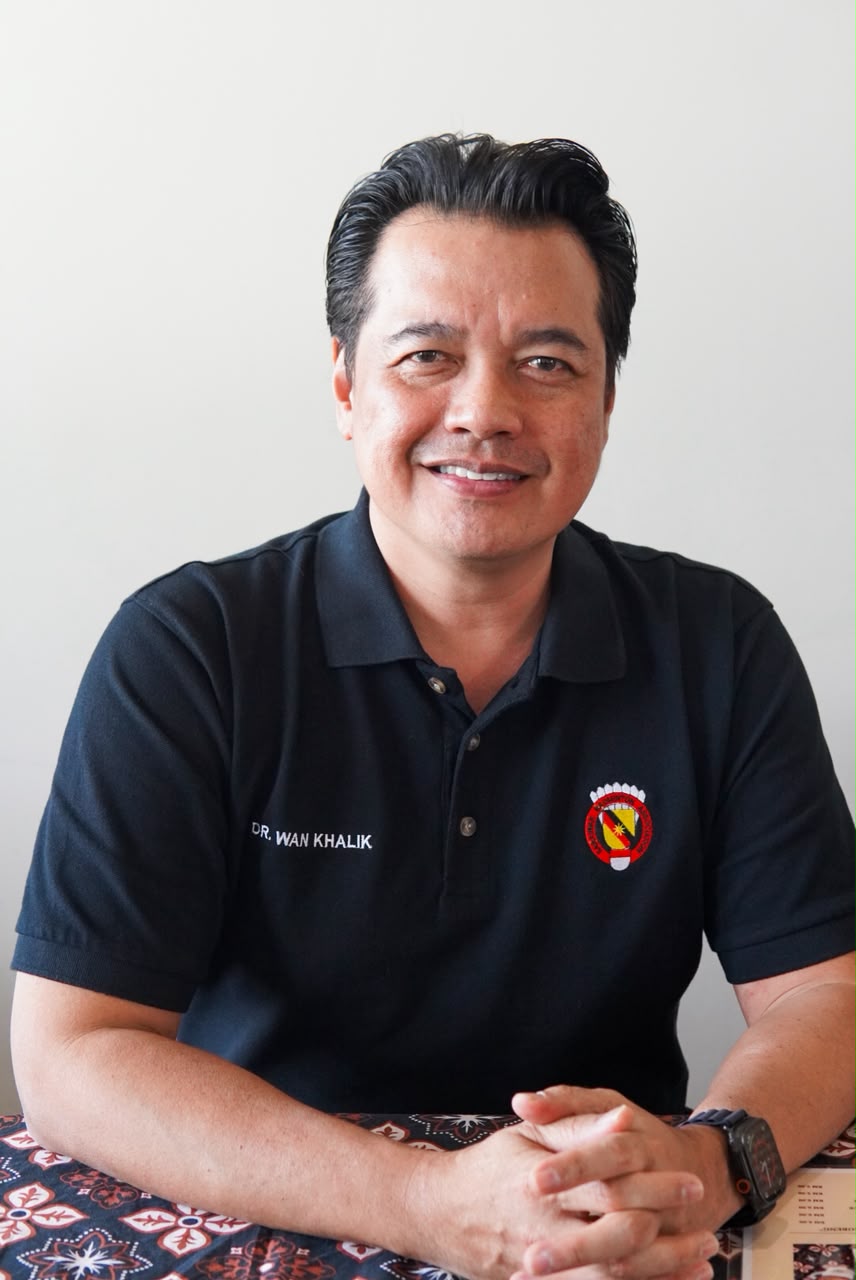
SBA honorary secretary, Datuk Dr Wan Khalik Wan Muhammad, told Sarawak Tribune recently that the association is targeting a place among Malaysia’s top five badminton states within the next three years as part of its wider ambition to establish Sarawak as a national badminton powerhouse.
“We are aiming to become a national powerhouse and a consistent producer of national and world-class champions,” he said.
Wan Khalik said Sarawak’s role goes beyond producing players for its own state teams, with the state also serving as an important feeder to the national setup.
“We know that our role as a state is to be a feeder to the national team. The national team cannot exist without the states, just as the state cannot produce players without its divisions and clubs,” he said.
SBA is currently regarded as a Tier Two state, but Wan Khalik said the association wants to move into Tier One status, which he described as being among the country’s top five.
The ambition forms part of SBA’s Smash 2030 roadmap, with the next three years seen as a crucial period in laying the foundation for that transformation.
Building the House Before Chasing Glory
Before chasing bigger honours on court, however, the new SBA leadership first had to put its own house in order following a prolonged period of suspension and uncertainty.
Wan Khalik said strengthening unity among all affiliated divisions became the immediate priority after the new leadership took over following the association’s extraordinary general meeting, which was overseen by an ad hoc committee.
The amended constitution also strengthened the representation of affiliated divisions, with division presidents automatically becoming SBA vice-presidents.
SBA now has 11 affiliated divisions following the addition of Bintulu and Sri Aman, while Mukah is expected to join soon.
“The first thing we wanted was unity. We wanted to unite all the affiliated members of SBA. Nobody should be left out.
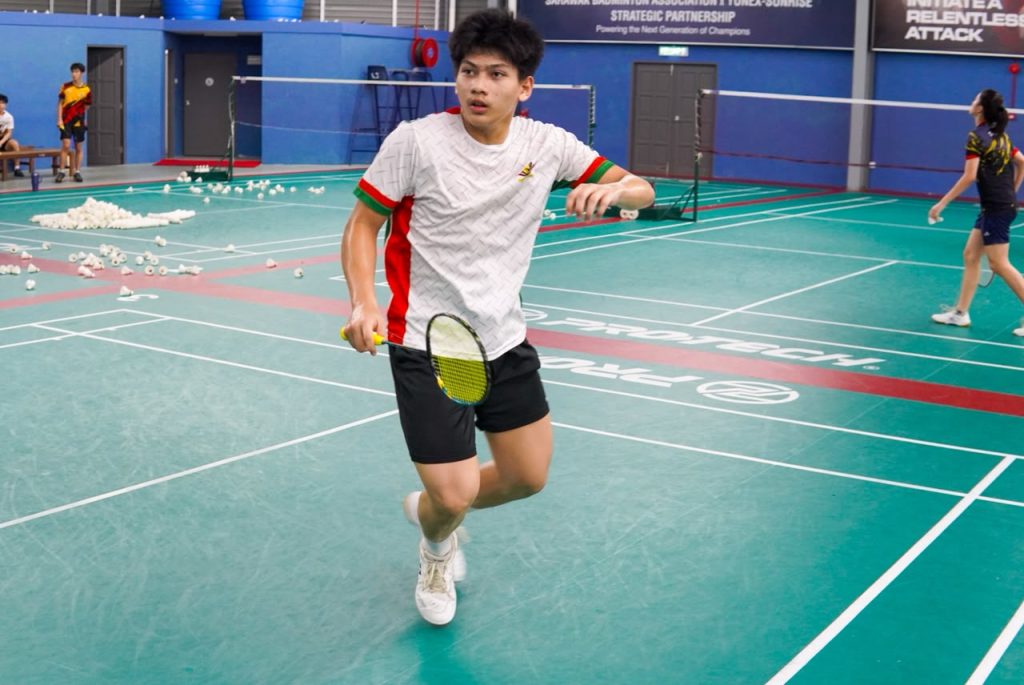
“We did not want to immediately organise tournaments without first repairing and organising our own house. We wanted to make sure the foundation was strong before moving forward,” he said.
Wan Khalik said the emphasis on unity was particularly important given the divisions that had affected the association in the past.
SBA president, Datuk Seri Wan Lizozman Wan Omar, also stressed the importance of unity after being elected unopposed.
For the new leadership, the message was clear – every division has a role to play in building Sarawak badminton.
Putting Faith in Homegrown Expertise
One of the most significant changes has been the appointment of Chua as head coach, with SBA turning to a former Sarawak player who went on to represent Malaysia at the highest level.
Chua officially took charge on June 1, returning home after coaching at both the national and international levels, including a stint with the Czech Republic national team.
Wan Khalik said the decision was based on the belief that Sarawak needed a local figure whom young players could respect, relate to and look up to.
“He was a very successful Sarawak player. He won the Malaysia Open and was also ranked among the world’s top 10.

“When I speak to the players, parents and the public, they still respect and admire him. So I asked, ‘Why do we need to look so far when we have a very good coach and former player from Sarawak?’” he said.
He said Chua’s own desire to return and serve Sarawak further reinforced the decision.
“He told me, ‘My wish is to come back and serve Sarawak. I want to produce a world champion.’
“That triggered me because he already had the vision and goal before I even offered him the position,” he said.
For Wan Khalik, that passion demonstrates Chua’s potential to elevate Sarawak’s badminton programme.
Rather than simply looking for an experienced coach from overseas, SBA wanted someone who understood the local environment, had progressed through the pathway himself and could inspire the next generation.
Strengthening Bodies, Sharpening Ambitions
Since the new coaching setup was introduced, one of the most noticeable improvements has been the players’ physical conditioning.
Wan Khalik said Sarawak players had previously struggled to match the endurance and physicality of competitors from other states.
Chua has therefore placed greater emphasis on strength and conditioning, including at least two gym sessions each week.
“The first thing he wants is to make sure our players are physically strong and able to last.
“I can see the players’ endurance improving, even though it has only been about two months,” he said.
Wan Khalik, who remains active in badminton, said he has noticed the difference during sparring sessions with the younger players.
He said the improvements have been particularly encouraging among the Under-14 players and the women’s squad.
“Skills and power can be developed, but physical strength is something that cannot be ignored. So we start from there. The other things will follow,” he said.
The development of promising youngsters has already given SBA further encouragement.
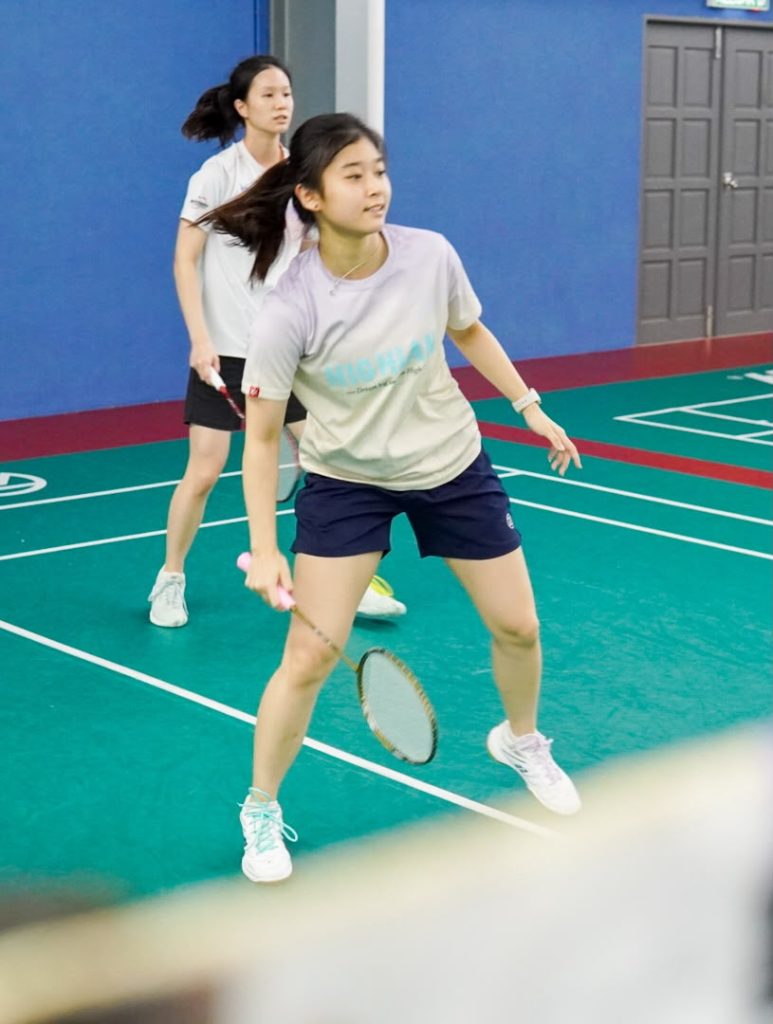
He singled out women’s doubles pair Genevie Lim and Wafa Shahmina, who have emerged as one of the association’s brightest success stories despite spending much of their training time apart.
The pair finished runners-up in the Under-18 and Under-21 competitions and recorded notable victories over BAM pairs.
“They beat two BAM pairs in the Under-21 competition. Then in the Under-18 competition, they beat three BAM pairs. So I don’t think it was a coincidence,” he said.
Their performances subsequently earned them opportunities to represent Malaysia at international junior competitions, with Genevie going on to compete at the Asian Junior Championships.
Wan Khalik said Genevie’s performances demonstrate that Sarawak’s young players have the ability to compete at the international level.
Taking Sarawak Players to the World
For SBA, producing talented teenagers is only part of the challenge.
The bigger question is how to ensure those players remain in the sport and continue developing when they reach their early 20s.
Wan Khalik said badminton is becoming increasingly competitive, with younger players constantly emerging and challenging established players.
“That is why we need a really solid coaching structure, and we also need sports science.
“We cannot rely only on the player. We need the right coaching structure and sports science to ensure our players enjoy long and successful careers,” he said.
SBA also plans to provide greater international exposure for state players who are not part of the national training camp.
Wan Khalik said the association is looking at sending such players directly to international tournaments so they can gain experience beyond the domestic circuit.
Although the players will compete under the Malaysian flag, SBA plans to support their participation with assistance from the state government, the Sarawak State Sports Council (MSNS) and the Sarawak Sports Corporation (SSC).
He believes the approach can help prevent promising players from losing motivation as tournament opportunities become more limited beyond the junior ranks.
The association also wants players to experience international competition while they are still developing, rather than waiting until they have reached the national setup.
The Academy Dream
Looking further ahead, Wan Khalik has an even bigger vision for Sarawak badminton – establishing a dedicated badminton academy capable of producing champions at the highest level.
He said the academy will form an important part of SBA’s long-term development pathway, from nurturing young talent to preparing players for national and international competition.
“Our vision and mission is to have our own badminton academy.
“This academy can produce not only national champions, but world champions,” he said.
For SBA, the road to becoming a badminton powerhouse will not be built overnight.
It begins with strengthening the association, uniting its divisions, investing in coaching and sports science, and giving promising players the opportunity to test themselves against the best beyond Sarawak.
The ambition is clear – to move from a Tier Two state into one of Malaysia’s top five badminton powers, and ultimately to see Sarawak-produced players compete on the biggest stages in world badminton.