KUCHING: Sabah and Sarawak are not short of creative talent, but need a stronger industry ecosystem that can provide young creatives with sustainable career opportunities and keep them from having to leave their home states.
According to the Visional Pop supervising producer, Juhaidah Joemin, she had encountered numerous designers, visual artists, and storytellers from Borneo during her more than 20 years working in the creative industry.
However, she said many had to leave Sabah and Sarawak because career opportunities were concentrated elsewhere.
“The sad part is they all have to leave their hometown to go to West Malaysia to work, because that’s how it worked in those days; you had to be present.
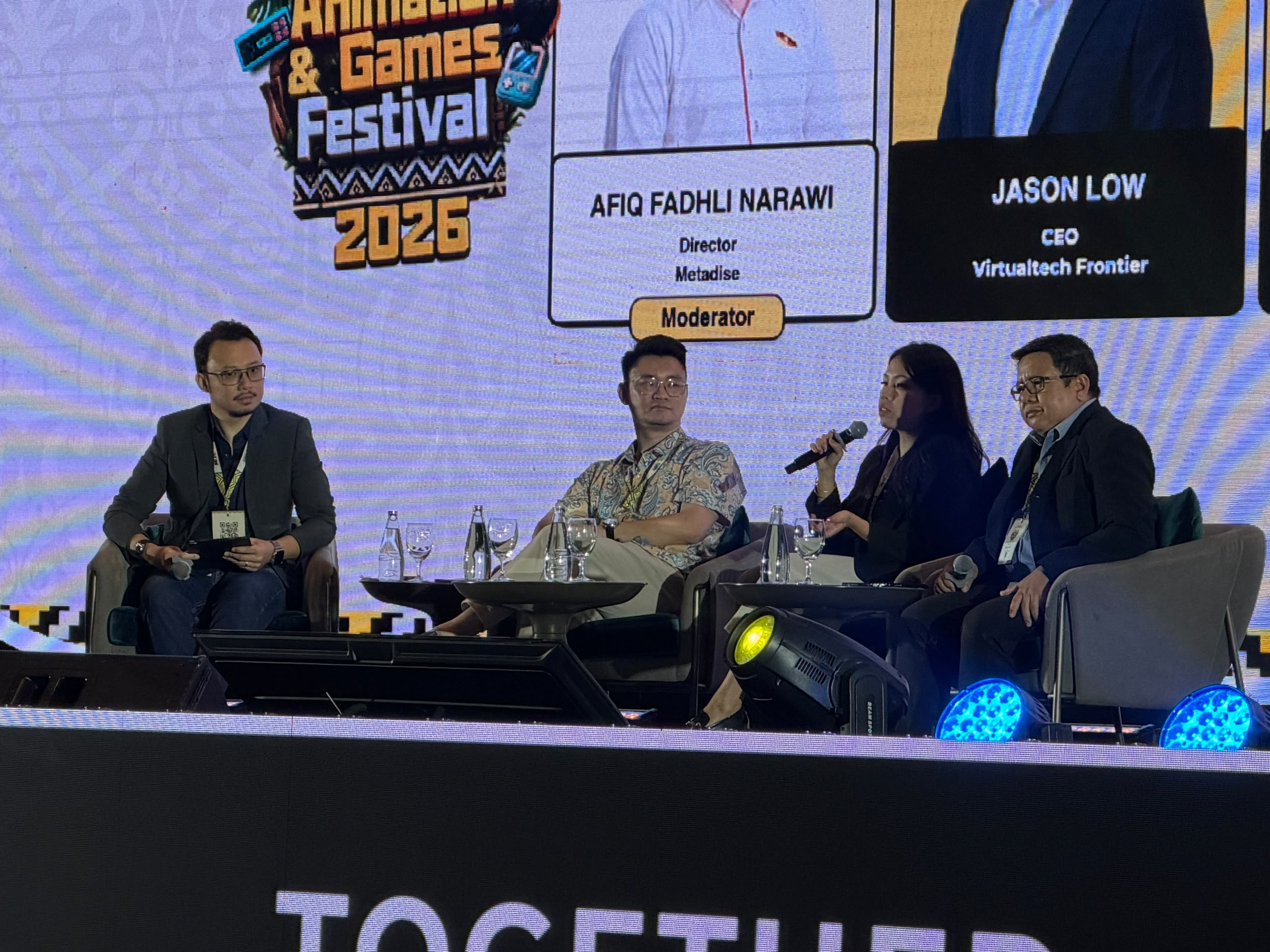
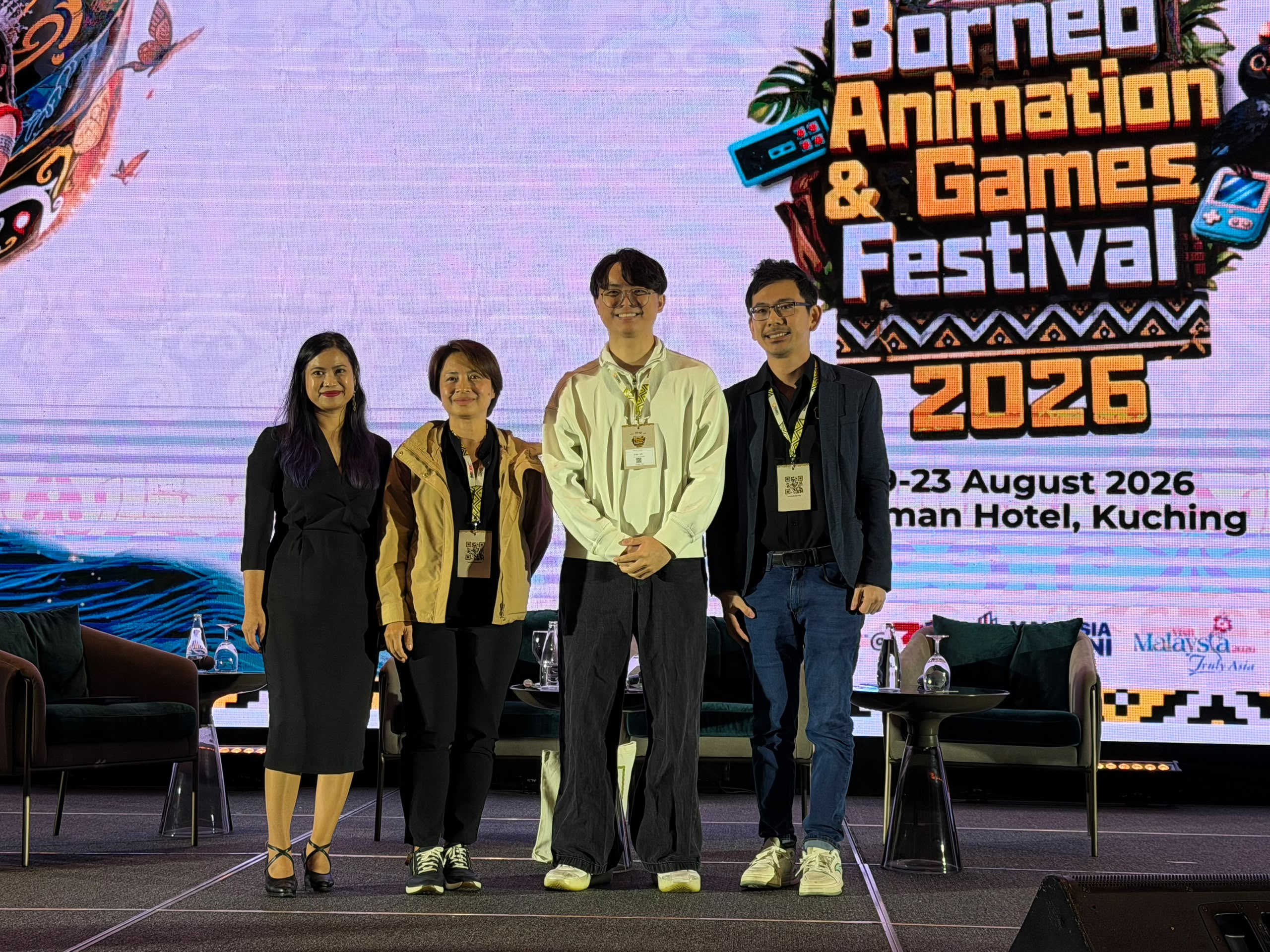
“We are not lacking talent. What we are lacking is an industry in Sabah and Sarawak that can retain this great talent that we have,” she said during a panel discussion on the rise of East Malaysian content.
Juhaidah said one of the challenges was the lack of a well-developed career pathway for fresh graduates who wanted to remain in East Malaysia and build long-term careers in the creative sector.
“We don’t really have a place for fresh graduates to come and start building their career, like planning five-year or 10-year careers,” she said.
She said the situation had improved considerably compared with 10 or 20 years ago, particularly because remote work allows creative professionals to work across geographical boundaries.
“The situation today is not the same as 20 or 25 years ago, when it was not possible to work remotely. Things have changed.
“It’s only in the last five years that things have changed and allowed a lot of people to work remotely from wherever part of the world you are,” she said.
Juhaidah cited her own experience working with international creative teams, including writers in Los Angeles, teams in India, and designers based in Tokyo, while she herself works from her hometown, Kota Belud in Sabah.
“We are in the best time of our industry because the barriers are a lot smaller,” she said.
However, Juhaidah stressed that developing the industry required more than investment in physical facilities and equipment.
“I think whenever we talk about infrastructure, we would imagine probably a bigger capacity of machines, studios, and locations. I think those are the easiest to address.
“I think we need to talk more about the invisible infrastructure that we need in order to have a sustainable creative ecosystem,” she said.
According to her, among the gaps that needed to be addressed was ensuring that graduates entering the sector were equipped with the skills required for professional production.
“We have hundreds, if not thousands, of fresh graduates coming out. But there is kind of a hollow; there is a gap where things are missing, then you have the industry on the other side.
“We have to address this and make sure that all our graduates, all our talent, are production-ready,” she said.
Juhaidah said that more targeted initiatives, including mentoring and real-world industry attachments, could help young creatives progress beyond raw talent to become skilled professionals.
She added that building a sustainable creative ecosystem could not rest solely on government support.
“It’s not the role of one person, it’s not the role of the government, it’s not the role of a certain party.
“It’s basically a collective contribution from every key player,” she said.