MIRI: The implementation of P-Turn facilities along Sarawak’s Pan Borneo Highway presents a significant road safety challenge – balancing seamless accessibility with the risks associated with high-speed travel on a partially access-controlled highway.
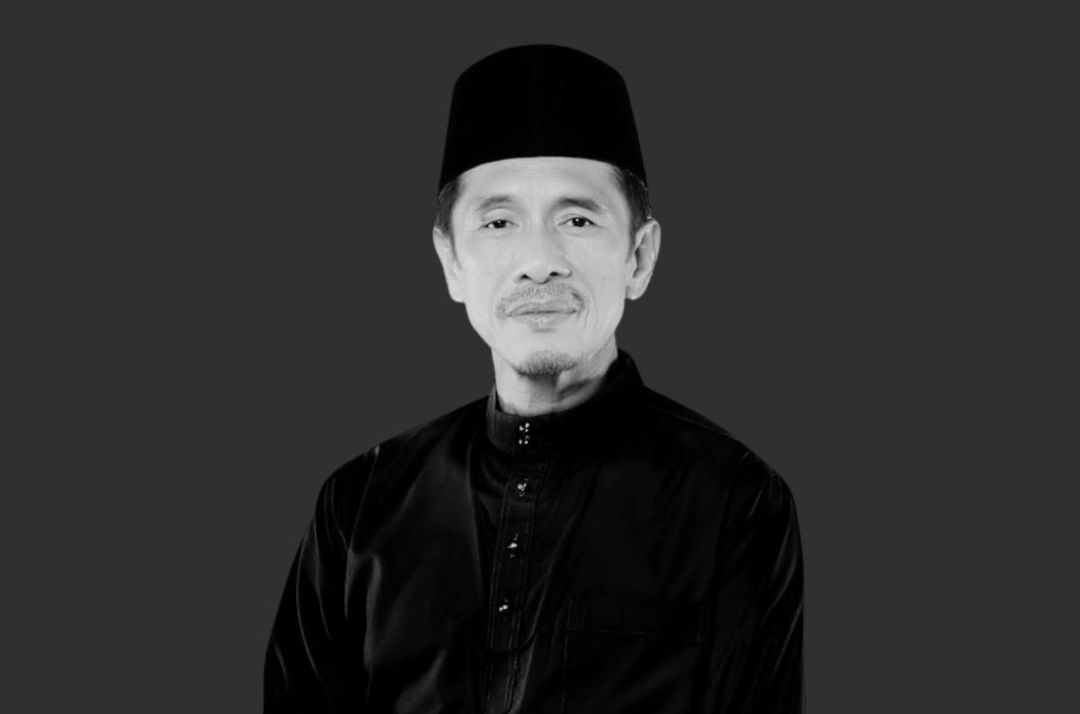
According to Ir Meheron Selowara Joo, Chair of the Curtin Highway Infrastructure Research and Innovation Hub (CHIRND), while the Pan Borneo Highway upgrade marks a major leap in connectivity, it also introduces new safety concerns.
“The transition from a lower-tier R3 single-lane road to an R5 dual-carriageway highway is a significant infrastructure advancement, but it comes with operational complexities,” said Meheron, who is also a Senior Lecturer in Civil and Construction Engineering at Curtin Malaysia.
He credited the Sarawak Government, the Public Works Department (JKR) and federal agencies for successfully delivering the upgrade while navigating the challenges of partial access control – a crucial consideration in rural highway design aimed at maintaining mobility for local communities.
Unlike fully access-controlled highways, such as the PLUS Highway in Peninsular Malaysia – where entry and exit points are strictly designated – the Pan Borneo Highway allows for more flexible access.
While this reduces travel distances for local residents, it also increases their exposure to fast-moving traffic.
One of the key safety challenges, Meheron noted, is the natural increase in vehicle speeds due to improved road conditions.
Although the posted speed limit is 90 kilometres per hour, actual travel speeds often exceed this, raising the risk of collisions, particularly for motorists entering or exiting the highway.
“Residents using the Pan Borneo Highway must remain highly vigilant.
“The enhanced road quality leads to higher operating speeds, which can pose significant risks if drivers do not adhere to proper safety measures,” he warned.
Designed to facilitate safer crossings, P-Turns serve as an alternative to conventional U-Turns on high-speed, median-divided highways.
The Pan Borneo Highway is set to feature over 200 P-Turns, strategically positioned based on traffic impact studies, particularly in high-population areas.
“The primary advantage of a P-Turn is that it allows vehicles to accelerate within an acceleration lane before merging with highway traffic, reducing conflicts with faster-moving vehicles,” Meheron explained.
“However, the effectiveness of P-Turns depends on strict adherence to safety guidelines.”
While P-Turns provide a practical solution for managing access on high-speed highways, Meheron outlined several safety risks:
Illegal U-Turns: Some motorists bypass the full P-Turn manoeuvre, increasing the risk of collisions.
Limited night-time visibility: Poor lighting can make it difficult for drivers to accurately judge the speed of oncoming vehicles.
Unsafe lane changes: Vehicles switching lanes abruptly to initiate a P-Turn can disrupt traffic flow.
Speeding violations: The improved road design encourages higher travel speeds, making it harder for merging vehicles to enter safely.
Poorly located P-Turns: Limited sight distances, especially at crests and curves, make it harder for drivers to anticipate merging traffic. Additional warning signage is crucial in such areas.
Illegal parking at P-Turn facilities: Parked vehicles obstruct visibility and disrupt intended traffic flow.
Despite these risks, Meheron affirmed that P-Turns remain an appropriate solution for partially access-controlled highways – provided that road users and enforcement agencies work together to uphold safety standards.
“Enforcement, awareness and infrastructure improvements must go hand in hand,” he stressed.
“A collaborative approach is essential to ensuring that the Pan Borneo Highway remains both efficient and safe for Sarawak’s communities.”