
“We are the first generation to feel the effect of climate change and the last generation who can do something about it.”
– Barack Obama
How environmental changes are quietly affecting people, culture, and everyday life
LATELY, many of us have been saying the same thing almost every day – the weather feels unusually hot.
The heat feels stronger, mornings become warm much earlier, and even nights no longer feel as cooling as before. Some days feel exhausting, uncomfortable, and dry. At the same time, heavy rain and floods can suddenly happen after long periods of heat. The weather no longer feels predictable.
These are not just casual conversations about the weather anymore. They are reminders that climate change is becoming part of our daily lives.
When people hear the words “climate change”, many still imagine melting icebergs or environmental disasters happening far away from Malaysia. But climate change is not only happening somewhere else. We are already experiencing its effects here – through extreme heat, changing rainfall patterns, floods, droughts, food insecurity, and environmental stress.
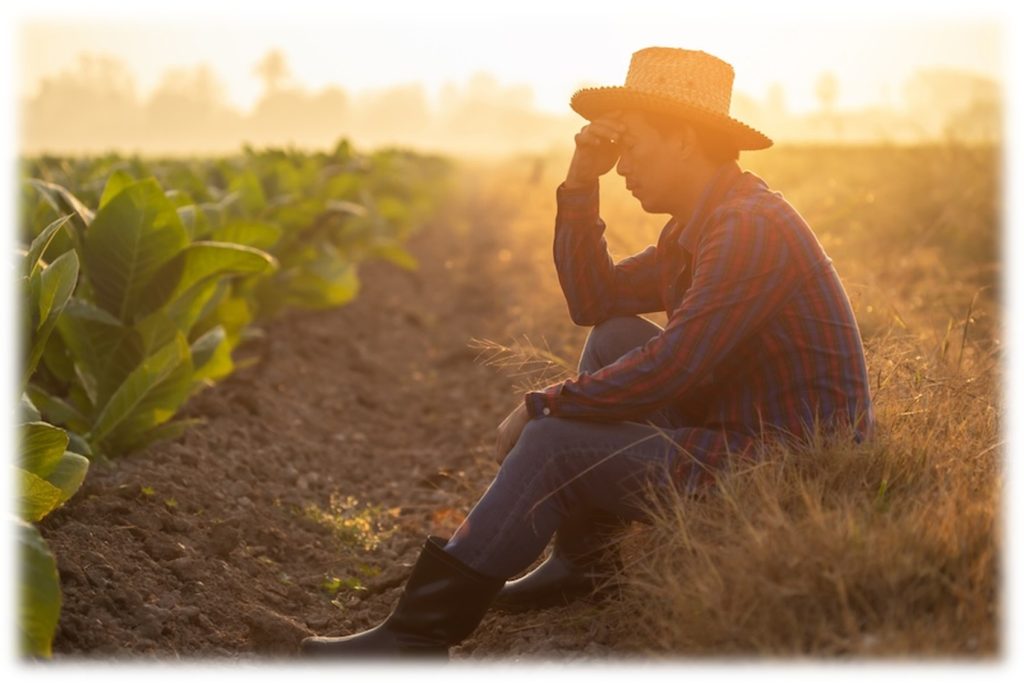
Climate change is no longer only an environmental issue. It is also a human story.
As a scientist, I understand climate change through research, environmental observations, and scientific evidence. But as someone who works closely with communities and nature, I also see climate change through the experiences of ordinary people.
The farmer who struggles with uncertain planting seasons.
The family worried about rising food prices.
The elderly who feel increasingly uncomfortable during extreme heat.
The communities affected repeatedly by floods and environmental changes.
These are the human faces of climate change.
In Sarawak, for example, forests have always played an important role in people’s lives. Forests provide food, medicine, clean water, and environmental stability. Indigenous and local communities have long understood the importance of living in balance with nature. Traditional knowledge about medicinal plants, seasons, and ecosystems has been passed down through generations.
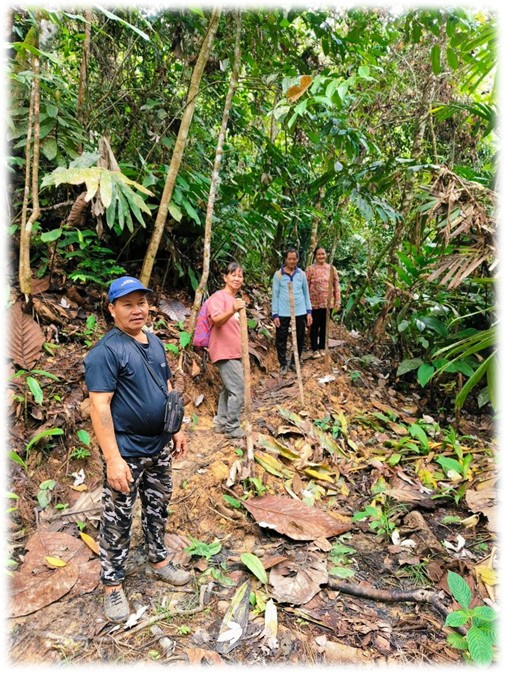
However, environmental changes are beginning to affect these natural systems.
Some medicinal plants are becoming increasingly difficult to find. Changes in rainfall and temperature affect ecosystems and biodiversity. Rivers behave differently. Wildlife habitats are disturbed. What we are witnessing today is not only environmental change, but also the gradual disruption of relationships between people and nature.
What many people may not realise is that forests are more than just green scenery.
They are living systems filled with hidden science.
As a biotechnologist, I find nature endlessly fascinating. Beyond plants and trees, there are also millions of microscopic organisms quietly working beneath our feet. These microbes help recycle nutrients, maintain soil health, and support ecosystem balance. Scientists are now exploring how natural biological systems may help create greener technologies and more sustainable environmental solutions for the future.
Nature has always been solving problems in ways humans are still trying to understand.
This is why protecting biodiversity is not simply about saving forests for tourism or protecting wildlife for photographs. It is about protecting future resources, future discoveries, environmental stability, and human wellbeing.
Climate change is teaching humanity an important lesson: we cannot separate ourselves from nature.
The air we breathe, the food we eat, the water we drink, and the climate we depend on are all connected to the health of the environment around us.
Yet despite these challenges, I still believe there is hope.
More people are becoming aware of sustainability and environmental responsibility. Young people are speaking more openly about climate action. Researchers are exploring nature-based solutions. Communities are beginning to realise that protecting the environment is not a choice anymore — it is a necessity.
But real change begins with awareness.
We do not need to be scientists to care about climate change. Sometimes, it begins with simple actions – appreciating nature, reducing waste, protecting biodiversity, planting trees, conserving water, and teaching younger generations to value the environment.
As a Global Ambassador of Sustainability, I believe sustainability is not just about campaigns or policies. It is about mindset. It is about understanding that human wellbeing and environmental wellbeing are deeply connected.
Perhaps the extreme heat we are experiencing today is more than just uncomfortable weather.
Perhaps it is nature reminding us that the planet is changing – and humanity must change with it.
Because in the end, climate change is not only about the Earth.
It is about all of us.
The views expressed here are those of the writer and do not necessarily represent the views of Sarawak Tribune. The writer can be reached at ab_fauziah@upm.edu.my.