AS women remain under-represented across science, technology, engineering and mathematics (STEM), closing the gender gap is no longer a future goal – it is an urgent necessity. Yet despite systemic barriers, women in science continue to push boundaries, drive innovation, and reshape fields that were never designed with them in mind.
The United Nations Educational, Scientific and Cultural Organisation (UNESCO), alongside many other global organisations, aims to highlight the importance of equal access to education, opportunity and representation for women and girls in science, while addressing the structural barriers that continue to limit their participation.
With this year’s International Day of Women and Girls in Science championing the inclusivity of women and girls in the STEM field, the focus lies on ‘From Vision to Impact: Redefining STEM by Closing the Gender Gap’.
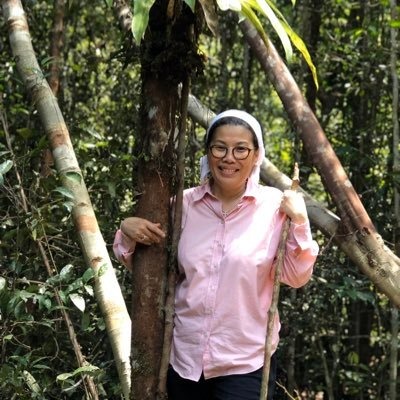
In conjunction with the day, Sarawak Tribune spoke to Academy of Sciences Malaysia (ASM) Sarawak Chapter Chairperson, Datuk Dr Lulie Melling. Renowned for her work in tropical peatlands, Lulie recalled that her curiosity about science began in childhood.
“I was always asking how things worked, such as why hard, uncooked rice becomes soft and edible when heated, how yeast in dough causes it to rise through a chemical reaction, and how baking transforms the sticky mass into delicious food,” she said.
Growing up amongst Sarawak’s rainforest, Lulie often saw the jungle as her second home. Her interest in edible plants and collecting insects gave her the courage to venture into the wilderness. As a child, she loved watching the stars at night, and the vastness of the universe sparked her curiosity – about life and the world around her, and about the importance of learning from, preserving, and caring for them.
“All these questions led me to read widely about the science behind things to learn more. A defining moment came during my final-year university project, when I realised research has no limits: science gives us the freedom to explore ideas and pursue answers with both discipline and imagination,” added Lulie.
Fast-forward to today, Lulie is a researcher and trailblazer. Her work in the field provides valuable insight and has helped develop the state through her work with tropical peatlands, which includes contributions to climate change mitigation and the improvement of oil palm cultivation on peatland.
Despite her achievements, the founding director of the Sarawak Tropical Peat Research Institute (TROPI) acknowledges that gender-stereotypical challenges still exist. Women continue to carry invisible workloads, including mentoring, organising, and emotional labour, while often feeling the need to prove their competence through extra effort.
“At the same time, structural barriers persist, such as limited access to influential networks, funding opportunities, and decision-making spaces, as well as unequal recognition for the same contributions. There are still cases where men dismiss or ignore the achievements of women pioneers, even when those women delivered breakthroughs that many others – including men – would not have undertaken or endured.”
Another ongoing reality is that many women shoulder a larger share of caregiving responsibilities, which affects their time, travel, and pace of career progression, especially for young mothers. As a mother herself, Lulie has witnessed too many cases where women are expected to persist through demanding life stages without adequate support, flexible structures, or understanding.
“Additionally, the downtime women experience once a month can, for some, significantly affect performance, temperament, and response to work stress.”
Recognising this, Lulie said that while achievements are celebrated, it is important to ensure the system is fair: properly recognising contributions, ensuring safe and respectful workplaces that are mindful of women’s physical needs, and building career pathways that do not penalise women for their leadership style or life stage.
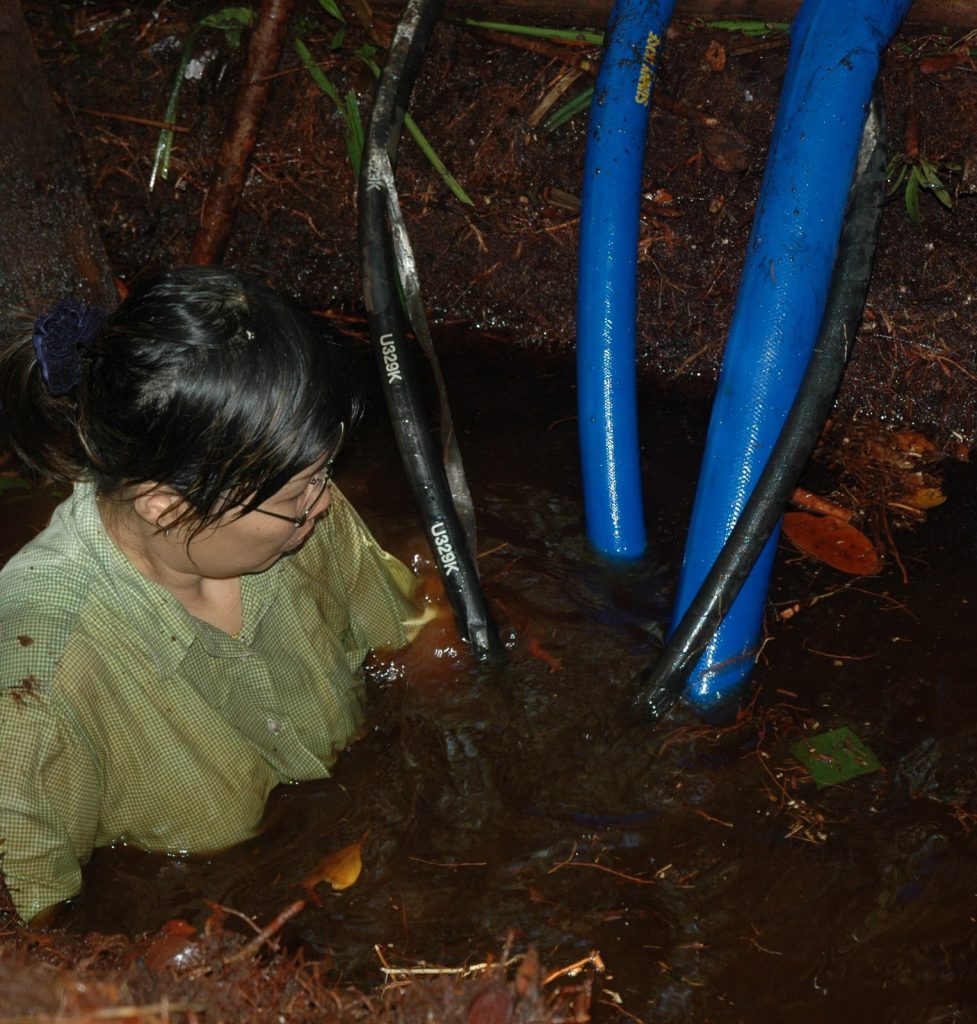
Remembering her first day at work in 1991 as the first female soil surveyor in the department, Lulie often felt she had to prove herself twice as hard.
“Many people doubted – both quietly and openly – whether I could survive fieldwork as the only woman among a team of men. Sometimes the ‘test’ was direct: I was asked to cut two traverse lines when one traverse line per day was the normal expectation.”
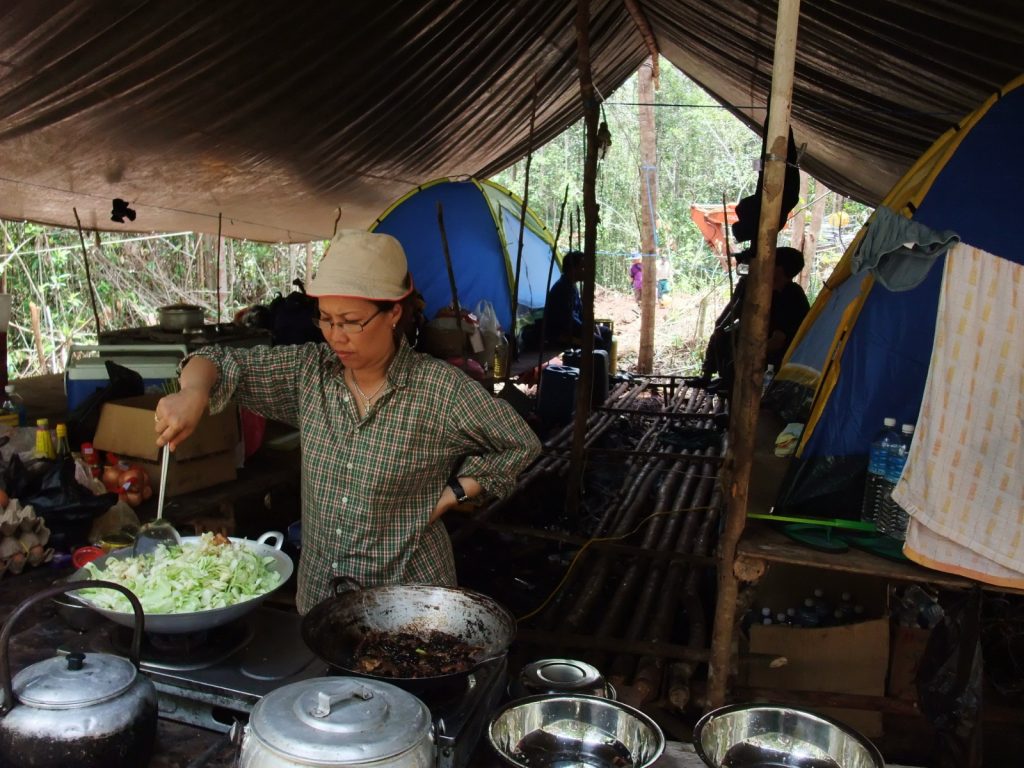
She added that even after her distinction in postgraduate studies in soil science, her work was still sometimes belittled. What kept her going was the reminder that she could not afford to be incompetent or lax in her work, and that is how she has persevered to this day.
Nevertheless, the landscape for women is better now, she commented.
“More women are entering universities and the workforce, and that visibility is changing mindsets. But the goal must still be fairness – so the next generation of women do not have to ‘over-prove’ themselves just to be taken seriously and can be judged by the same standards as anyone else: competence, integrity, and results.”
But the hardest part of being a working woman in the field was not limited to the work itself – it was balancing life as a mother. As a mother of one, Lulie shared that this balance is not a solo act.
“It requires teamwork, mutual sacrifices, and compromises with your spouse, family, friends, and the support systems you build through experience and according to your circumstances. For me, the key is having systems, not seeking perfection,” said Lulie.
In those periods of quiet chaos, Lulie did feel like giving up, especially during intense periods of fieldwork, deadlines, and leadership demands.
“What carried me through was passion, clarity of purpose, prioritising, staying organised, and a supportive circle. I also learned that asking for help or guidance is not weakness – it is wisdom.”
From vision to impact, closing the gender gap in STEM requires more than celebration – it demands structural change, inclusive workplaces, and equal recognition of talent. Lulie’s journey reflects what becomes possible when curiosity is nurtured and opportunity is fair, underscoring the importance of ensuring that the next generation of women and girls in science are judged not by their gender, but by their ideas, integrity, and contributions.