SARAWAK’S next phase of economic growth should produce more indigenous businesses capable of competing nationally and internationally.
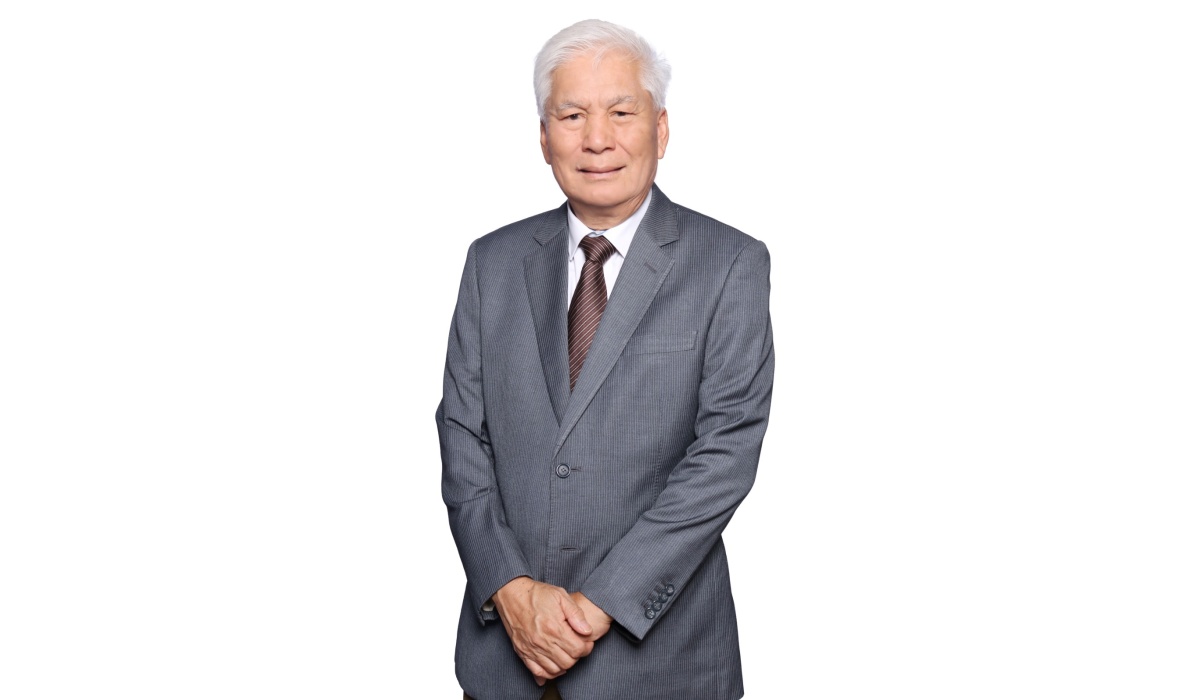
Dayak Chamber of Commerce and Industry (DCCI) president Datuk Allan Keripin Nangkai said Dayak entrepreneurs and rural enterprises possessed significant untapped potential but required stronger support through better access to financing, business advisory services, digital technology, entrepreneurship training and wider market opportunities.
“Indigenous businesses could play a far greater role in Sarawak’s future economy with better access to financing, business advisory services, digital technology, entrepreneurship training and market opportunities,” he said in conjunction with Sarawak Day.
Allan said greater investment should be channelled into entrepreneurship development for indigenous youth, technical and vocational education and training (TVET), and industry-focused skills development to prepare local businesses for emerging industries.
He said priorities should also include artificial intelligence (AI) and digital adoption among SMEs, agro-processing and downstream industries, renewable energy and carbon economy initiatives, community-based ecotourism, and indigenous food and cultural industries.
Structured vendor development programmes, he added, were equally important to connect indigenous SMEs with major public and private sector projects.
“These measures would help local enterprises take advantage of opportunities emerging in renewable energy, hydrogen, artificial intelligence, digital technology, advanced manufacturing and agroprocessing.”
Allan said sectors such as healthcare, education, tourism, logistics and the green economy would also become increasingly important drivers of Sarawak’s future growth.
“These industries should create opportunities for local companies to become suppliers, contractors, technology partners, exporters and investors.
“Sarawak’s future economy should not only create employment, but also develop more Sarawakianowned companies capable of competing nationally and internationally.”
He said Sarawak had already established itself as one of Malaysia’s most attractive investment destinations, supported by political stability, long-term planning and an abundance of natural resources.
“Political stability, visionary leadership, prudent long-term planning, abundant natural resources and the state’s strategic geographical location have collectively strengthened investor confidence.
“Sarawak’s commitment to renewable energy, digital transformation and sustainable development has also increased its appeal among domestic and international investors.
“The approval of approximately RM116 billion in investments between 2020 and September 2024 reflects growing confidence in Sarawak.”
Allan said the achievement demonstrated that Sarawak was increasingly recognised as a competitive and forward-looking economy capable of attracting highquality investments across multiple sectors.
He also commended the Sarawak government for introducing policies and development initiatives that had laid a strong foundation for longterm economic growth.
“Major investments in infrastructure, the Sarawak Corridor of Renewable Energy, renewable energy, hydrogen development, digital economy initiatives, tourism promotion, SME development programmes and the attraction of high-value industries had significantly enhanced Sarawak’s competitiveness.
“These initiatives, together with the government’s efforts to position Sarawak as a preferred investment destination domestically and internationally, has strengthened its global reputation and investor confidence.”
As Sarawak entered its next stage of development, Allan said the priority should now be ensuring those investments translated into tangible opportunities for local businesses, particularly SMEs, cooperatives and indigenous enterprises.
“Effective implementation, transparent procurement processes and stronger cooperation between the government, industry and educational institutions would be essential to ensure that the benefits of economic growth were widely shared.”
He said economic success should not be measured solely by the value of investments secured, but also by how effectively they strengthened local businesses and communities.
“The true measure of success should therefore include the successful implementation of approved investments, the quality of jobs created, the transfer of technology and knowledge, and the participation of Sarawakian businesses in the economic value chain.
“Our objective should be to ensure that economic growth creates lasting value for local enterprises, workers and communities throughout Sarawak.”
Despite the state’s positive outlook, Allan said several structural challenges continued to constrain businesses and required sustained attention.
“These include high logistics and transportation costs arising from Sarawak’s geographical landscape, increasing construction and building material costs, and infrastructure and digital connectivity gaps, particularly in rural areas.”
He said businesses also continued to face limited access to financing for SMEs, smallholders and start-ups, shortages of skilled workers, rising foreign worker costs, and regulatory and administrative processes that could be further streamlined.
Another key challenge, he said, was ensuring economic growth was shared equitably between urban and rural communities.
“The rising cost of foreignworker management has become a significant concern for labour-intensive sectors such as construction, manufacturing, plantations, hospitality and services.”
While DCCI supported improvements under the Foreign Workers’ Transformation Approach, Allan said implementation must remain transparent, efficient and costeffective to avoid eroding the competitiveness of Sarawakian businesses.
“The increasing cost of construction materials is also affecting contractors, housing affordability and the implementation of public infrastructure projects.”
He said rural communities and smallholders required particular attention as they continued to bear the impact of higher transport costs, rising agricultural input prices and the rationalisation of diesel subsidies.
“Rising transportation costs, higher agricultural input prices and the rationalisation of diesel subsidies have disproportionately affected rural producers who depended on long-distance logistics to transport their produce to market.
“Policies introduced at the national level must therefore take Sarawak’s unique geographical realities into consideration.
“Assistance mechanisms should remain targeted, practical and accessible to those most affected.
“Ultimately, Sarawak’s development must remain inclusive, ensuring that prosperity reaches every community regardless of location.”