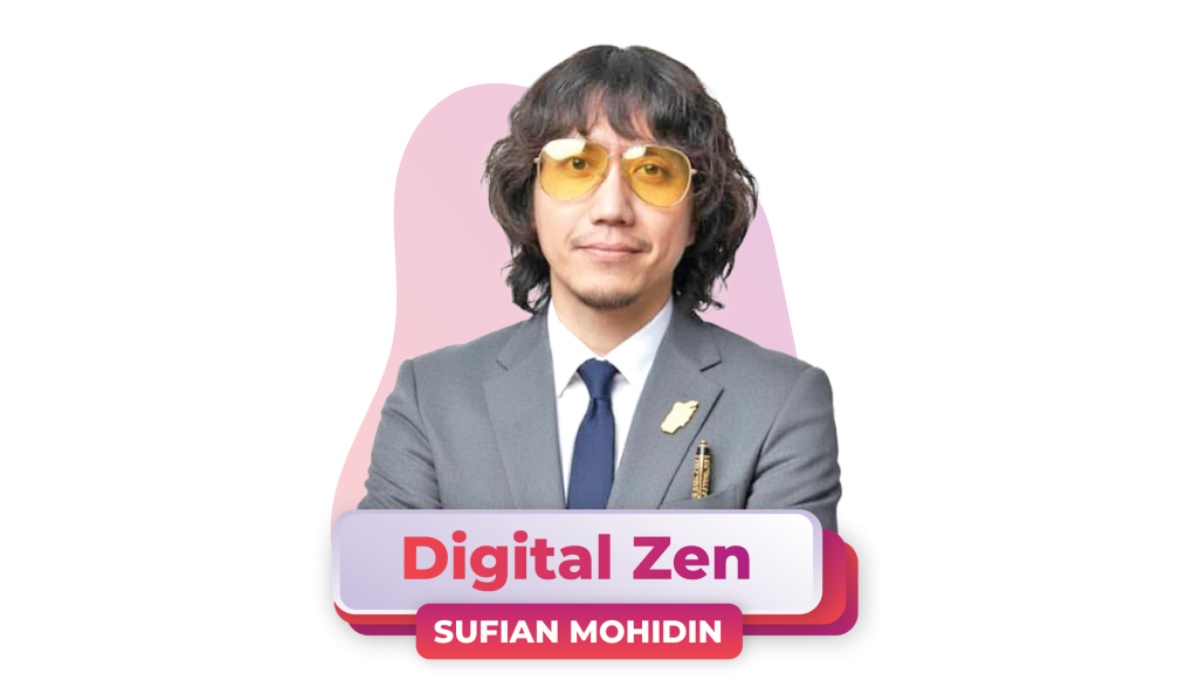
WITH rising concerns over data privacy, this article explores the Data Privacy & Security section of your handout.
It outlines risks such as data breaches, phishing scams and unsecured networks, and shares practical strategies including staff training, GDPR (General Data Protection Regulation) compliance and secure guest Wi-Fi.
This article is especially relevant for Sarawak hotel operators aiming to uphold guest trust as they transition into digital operations.
In the age of smart hotels, online bookings and AI-powered guest experiences, the hospitality industry is becoming increasingly digital and vulnerable.
With every swipe, click and digital check-in, guests entrust us with their personal data. That trust must be protected.
Cybersecurity is no longer an IT issue; it is a business priority. For hotels and resorts in Sarawak, as we embrace digital transformation, safeguarding guest data is crucial not only for compliance but also for maintaining our reputation and guest confidence.
Why Cybersecurity Matters in Hospitality
Hotels are prime targets for cyberattacks. We handle large volumes of sensitive data daily, such as names, credit card details, passport numbers, travel itineraries and more.
Guests use our Wi-Fi networks, make mobile payments and interact with our apps. Every touchpoint is a potential entry point for cybercriminals.
Unfortunately, high-profile breaches are on the rise. From the Marriott data breach affecting over 500 million guests to phishing attacks on global hotel chains, the threat is real.
Even local properties, if unprotected, could fall victim to ransomware or data theft that disrupts operations and damages trust.
Common Threats in Hotel Environments
1. Data Breaches
These occur when hackers gain unauthorised access to guest databases, booking systems or payment gateways. The consequences include financial loss, legal liability and irreparable brand damage.
2. Ransomware Attacks
This type of malware locks critical systems until a ransom is paid. In hospitality, this could mean frozen reservations, locked property management systems, or even guests being turned away due to system outages.
3. Phishing Scams
Fake emails pretending to be from senior management or suppliers can trick staff into revealing passwords or downloading malware.
4. Unsecured Wi-Fi Networks
Hotels often offer free Wi-Fi, but without proper encryption or segmentation, these networks become playgrounds for cybercriminals to intercept guest data.
5. Outdated Software and Legacy Systems
Old systems that have not been patched or updated are easier to exploit. Many hotels in Malaysia still rely on outdated PMS and POS software, exposing themselves to known vulnerabilities.
Data Privacy Standards: GDPR and Malaysia’s PDPA
Globally, data protection regulations such as the EU’s General Data Protection Regulation (GDPR) set a high benchmark for how businesses should manage personal data. In Malaysia, the Personal Data Protection Act 2010 provides a legal framework governing the collection, use and protection of personal information in commercial transactions.
While there are differences in scope and enforcement, both frameworks share common principles highly relevant to the hospitality industry.
Key principles aligned across GDPR and PDPA include:
• Consent: Guests must be clearly informed and give permission for their data to be collected and used.
• Transparency: Hotels must disclose how data is collected, used, stored and shared.
• Security: Adequate measures must be in place to safeguard data against unauthorised access or breaches.
• Data Rights: Guests have the right to access and request correction (under PDPA) and, in some cases, request deletion (as emphasised under GDPR).
For hotels in Sarawak that host international guests or work with global booking platforms, aligning with GDPR best practices while ensuring compliance with Malaysia’s PDPA is not just advisable, but essential in building trust and maintaining a strong reputation in an increasingly data-conscious world.
Steps to Strengthen Cybersecurity in Hospitality
1. Implement Robust Access Controls
Use multi-factor authentication for staff accessing sensitive systems. Limit access based on roles — housekeeping staff should not access guest payment data.
2. Keep Systems Updated
Ensure all software, from your PMS to your POS terminals, is regularly patched and updated. Consider investing in cloud-based systems with built-in security protocols.
3. Secure Your Networks
Segment guest Wi-Fi from internal systems. Use strong encryption (WPA3) and routinely monitor for suspicious activity.
4. Conduct Regular Security Audits
Engage cybersecurity professionals to test your systems and identify vulnerabilities. Penetration testing and vulnerability scanning should form part of your regular routine.
5. Train Your Staff
Your team is your first line of defence. Conduct regular training to recognise phishing emails, follow data handling best practices and respond to incidents. A single careless click can undo even the best technology.
6. Have an Incident Response Plan
If a breach does occur, your team should know what to do: whom to notify, how to isolate affected systems, and how to inform guests. A clear and rehearsed plan reduces panic and minimises damage.
Building Guest Trust in a Digital Era
In hospitality, trust is everything. Guests choose hotels not only based on price or location, but also on how safe and respected they feel. Protecting their personal data is a non-negotiable part of that trust.
Communicate clearly with your guests about your data protection practices. Include privacy policies in booking confirmations. Provide options for data-sharing preferences. Transparency breeds confidence.
The Sarawak Context: A Time to Act
As more Sarawak hotels digitise their operations – adopting mobile check-ins, online booking engines and smart room systems – the risks also grow. But so does the opportunity to lead by example.
Hospitality players here can partner with training providers and cybersecurity consultants to upskill their teams, adopt global standards and showcase Sarawak as a destination that values safety, not just physical but also digital.
Let us also encourage industry-wide collaboration. Shared knowledge, joint training programmes and collective response plans will strengthen the entire ecosystem.
Conclusion: Cybersecurity is Guest Service
In this digital age, cybersecurity is no longer just a technical requirement – it is a service standard. Just as we invest in bedsheets, breakfast buffets and friendly smiles, we must invest in firewalls, encryption and staff awareness.
Because when guests hand us their personal data, they are not just checking into a room – they are checking into our trust. And it is our duty to protect it.
The views expressed here are those of the writer and do not necessarily represent the views of Sarawak Tribune.