KUCHING: The federal government’s proposed shift from the RM400 monthly BUDI Diesel cash assistance to a targeted fuel quota mechanism should consider Sarawak’s unique geographical and economic realities.
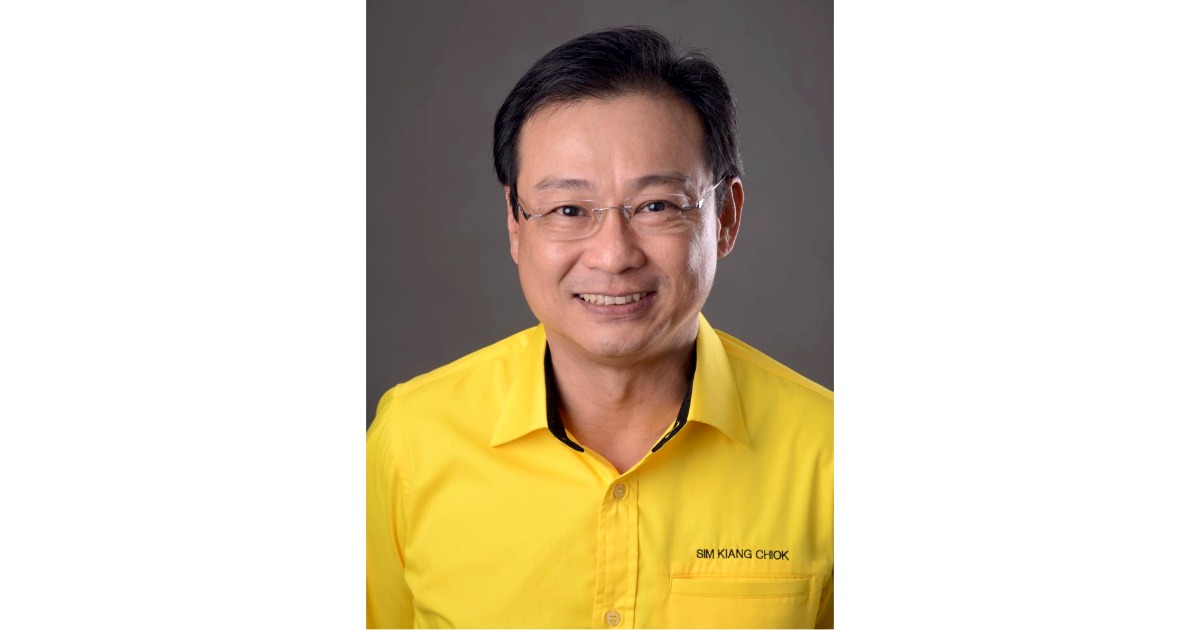
While acknowledging the rationale behind subsidy rationalisation, Sarawak Housing and Real Estate Developers’ Association (SHEDA) advisor Datuk Sim Kiang Chiok said the policy’s effectiveness would depend on whether allocations adequately reflect actual fuel consumption needs in the state.
“The federal government’s move to replace the RM400 monthly cash assistance under BUDI Diesel with a targeted fuel quota mechanism is understandable from the standpoint of subsidy rationalisation and reducing leakages,” he commented in a press statement yesterday (June23).
Sim noted that the new mechanism, which offers subsidised diesel at RM2.10 per litre for up to 200 litres monthly, with an additional 100 litres for eligible pickup truck and SUV owners, may sufficiently cover the needs of many private motorists.
However, he stressed that with Sarawak’s vast geography, coupled with limited public transport options in many rural and interior areas, compels that residents often travel significantly longer distance than their counterparts in Peninsular Malaysia.
“Many small business owners, contractors, farmers, transport operators and workers rely heavily on diesel-powered vehicles to travel between towns, project sites and plantations,” he said, adding that fuel quotas must remain practical and responsive to local conditions.
Sim welcomed the additional allocation for pickup truck owners but urged the federal government to continuously monitor fuel usage patterns in Sarawak and Sabah to ensure the quotas remain adequate over time.
He also called for greater attention to industries that consume diesel in much larger volumes, including construction, logistics, manufacturing, quarrying and transportation, which he described as key pillars of Sarawak’s economy.
According to Sim, insufficient subsidised diesel allocations for these sectors could increase operating costs, leading to higher construction material prices, rising logistics expenses, more expensive manufactured goods and greater pressure on housing affordability.
“The objective of subsidy reform should be to eliminate leakages without undermining economic productivity,” he said, urging the Ministry of Finance to maintain sufficient allocations under the Subsidised Diesel Control System (SKDS) and introduce flexible review mechanisms based on operational requirements.
He added that any fiscal savings arising from subsidy reforms and easing global fuel price pressures should be channeled towards supporting productive sectors and cushioning impacts on businesses and consumers, particularly in Sarawak where transportation remains a critical economic lifeline.