KUCHING: Sarawak must focus on three key priorities as it moves forward in strengthening its clean energy transition and building a more sustainable and competitive economy.
Deputy Premier Datuk Amar Awang Tengah Ali Hasan said the priorities are to scale up and integrate clean energy, convert clean energy into industrial value, and turn sustainability into a global market advantage.
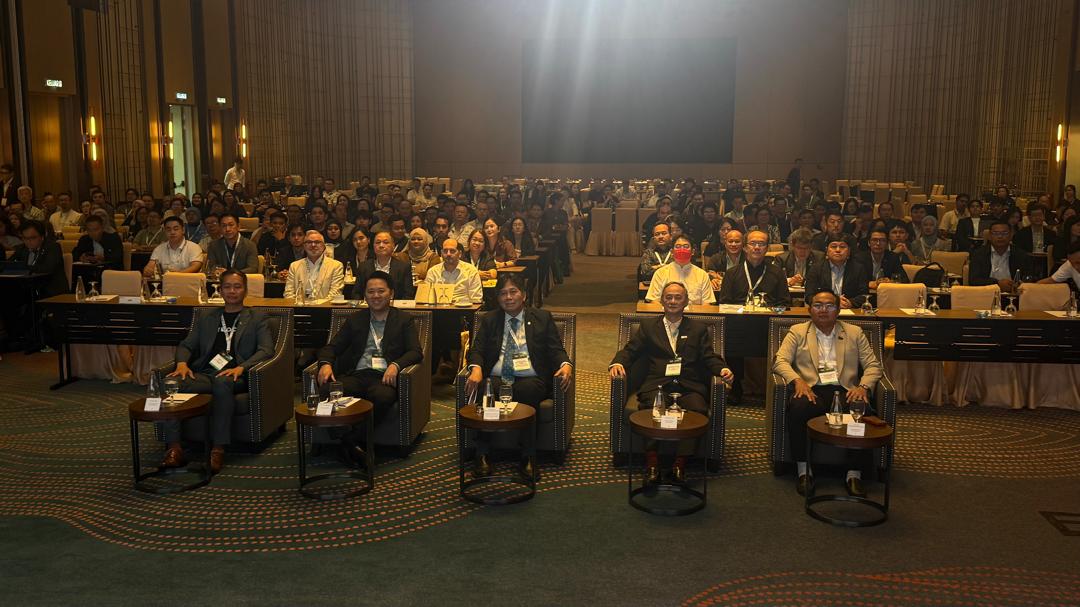
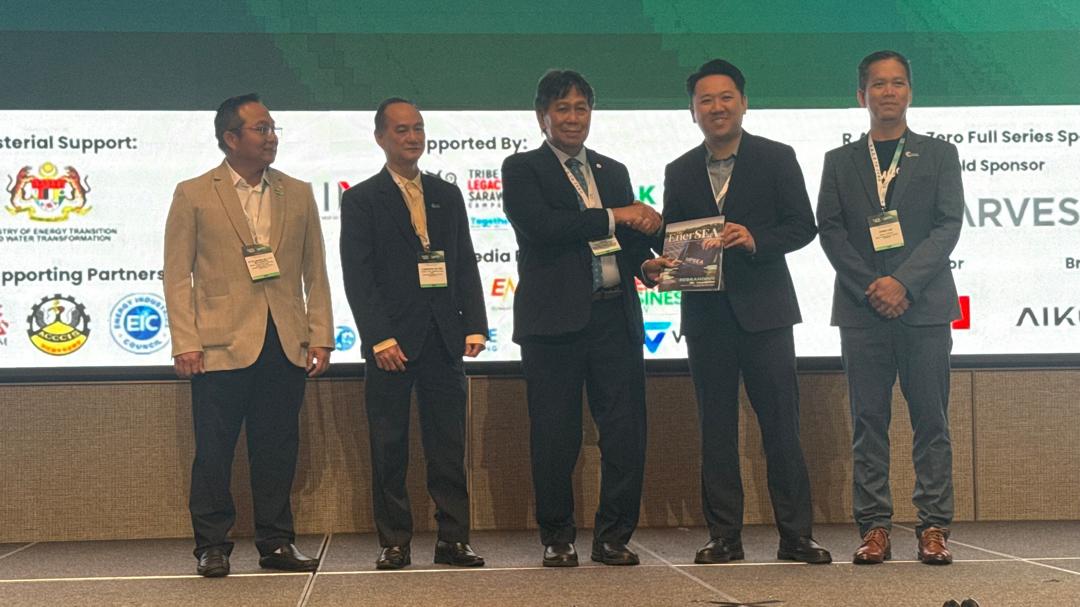
“First, we must scale up and integrate clean energy. Hydropower will remain an important foundation, while solar, biomass, energy storage and other emerging technologies will strengthen our renewable energy mix,” he said this in his speech in conjunction with the R.A.C.E To ZERO Kuching Edition held here, today.
His speech was read out by Deputy Minister for International Trade, Industry and Investment Datuk Dr Malcolm Mussen Lamoh.
Awang Tengah, who is also the Minister for International Trade, Industry and Investment added that this must be supported by continued investment in transmission, distribution and grid infrastructure to ensure a reliable and resilient energy system.
On the second priority, he said Sarawak’s success should not be measured solely by the amount of renewable energy generated, but also by the industries attracted, value chains developed, technologies anchored, businesses grown and quality jobs created.
“Clean energy must become a driver of industrial transformation,” he said.
He said the third priority is to turn sustainability into a global market advantage by helping local companies, particularly small and medium enterprises (SMEs), develop the capabilities needed to meet international sustainability standards.
This, he said, would enable them to participate in global supply chains and compete in a low carbon economy.
“In simple terms, clean energy provides the foundation. Industry converts it into economic value. Sustainability strengthens our access to global markets. This is the direction we must pursue,” he said.
Meanwhile, Awang Tengah said Sarawak’s opportunities extended beyond its borders, particularly with ASEAN’s continued industrialisation and economic growth expected to drive greater demand for energy.
At the same time, he said governments and businesses are increasingly seeking cleaner and more sustainable energy sources, creating an important opportunity for Sarawak.
He said the state’s location, resources and economic strengths positioned it to participate in greater regional cooperation in areas including energy connectivity, investment, technology and supply chains.
“The future will increasingly be built through partnerships,” he said.
Awang Tengah stressed that no single government, company or institution could deliver the energy transition alone, adding that stronger collaboration was needed among governments, industry, investors, financial institutions, technology providers, universities and research institutions.
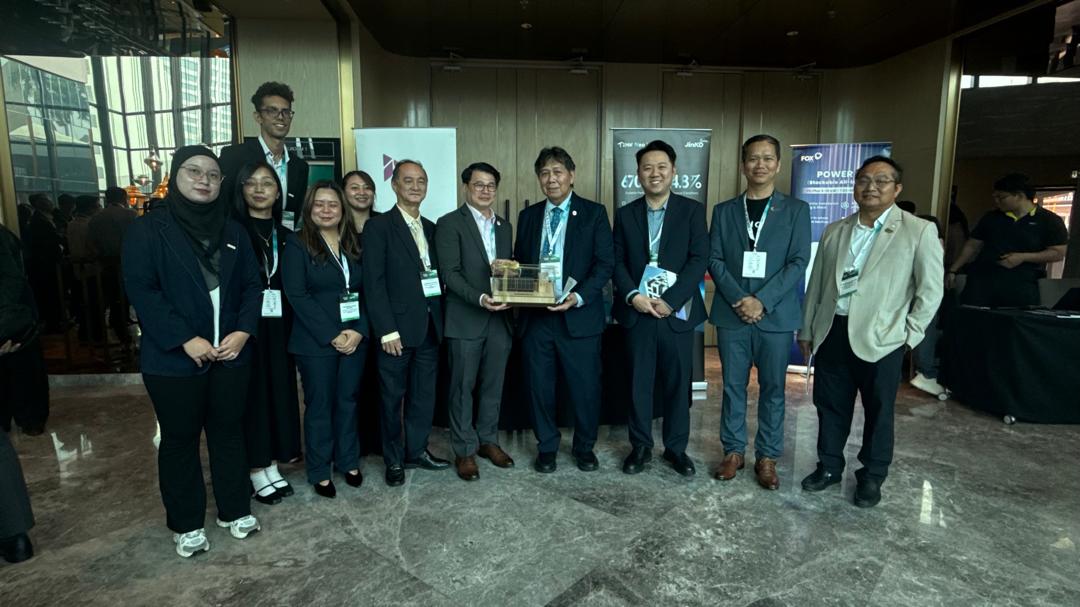
He said platforms such as R.A.C.E To ZERO are important as they brought these stakeholders together while providing a platform to develop practical solutions, identify projects and mobilise investment.