KUCHING: Several raw water intake sources in Sarawak are beginning to decline amid prolonged hot and dry weather, posing a challenge to efforts to maintain a continuous water supply.
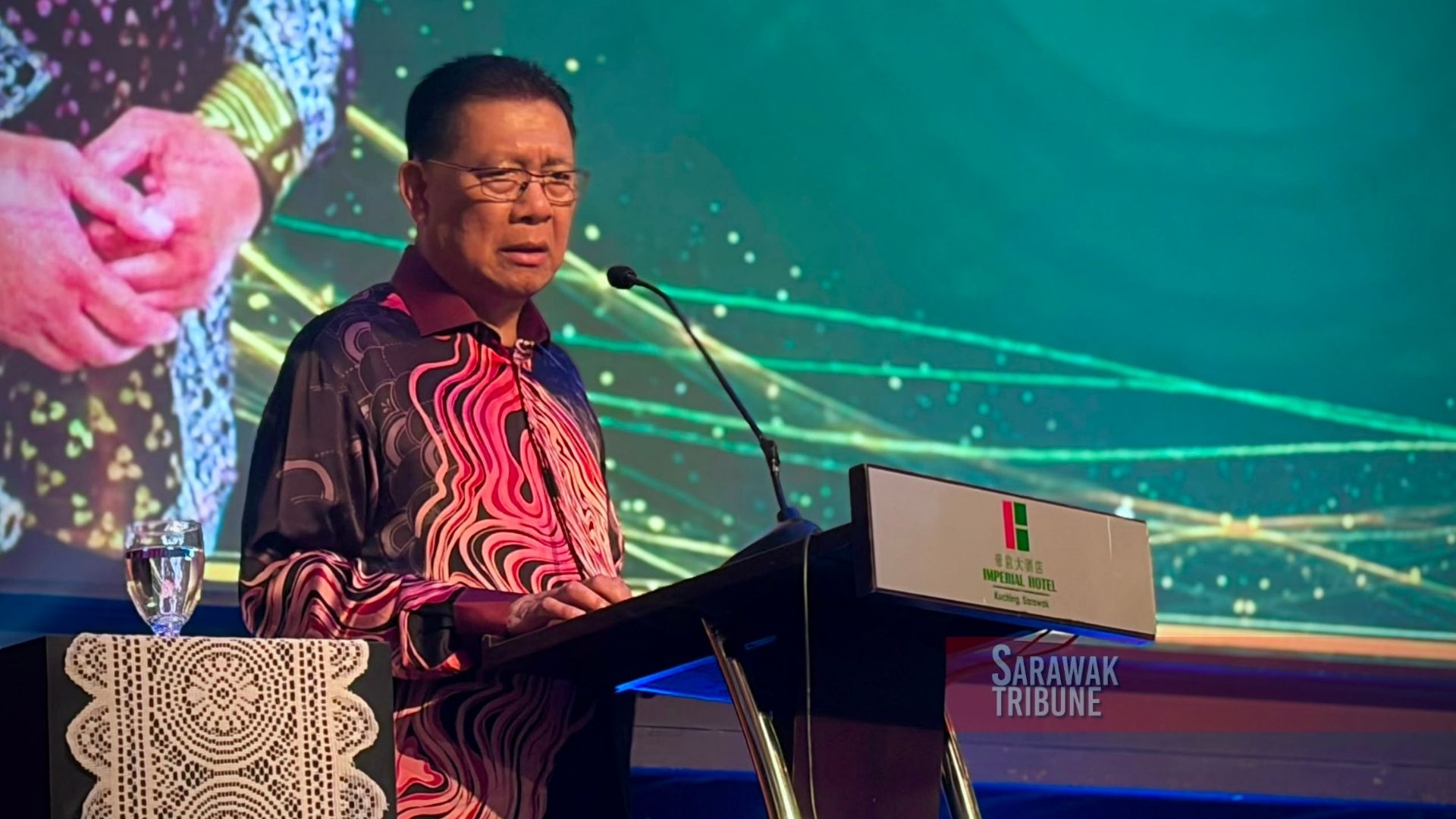
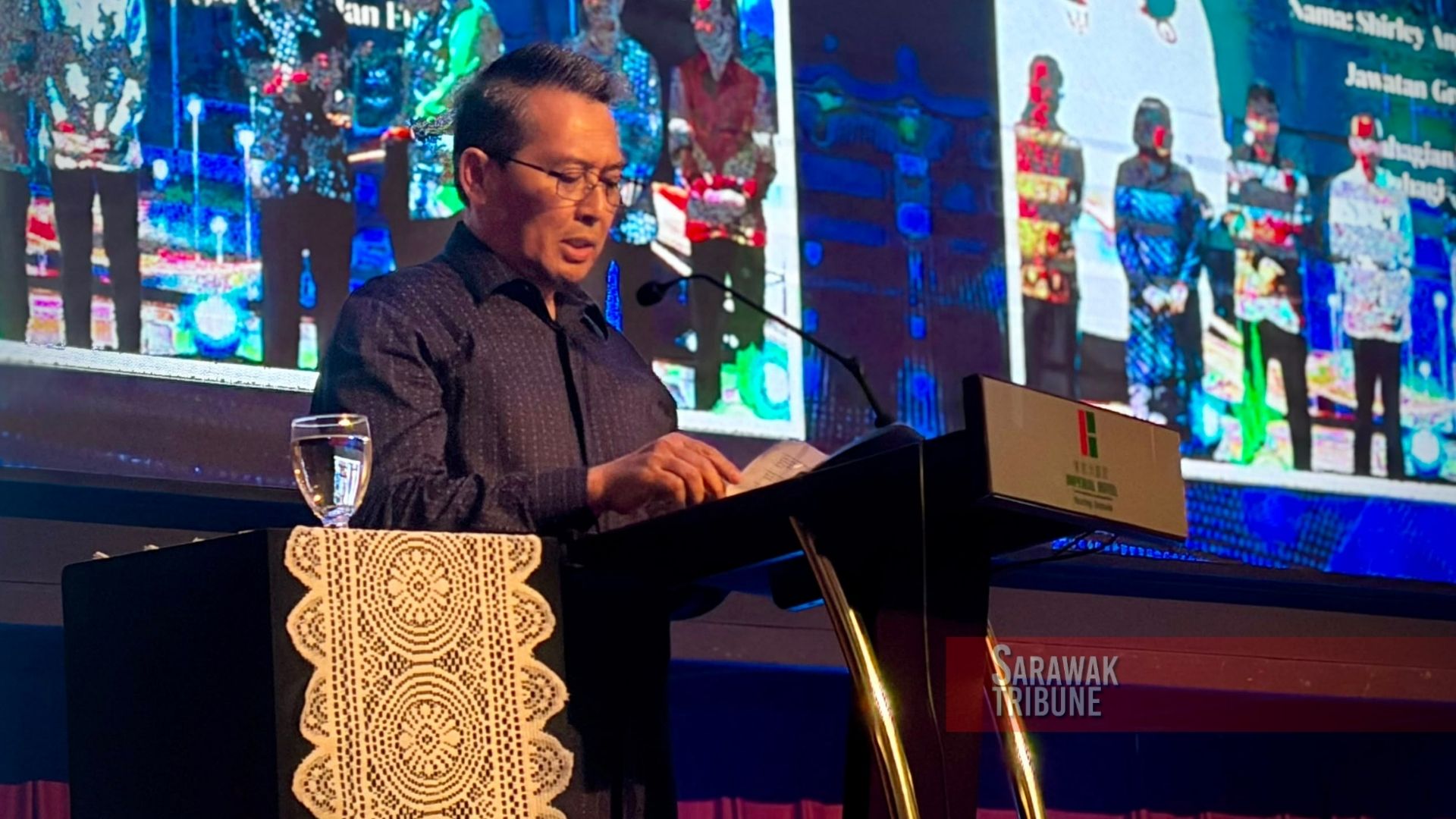
Minister of Utility and Telecommunication Datuk Seri Julaihi Narawi said the situation was among the key challenges faced by the Sarawak Government, particularly with the state also experiencing haze and the effects of the El Nino phenomenon.
“Now, we are facing very hot conditions while at the same time dealing with haze. In fact, at several places, our raw water intake sources are beginning to decline.
“This is a major challenge, particularly for agencies such as the Rural Water Supply Department (JBALB) and LAKU Management Sdn Bhd, which implement and manage water supply for residents throughout the state,” he said.
Julaihi said the situation called for more careful planning to ensure the implementation of water supply projects, alongside electricity and telecommunications projects, could continue smoothly.
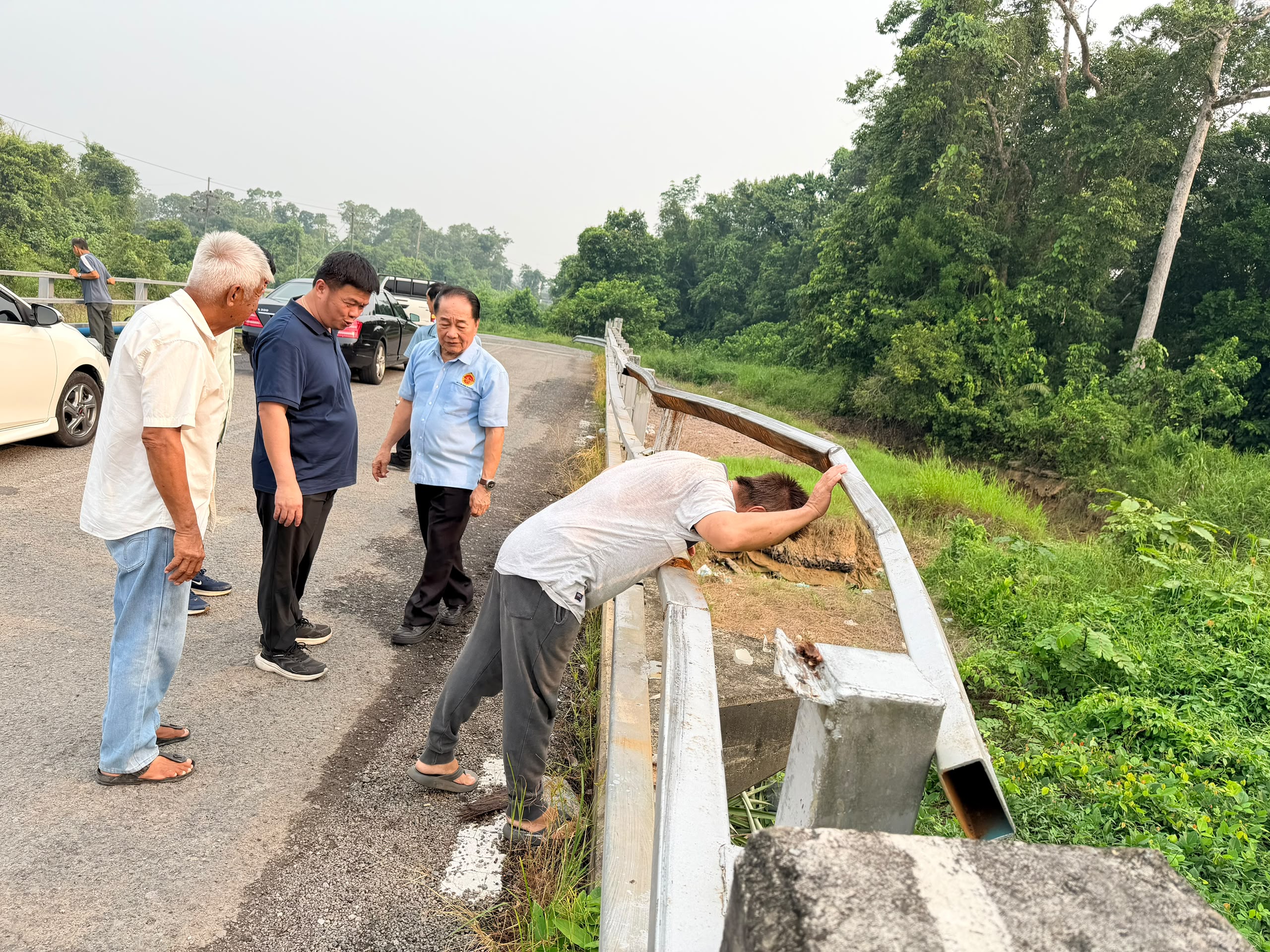
He said the ministry was also facing challenges involving damage to utility infrastructure caused by construction works, particularly in Kuching and Samarahan.
“Sometimes, we are also affected by mistakes made during works carried out along our utility corridors.
“These include damaged distribution pipes and cables, water supply disruptions, cloudy water and low water pressure. At certain times, we also face electricity and telecommunications disruptions due to projects being carried out simultaneously statewide,” he added.
Julaihi said the ministry had urged agencies and project implementers to exercise greater care when carrying out works at construction sites, particularly in areas with existing utility pipe and cable networks.
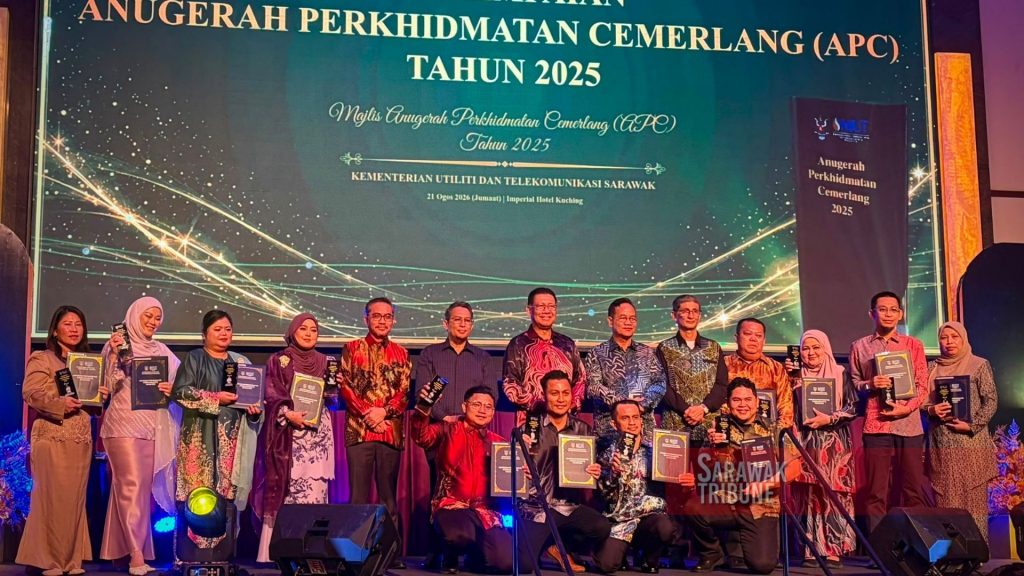
He said this at the Ministry of Utility and Telecommunication’s 2025 Excellent Service Award (APC) ceremony on Friday night (Aug 20).
Meanwhile, Permanent Secretary of the Ministry of Utility and Telecommunication, Datuk Jafri Lias said excellence in service must go hand in hand with integrity.
He said the ministry had taken proactive steps to develop an Anti-Bribery Management System (ABMS) to strengthen the culture of integrity and prevent corruption within the organisation.
“On Aug 10, the ministry launched four key policies covering anti-bribery, management of conflicts of interest, management of gifts and whistleblowing. We are aiming to obtain ABMS certification by November 2026,” he said.
The ceremony also saw 12 staff receiving the Excellent Service Award (APC), while another 125 received the Excellent Performance Recognition (PPC) after achieving an Annual Performance Assessment Report (LNPT) score of 85 per cent and above.
The ceremony also honoured winners of the Innovative and Creative Circle (ICC) Mini Convention 2026 held on June 24.