WHAT was meant to be a routine final follow-up appointment led to the early detection of stage one nasopharyngeal carcinoma (NPC), or cancer of the nasopharynx, for a law lecturer in January 2020.
Khadijah ‘Ainaa Raouf Al-Samarraie, 43, said she had almost cancelled the appointment because the fever and persistent cough she had suffered for nearly six months after returning from a holiday in mid-2019 had already subsided.
“I underwent several tests, including screenings for bronchitis and tuberculosis, but doctors found nothing serious. But before discharging me from follow-up care, I was referred to an ENT (ear, nose and throat) specialist for further examination.
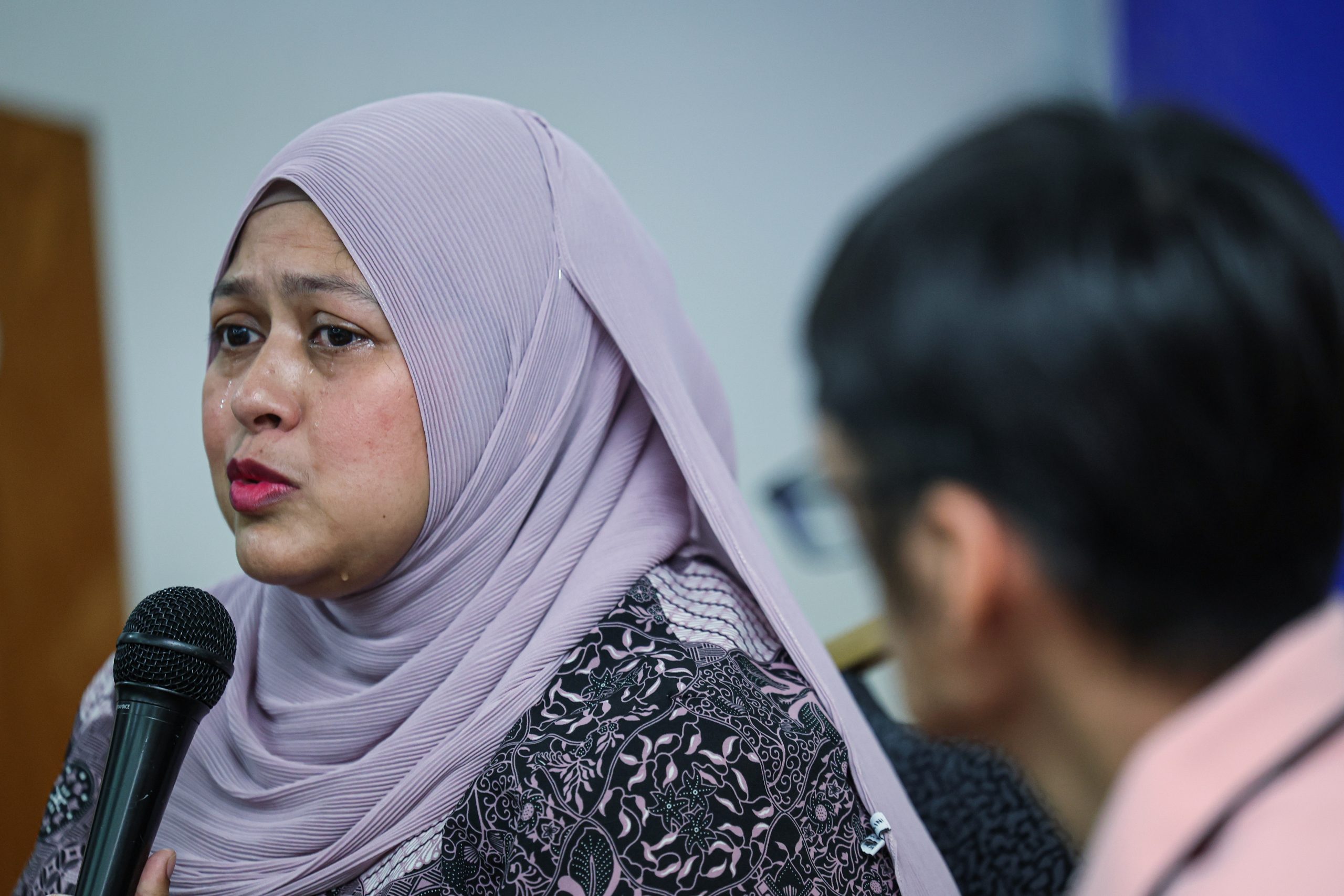
“It revealed a tumour behind my nasal cavity,” she told reporters after the launch of the World Head and Neck Cancer Day event at Hospital Canselor Tuanku Muhriz, Universiti Kebangsaan Malaysia (HCTM UKM), in Kuala Lumpur recently. A biopsy later confirmed that she had stage one nasopharyngeal carcinoma, which was close to progressing to stage two.
Khadijah said she had never suspected she had cancer because there were no lumps, pain, or visible physical symptoms.
“When the doctor told me I had cancer, I broke down in tears. I kept wondering where the cancer was because I couldn’t see or feel anything. I don’t smoke either. But cancer does run in my family. My mother is a breast cancer survivor,” she said.
She underwent one cycle of chemotherapy first before beginning 33 sessions of radiotherapy over seven weeks at HCTM UKM. She was also on medical leave for nearly two years.
“Seven weeks may sound short, but while going through it, it felt like it was seven months because the pain became much worse after the third week of treatment,” said Khadijah, who documented her cancer journey on her Instagram account, @odi172.
Today, more than five years after her diagnosis and completing radiotherapy in March 2020, Khadijah is cancer-free.
Recalling her treatment, she admitted that there were moments when she almost gave up because the pain during treatment was unbearable.
She also experienced persistent vomiting whenever she ate or drank, which eventually caused a slipped spinal disc that compressed a nerve, leaving her paralysed for six months.
“I had to undergo surgery to relieve the pressure on the nerve, followed by physiotherapy to learn how to walk again. It took me about a year and a half before I could walk normally,” she said.
Khadijah said her battle with cancer taught her that there is no need to hide one’s fear or sadness, but it is important to keep fighting and seek treatment.
“It’s okay to cry because it reminds us that we’re only human. But we must keep fighting and continue with treatment,” she said, adding that the unwavering support of her family gave her the strength to persevere throughout her journey.
Meanwhile, HCTM UKM consultant otorhinolaryngologist and head and neck surgeon Dr Lum Sai Guan said NPC develops in the upper part of the throat behind the nose, making it difficult to detect in its early stages because of its hidden location.
“Common warning signs include a painless lump in the neck, persistent blocked ears, ringing in the ears, and blood-stained nasal discharge,” he said.
Dr Lum said the risk factors for NPC include genetic predisposition, infection with the Epstein-Barr virus, frequent consumption of preserved foods or salted fish from a young age, smoking, and alcohol consumption. The disease is also more commonly found among men of southern Chinese or Southeast Asian descent.
He stressed that early detection is crucial to improving treatment outcomes and reducing the need for more aggressive therapies that can leave patients with long-term side effects. – BERNAMA