This Earth Day’s ‘Our Power, Our Planet’ theme comes into focus through one man’s solar-powered routine — where energy is managed, not just consumed.
Keeping the Lights On
Every year on April 22, Earth Day arrives with a familiar message — to think about the planet, to reconsider how energy is used, and to imagine more sustainable ways of living.
But away from global campaigns and policy discussions, sustainability often reveals itself in quieter, more practical ways — inside ordinary homes, in everyday routines, at the exact moment when the power goes out.
For Francis Alson Mawin, a senior manager at Sarawak Energy Berhad, that moment is no longer disruptive.
It once was.
During a recent family gathering, the house was filled with conversation and laughter when the electricity suddenly cut out. What would normally have stalled the evening did not even slow it down.
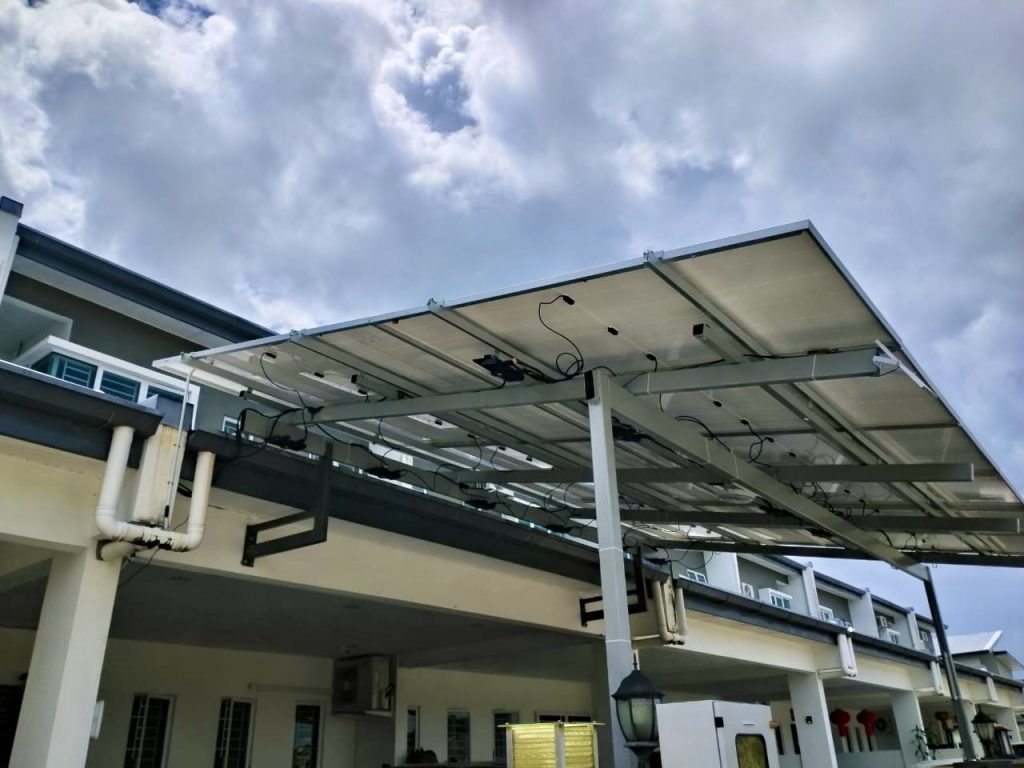
“Yes, there was a moment when solar power really proved its value,” he said.
The backup system took over instantly, keeping the lights on and even allowing the karaoke and PA system to continue without interruption.
“It kept the whole event going and saved us from a potentially awkward blackout in the middle of the celebration.”
There was no rush for candles, no pause in the moment — only continuity.
A system behind everyday life
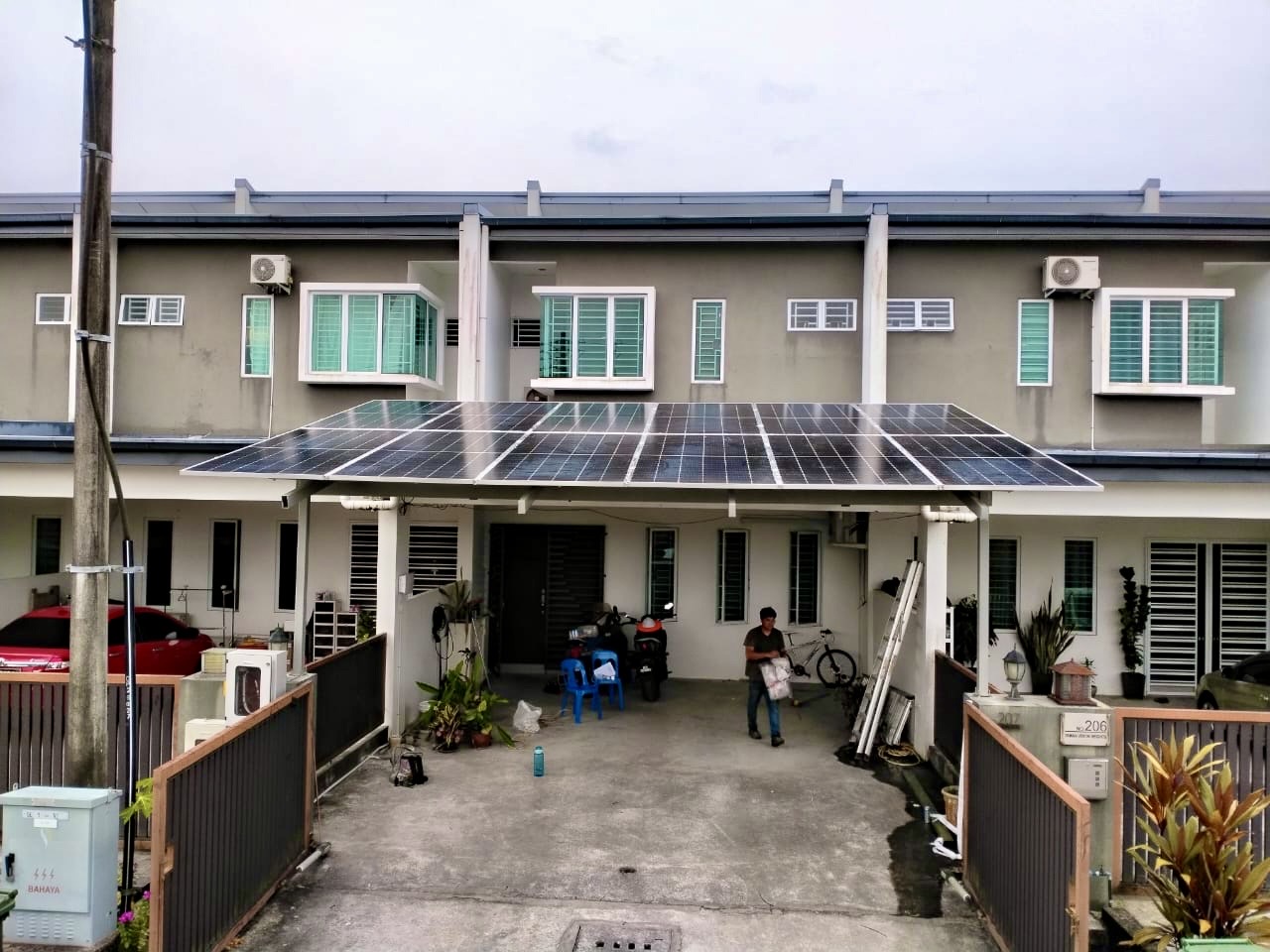
For Francis, solar energy is not a symbolic gesture. It is a practical system designed to keep essential parts of his home running when the grid fails.

It supports the basics: lighting, water pumps for his fish tanks, and low-capacity appliances such as inverter refrigerators — the systems he prioritises when supply is unstable.
“Solar plays an important role in keeping my essential needs running smoothly, especially during blackouts or supply disruptions,” he explained.
These essentials continue operating without interruption, while the grid remains a backup when needed.
The setup is designed around balance rather than full independence. When battery levels fall below a preset threshold, a hybrid inverter automatically shifts supply back to the grid, protecting the battery from over-discharge while maintaining uninterrupted power to critical appliances.
In practice, it is a quiet handover between two systems — one stored, one supplied — working in coordination rather than competition.
From necessity to curiosity
The decision to install solar panels was originally driven by reliability. Power disruptions made it difficult to depend entirely on the grid for essential household needs.
But what began as a practical solution soon became something more personal.
Francis developed a deep interest in how photovoltaic systems function — from hybrid inverters to battery charge cycles and grid-switching mechanisms. Installing solar gave him the chance to learn by doing, not just observing.
That curiosity extended further than expected. He eventually built his own backup battery system using reclaimed lithium cells from discarded laptops — a hands-on project that reduced waste while deepening his understanding of energy storage, cell balancing, and system design.
Still, the decision was not made lightly. The initial investment raised concerns about cost and long-term value.
Research helped ease those doubts. Quality solar panels, he learned, can retain around 85 per cent of their output even after 25 years of use, making them a long-term asset rather than a short-term experiment.
Over time, monitoring the system became part of his daily routine — checking battery levels, managing charge cycles, and ensuring everything operates within safe limits.
What once felt technical gradually became habitual.
More than savings, a shift in mindset
Financially, the impact has been modest. His system primarily supports low-load essentials, resulting in an estimated 15 per cent reduction in his monthly electricity bill.
But for Francis, the value lies elsewhere.
The experience of building and managing the system has become more meaningful than the savings themselves. It has also changed how he thinks about energy — not as something passive, but as something he can understand and influence.
Friends often ask him practical questions, particularly whether solar systems can support high-demand appliances such as air conditioners or how long batteries last without sunlight.
His response is always grounded in scale and design: performance depends on investment, and systems must be built according to intended use.
He also points out that hybrid setups — which combine solar with grid support — are often more sustainable for high-load households, as they prevent unnecessary strain on batteries.
For those considering solar, he highlights government-supported schemes such as Sarawak Energy’s Net Energy Metering (NEM), which allow excess energy to offset electricity bills and improve return on investment.
Beyond individual savings, Francis also sees the wider impact of the NEM scheme.
By allowing excess solar energy to be fed back into the grid, rooftop systems do not just benefit the homeowner. The surplus electricity can be used by nearby households, helping to support local demand and improve the overall efficiency of the power network.
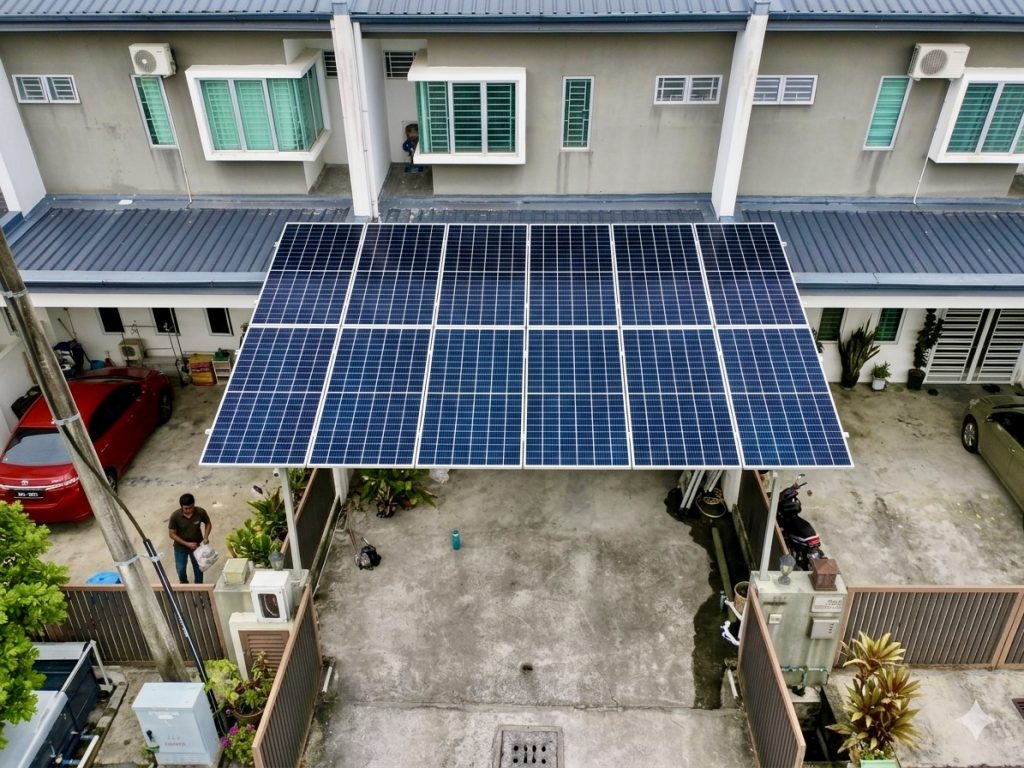
In this way, solar energy becomes more than a personal solution. It contributes to a broader shift — reducing reliance on fossil fuels while strengthening the resilience of the local electricity system.
For him, this wider benefit adds another layer of meaning to his setup: what is generated at home does not stop at the home.
He also notes that certified installation and warranty coverage make the process more secure than many assume, reducing concerns about reliability.
Still, beyond technical and financial considerations, the shift has been deeply personal.
“Having solar power gives me a strong sense of relief, control, and long-term peace of mind,” he said.
Solar energy — something that had interested him since childhood — has now become part of his daily reality.
Independence, comfort, and a changing future
That sense of control extends into how he sees the future. With the introduction of the NEM scheme, he now envisions a system in which he could eventually charge an electric vehicle using solar energy — without increasing his electricity costs.
The idea is not only about savings, but also about energy independence: generating, storing, and using power on his own terms.
Even at home, the benefits are noticeable beyond electricity bills. The solar panels also reduce heat absorption on the roof, slightly lowering indoor temperatures and improving comfort.
In addition, financial incentives and rebates improve the overall feasibility of the system, shortening the payback period and strengthening its long-term value.
Looking back, he has no hesitation about the decision.
“Yes, I would absolutely make the same decision to install solar panels again,” he said.
A quieter kind of sustainability
Francis’s experience does not present solar energy as a dramatic transformation or a complete break from the grid. Instead, it reflects something more realistic — a gradual shift in how energy is understood, managed, and used at the household level.
It is not about replacing systems entirely. It is about building resilience within them.
And in a world where conversations around Earth Day often focus on large-scale change, his story sits somewhere smaller, but perhaps more telling — a home where the lights stay on, not because the system is perfect, but because it is prepared.
In many ways, it echoes the spirit of this year’s Earth Day theme, “Our Power, Our Planet” — a reminder that meaningful change does not always begin with sweeping policies or global pledges, but with individual choices made consistently over time.
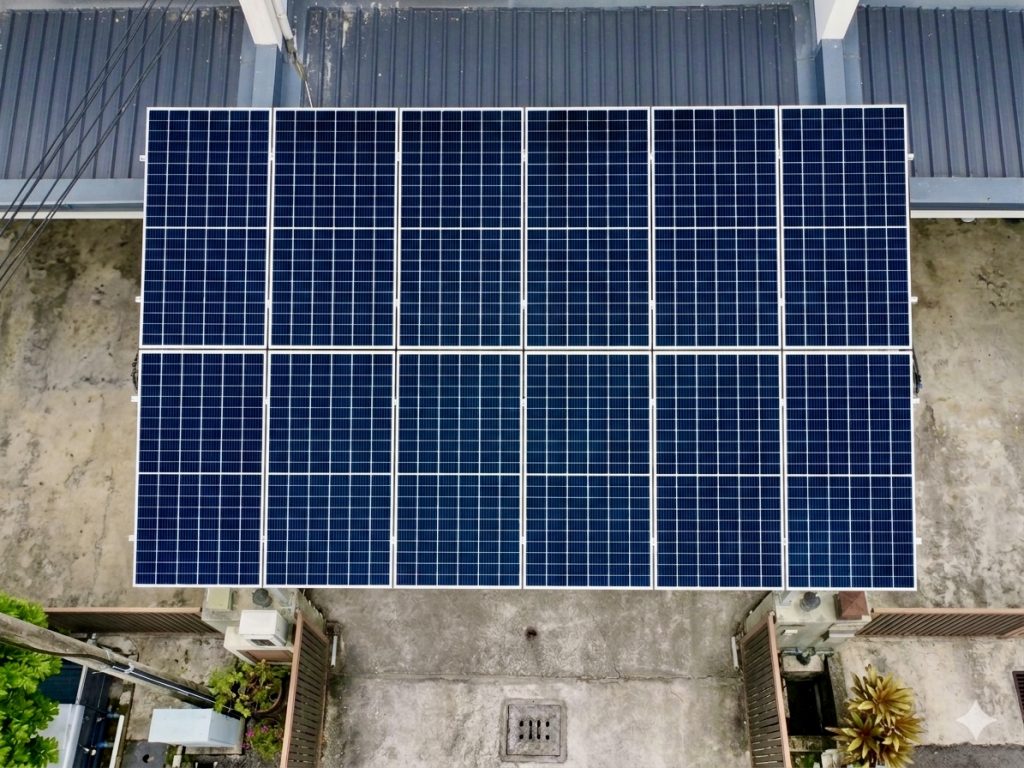
A solar panel on a rooftop. A battery carefully monitored each day. A system built, adjusted, and understood.
A quiet form of sustainability — not built on slogans, but embedded in daily life, where control is reclaimed one decision at a time, and where the future is shaped not in a single moment, but through what continues long after the lights go out elsewhere.