KUCHING: Sarawak is intensifying its economic shift to equip young people for emerging industries shaped by rapid advances in artificial intelligence and automation.
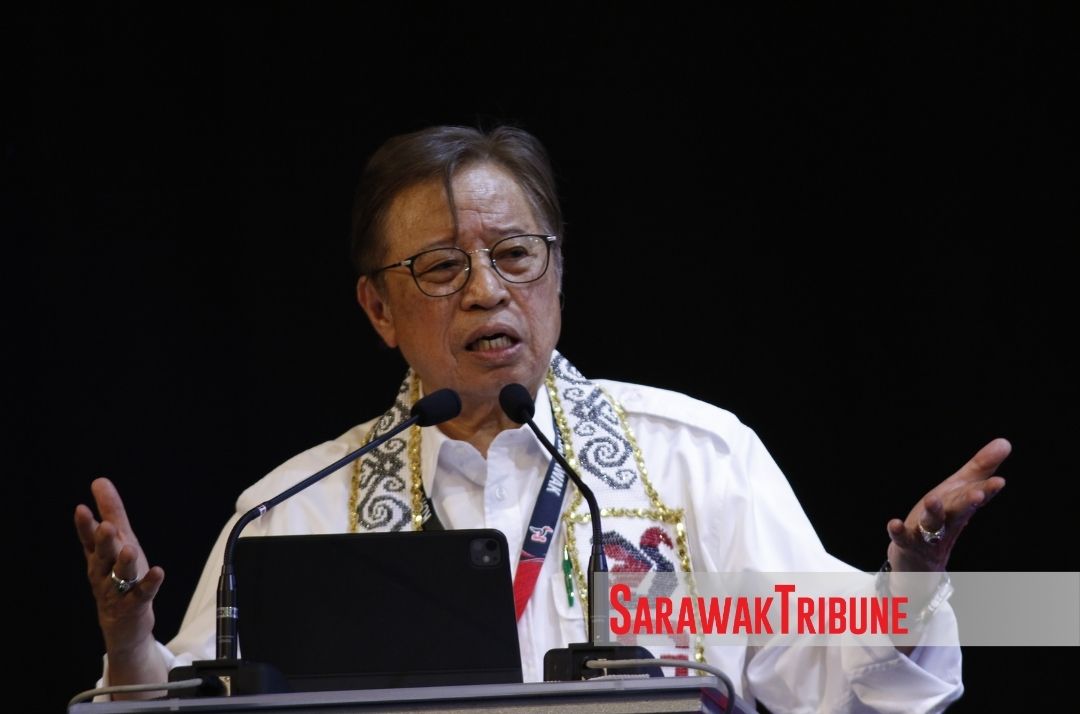
Premier Datuk Patinggi Tan Sri Abang Johari Tun Openg said the state government is actively restructuring its development strategy to align with new technological disciplines, ensuring that Sarawak’s workforce remains relevant in a fast-evolving global economy.
“What we are doing now is to shift our economy to provide jobs to young people because young people are trained in new disciplines,” he said, underscoring the urgency of adapting to change.
He highlighted how artificial intelligence (AI) is evolving at an unprecedented pace, moving from generative AI to what is now known as ‘agentic AI’ – systems capable of acting autonomously – and eventually towards strategic AI, which will further transform industries.
“This momentum of AI development is driven by new tools, particularly large language models (LLMs), which are being refined and expanded to create new applications, including advanced chips,” he explained.
Abang Johari noted that such rapid technological advancements are reshaping the economic landscape, prompting Sarawak to position itself within key sectors such as semiconductor and chip production.
He revealed that local semiconductor design and manufacturing (SMD) companies, supported by Sarawakian scientists, are already engaged in experimental and developmental work.
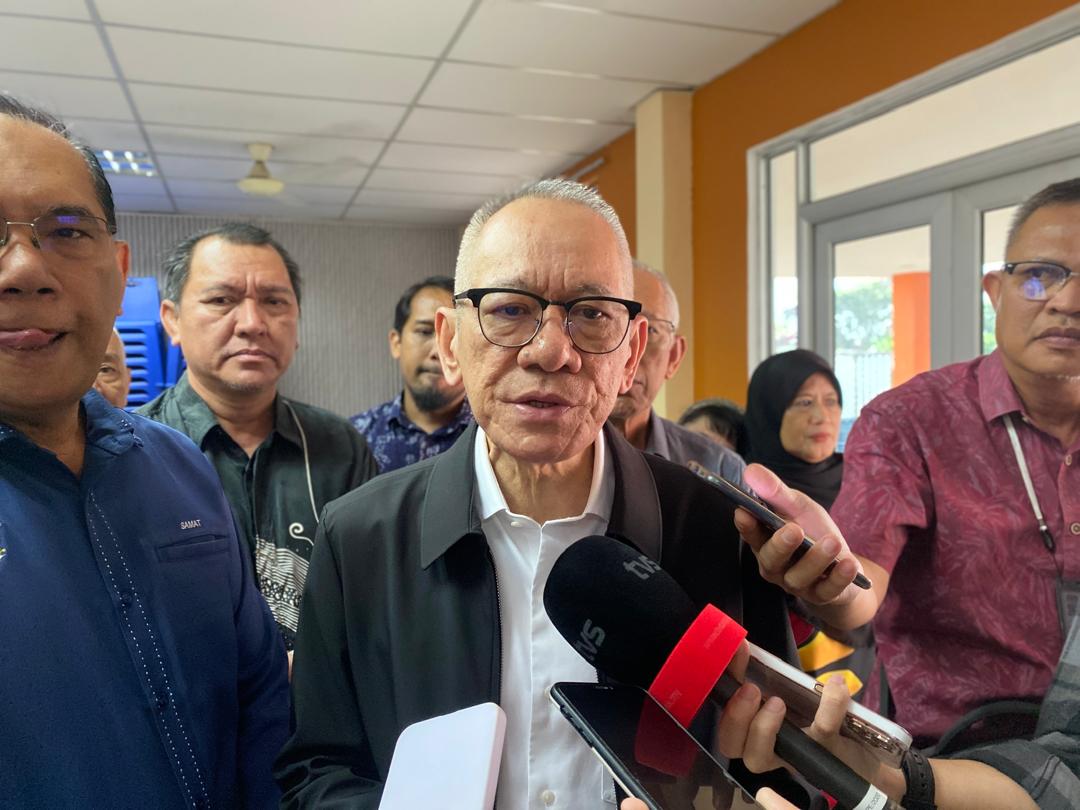
“These changes are happening very fast, and we are finding ways to play our role, especially in chip production,” he told a press conference during the GPS Convention 2026 at the Borneo Comvention Centre Borneo (BCCK) here today (April 19).
Beyond technology, the Premier stressed that cultural development remains integral to Sarawak’s long-term growth, forming part of a broader vision that stretches to 2037.
He said the government is sharing these future projections with stakeholders to ensure collective preparedness.
Central to this transformation is the impact of automation, which is expected to redefine workforce requirements.
Abang Johari pointed out that traditional skill sets are being replaced by new technical competencies, particularly in managing advanced tools and systems.
“Training will change because we now need technicians who can manage these new technologies,” he said.
He illustrated the shift by comparing conventional automotive maintenance with emerging hydrogen-based technologies, noting that the skills required today differ significantly from those in the fossil fuel era.
“In the past, technicians repaired cars based on fossil fuels. Today, with hydrogen, the whole maintenance ecosystem is different,” he added.
As Sarawak advances towards a high-tech, innovation-driven economy, the Premier emphasised that preparing its workforce – especially the younger generation – will be critical to sustaining growth and competitiveness in the years ahead.