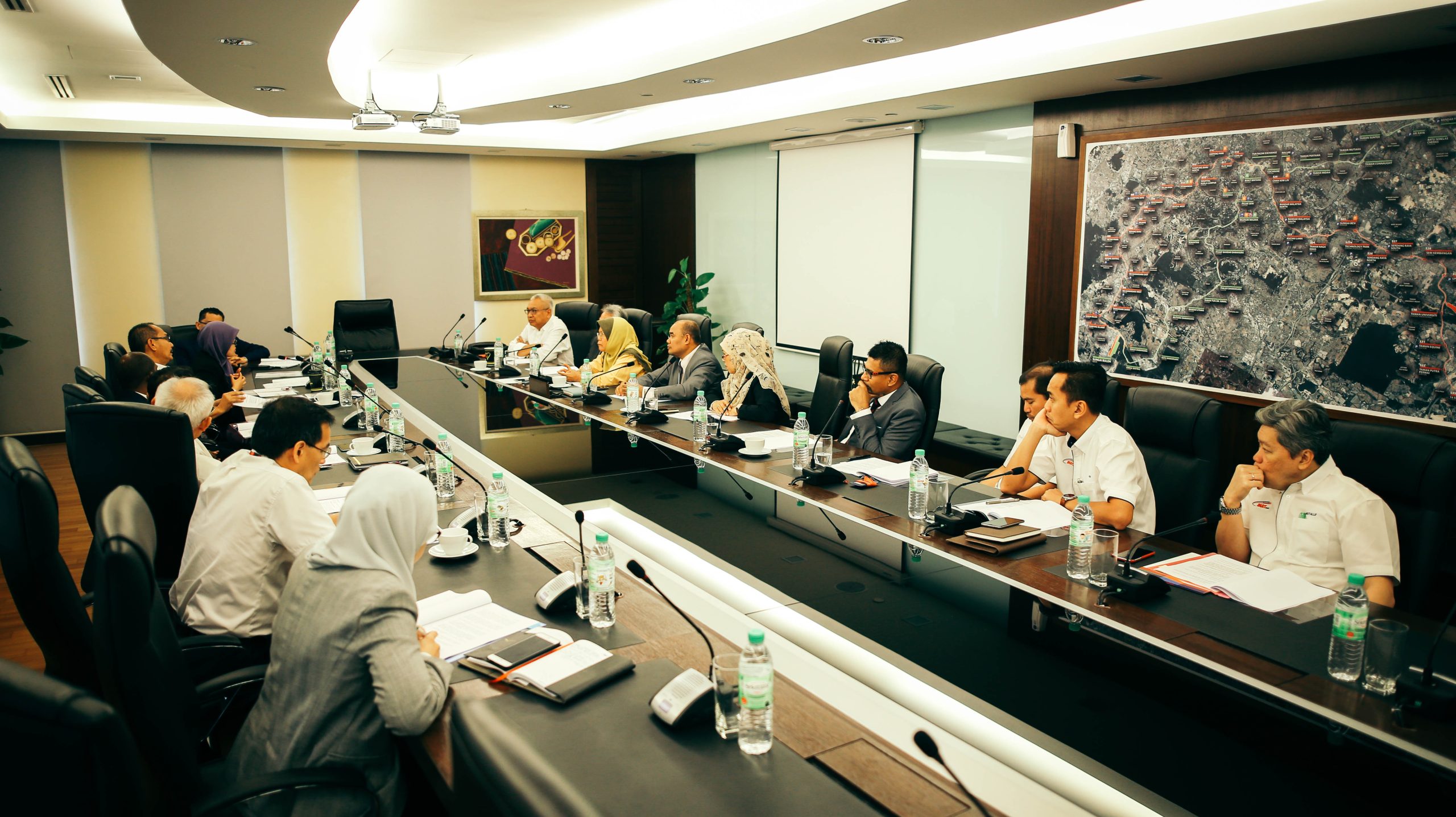
Boards should hold management accountable without interfering in daily operations
KUCHING: “Hold me accountable. Don’t tell me how to do my job.”
That principle sits at the heart of Pemandu group chairman Datuk Idris Jala’s view of corporate governance — boards should hold management responsible for results, not try to run the business themselves.
Founder and chief operating officer of McGirvanmedia (Asia) Mary Nair and AEON360 managing director Low Ngai Yuen said Idris’ experience as both a chief executive officer and chairman had shaped a clear division between the responsibilities of boards and management.
“The board only has four jobs,” Idris said.
Those are appointing the right CEO and holding the person accountable, focusing on results and the organisation’s “True North”, independently auditing and validating management, and protecting the company’s reputation and brand.
Everything else belongs to management.
Mary and Low said Idris put that philosophy into practice as CEO of Malaysia Airlines Bhd, telling shareholders at his first annual general meeting to judge him by his results rather than dictate how he should run the airline.
His message to directors was equally clear when management failed to perform.
“If management isn’t delivering, replace them. Don’t become them,” he said.
For Idris, effective governance also did not mean filling board agendas with operational discussions.
“Good boards are boring,” he said.
His board meetings rarely stretched beyond three or four hours because discussions focused on outcomes rather than activities.
But staying out of daily operations did not mean boards should be passive.
Mary and Low said Idris believed directors should challenge management with ambitious goals, including what he called an “Olympic” target — an objective impossible to reach through business as usual but achievable through fundamental change.
They said the approach helped shape Sunway Bhd’s transformation by forcing management to rethink the business rather than accept stagnant growth.
The same emphasis on better thinking shaped Idris’ approach to board diversity.
“Diversity isn’t the destination. Diversity of thinking is,” he said.
He championed greater representation of women on the boards of Heineken Malaysia Bhd and Sunway, while stressing the importance of diversity in age, ethnicity, experience and approaches to problem-solving.
For Mary and Low, who are steering committee members of 30 per cent Club Malaysia, the lesson extends beyond simply increasing the number of women in boardrooms.
“The case for women on boards has never simply been about representation.
“It is about creating boardrooms that think more broadly, challenge more deeply and govern more effectively,” they said.
Idris also believed fresh thinking required directors to step aside after nine years.
“If I stay longer, I not only risk losing independence, I also bring the same thinking,” he said.
Ultimately, his governance philosophy places responsibility at the very top.
“The path of mediocrity begins at the top,” Idris said.