MIRI: Artificial intelligence (AI) must become a practical skill for everyone, not just technology professionals, as Sarawak accelerates its ambition to build an inclusive, digitally driven economy.
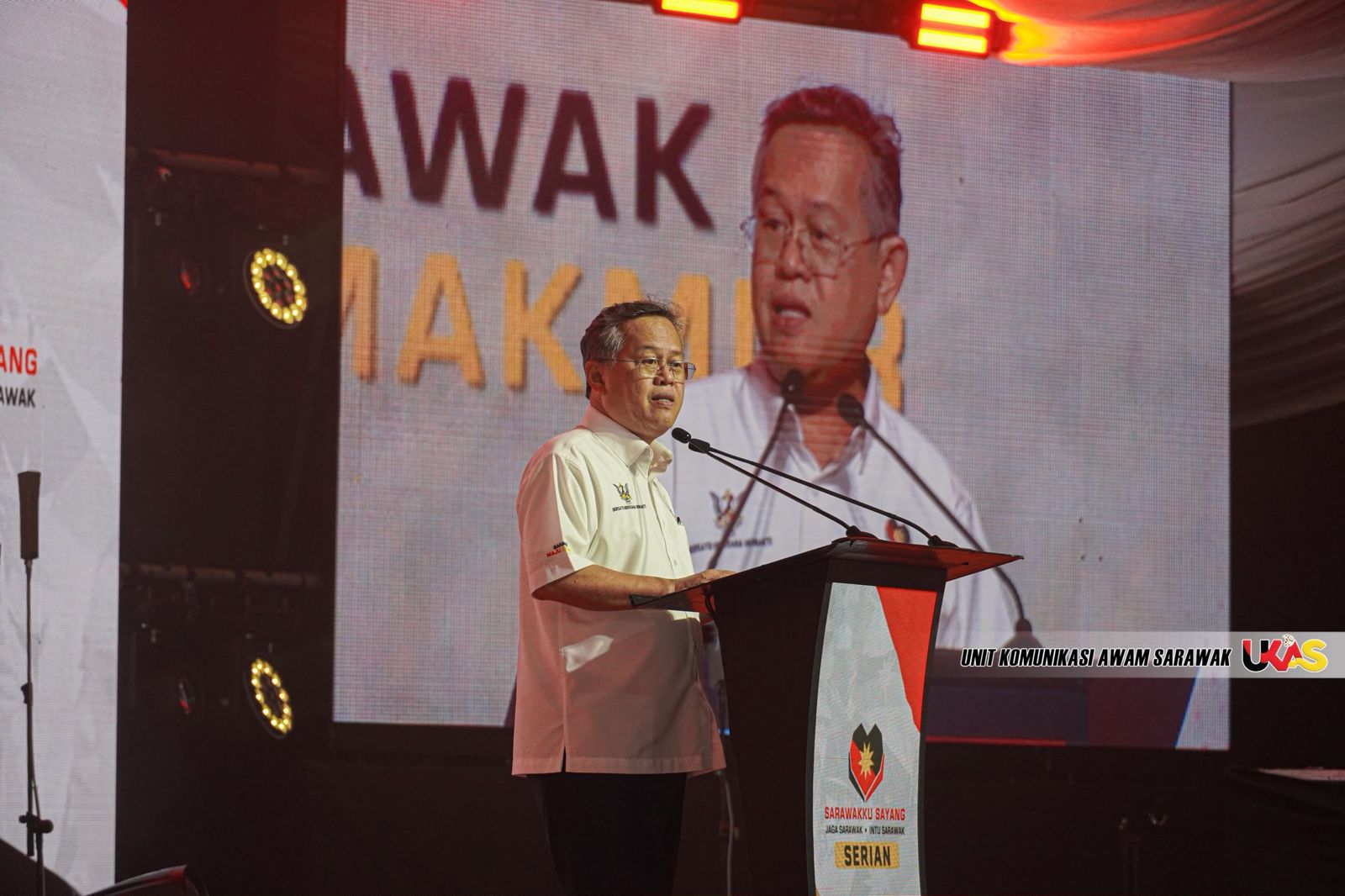
Caretaker Deputy Minister for Tourism, Creative Industry and Performing Arts, Datuk Sebastian Ting, said the challenge was no longer about understanding what AI was, but knowing how to use it effectively, responsibly and meaningfully in everyday life.
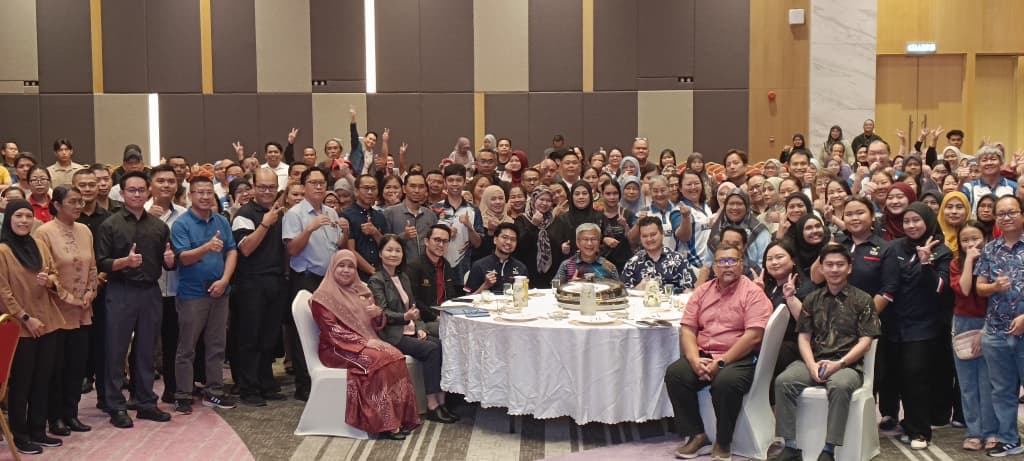
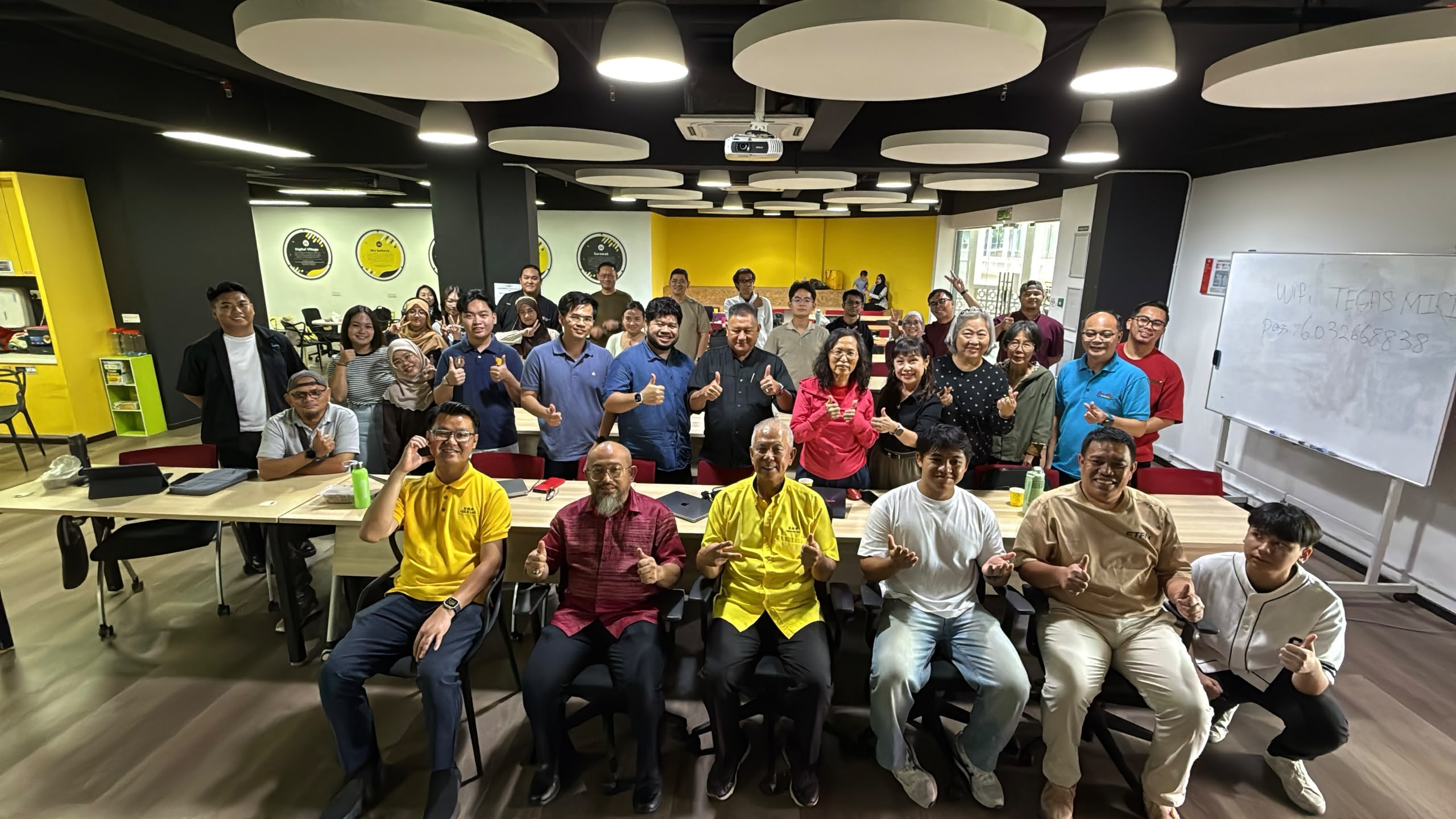
Speaking at the Basic AI Workshop for Miri Community at the TEGAS Digital Innovation Hub here Saturday, he stressed that AI literacy must extend beyond universities and technology companies to reach households, small businesses and communities across Sarawak.
“Knowing AI is here is the easy part. Using it well is the harder part,” he said, noting that AI was already becoming part of everyday life, from schools and workplaces to businesses and personal communication.
Ting said Sarawak’s digital transformation agenda, guided by the Post-Covid-19 Development Strategy 2030 (PCDS 2030), provided a strong foundation for the state to embrace emerging technologies and strengthen its digital economy.
He highlighted the state’s ongoing efforts to develop its digital ecosystem, including the Sarawak Digital Economy Strategy, the Second Sarawak Digital Economy Blueprint 2030, the Sarawak Artificial Intelligence Centre and the Sarawak AI Blueprint 2026–2030.
He also pointed to plans for a Kuching AI Data Campus as part of Sarawak’s broader ambition to strengthen its artificial intelligence capabilities.
However, he emphasised that investment in technology and infrastructure must go hand in hand with developing people and ensuring wider public participation.
“Talent is not only in universities and big companies. It is in our schools, our homes, our small shops and our kampung,” he said.
He described the community-based workshop as an important step towards making AI knowledge more accessible, particularly for students and young people preparing for future employment, parents seeking to understand the technology their children use, small business owners looking to improve productivity, and senior citizens keen to keep pace with technological changes.
The free, beginner-friendly programme provided participants with hands-on exposure to AI through practical exercises, presentations and peer learning.
Ting also cautioned that while AI offered significant opportunities, it had to be used responsibly.
He warned that the technology could make mistakes and be misused to spread fake news, misinformation and scams, making digital awareness and personal responsibility increasingly important.
Referring to the Sarawak Cybersecurity Strategy and Roadmap 2030, launched on Oct 5, he said strengthening digital security required more than institutional safeguards, as individuals also had an important role in protecting themselves and the wider community.
He urged participants to adopt three essential habits: think before sharing information, protect personal data and maintain independent judgement when using AI tools.
Beyond its practical applications, Ting said AI could also open new opportunities for Sarawakians to promote local businesses, preserve cultural heritage and showcase the state’s unique identity to a wider international audience.
He noted that Sarawak’s rich cultural diversity, food, handicrafts, festivals and community traditions offered compelling stories that could be shared with the world through digital platforms.
“Miri is a gateway to some of the most remarkable places in the state. Our food, our crafts, our festivals and our communities living side by side are all stories worth telling.
“AI is the tool, and we are the storytellers,” he said.
In his closing remarks, Ting challenged every participant to share at least one thing they had learnt with another person, whether a friend, parent or neighbour.
He said the simple initiative could multiply the impact of the workshop, turning individual learning into wider community knowledge and helping more Sarawakians prepare for the digital future.
The programme was organised by Persatuan Belia Miri (PBM), in collaboration with ETFAI and PAIS, with support from TEGAS and Tegas Digital Innovation Hub Miri.
Also present was Miri Deputy Mayor Ariffin Mohamad, Persatuan Belia Miri chairman Mohammad Aniq Ashwin Abuzar, co-organisers, trainers, facilitators and participants.