KUCHING: The elderly care sector is becoming increasingly critical as Sarawak moves towards an ageing population, creating a growing demand for specialised skills and positioning it as a viable professional career path in the future.
According to the Minister for Women, Early Childhood and Community Wellbeing Development Datuk Seri Fatimah Abdullah, Sarawak is expected to become an ageing state by 2028, with more than 15 per cent of its population comprising senior citizens.
“I believe caring for the elderly is similar to caring for young children. It requires specific skills to ensure the best level of care is provided.
“Among the key aspects are understanding elderly care and the ageing process, including physical and behavioural changes.
“This also involves knowledge of dementia, nutrition, health conditions, including skin issues and pressure sores.”
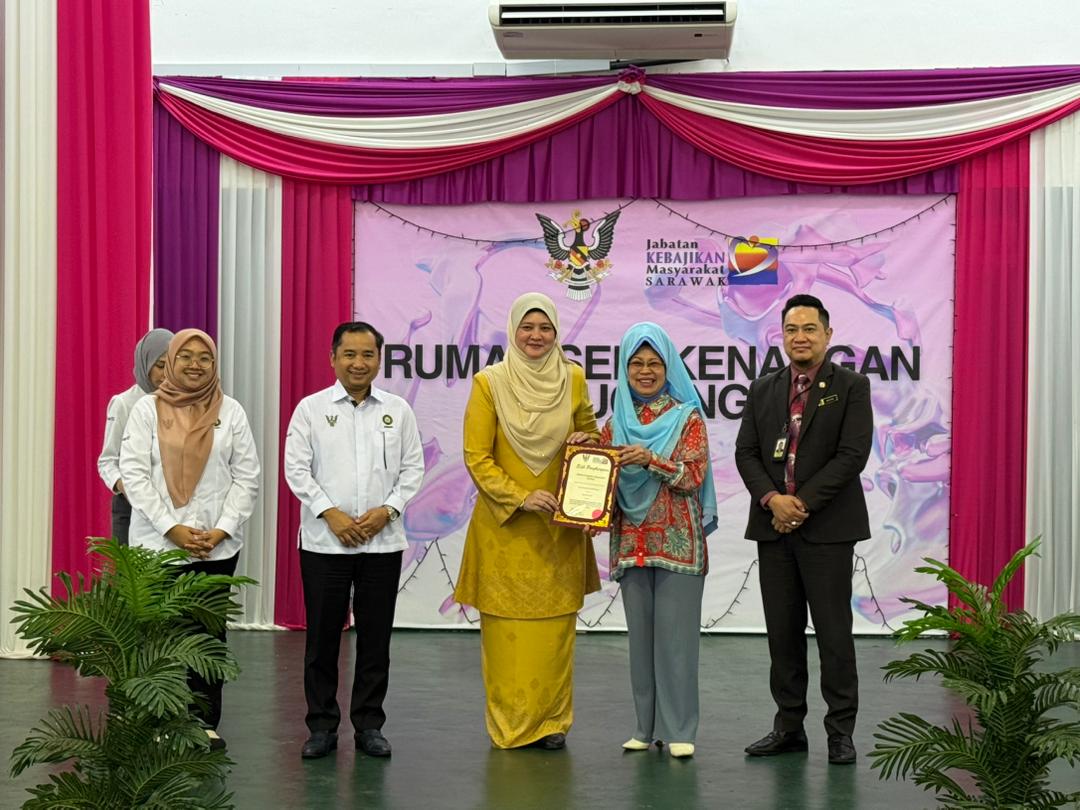
Fatimah said this at the Elderly Care Incentive Payment Ceremony for civil servants at Rumah Seri Kenangan (RSK) Kuching on Tuesday (April 28).
She added that efforts to produce skilled caregivers are being strengthened through training programmes offered at the Centre of Technical Excellence Sarawak (CENTEXS) Dalat, including certificate courses in elderly and palliative care.
“This is important because the elderly care industry requires not only skills and knowledge, but also a clear understanding of the group being cared for.
“It is in line with Sarawak’s transition into an ageing state.Our goal is for our elderly to live with dignity and remain as independent as possible for as long as they can.”
Meanwhile, chief academic officer of the Industry and ESG Academy and head of CENTEXS Dalat and Lawas Campus, Dr Nadianatra Musa, said the elderly care training programme has gained encouraging traction since its introduction about four years ago.
“Alhamdulillah, we received 30 students yesterday (April 27). When we first introduced the course, we were concerned about whether young people would be interested, as only 11 students enrolled initially.
“The number has steadily increased to 15, then 20, and last year, 25. This shows growing interest in the programme,” she said.
Entry into Rumah Seri Kenangan is limited to elderly individuals aged 60 and above who are destitute, free from infectious diseases, without family or guardians, and still able to manage basic self-care.
However, current policy encourages elderly individuals with family support to remain with their families, with institutional care considered a last resort.
At present, RSK houses 86 residents, comprising 43 men and 43 women, supported by care assistants and nursing staff.
The institution maintains specific caregiver-to-resident ratios to ensure adequate care. For healthy elderly residents, the ratio is one caregiver to 10 residents or fewer, while for those who are ill or bedridden, the ratio is one to four.
The same ratio applies to persons with disabilities (PWDs), with one caregiver for every 10 residents, or one to four for those with severe conditions. For other target groups, the ratio remains one caregiver to 10 residents or fewer.