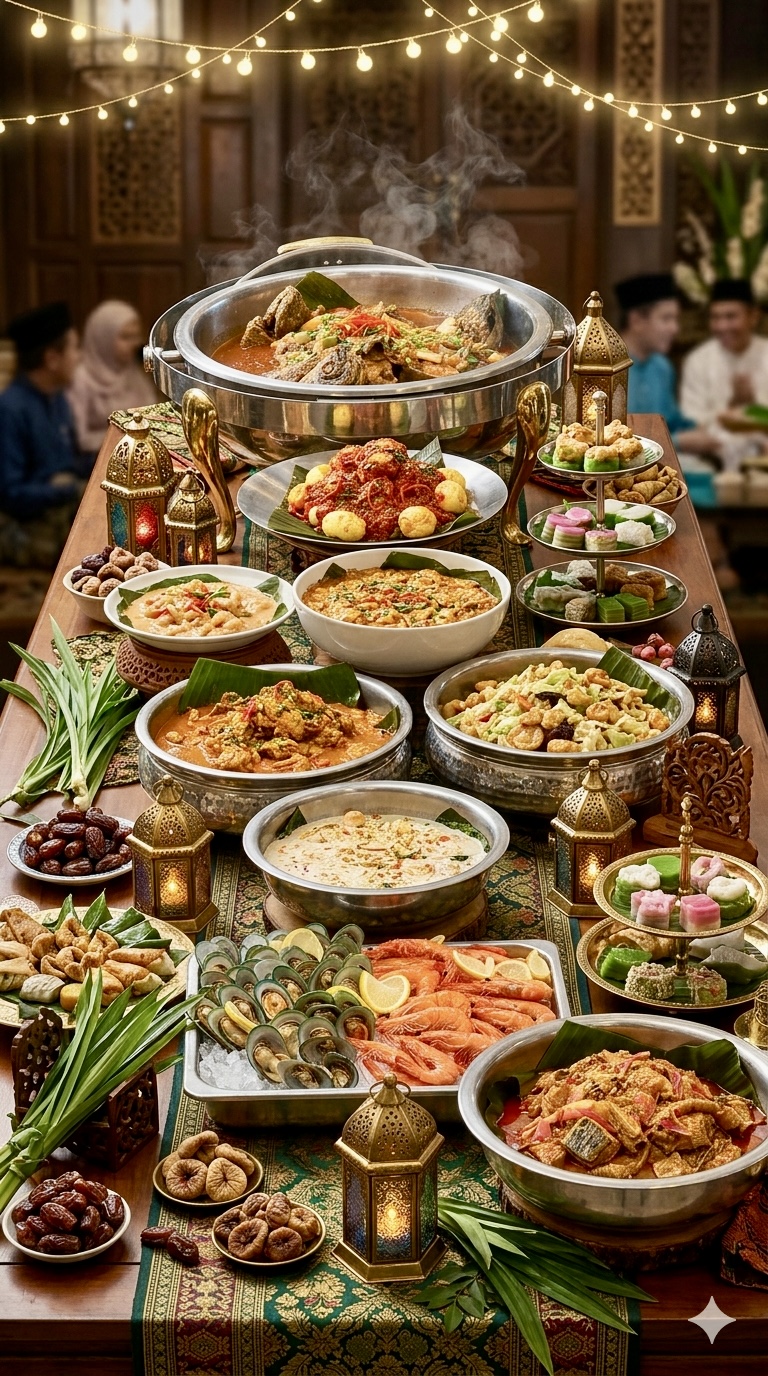
AS the sun dips below the horizon and the call to prayer signals the end of a day’s fast, the table becomes a place of comfort, reflection and celebration. Across the world, Ramadan evenings are marked by dishes rich in tradition – meals that nourish not only the body but also the sense of community.
In Malaysia, the beauty of iftar lies in its diversity. Thanks to the country’s multicultural heritage and global culinary influences, breaking fast here can feel like a journey across continents. From Middle Eastern staples to South Asian classics and beloved local favourites, Ramadan tables across the country offer flavours from around the world.
Middle Eastern comforts
Few cuisines are as closely associated with Ramadan as those from the Middle East. Restaurants and Ramadan bazaars throughout Malaysia often feature classics that have become firm favourites among diners.
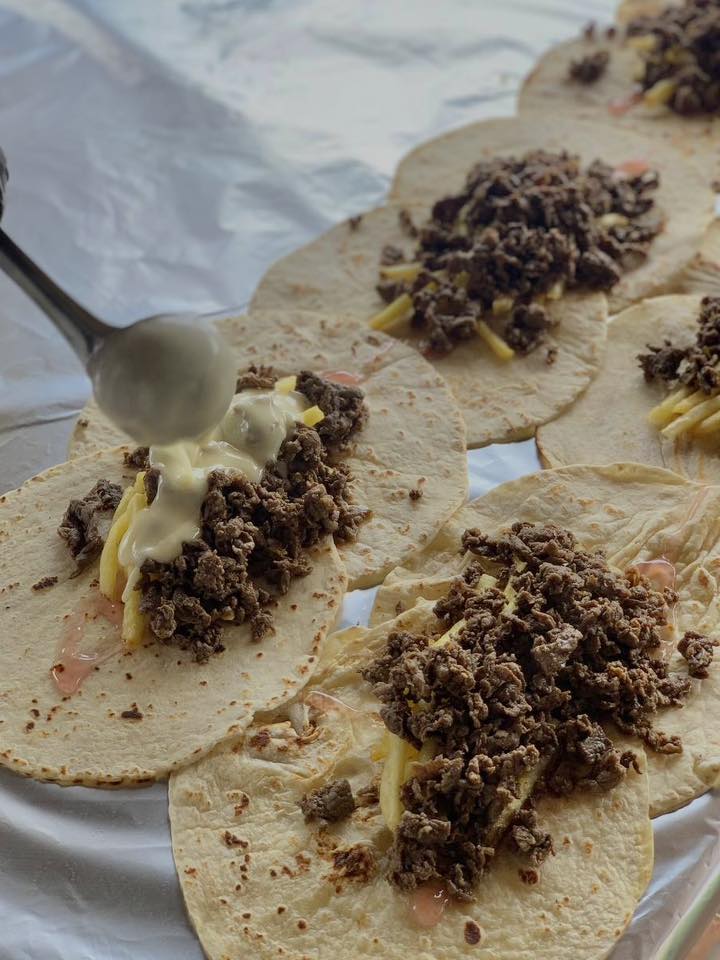
One of the most recognisable is Shawarma, where thinly sliced marinated meat is shaved from a rotating spit and tucked into warm flatbread with vegetables and creamy garlic sauce. Its savoury richness makes it an ideal dish after a long day of fasting.
Another staple is Hummus, a velvety blend of chickpeas, tahini, olive oil and lemon juice. Served with warm pita bread, it offers a simple yet satisfying start to the meal.
Hearty rice dishes such as Mandi – fragrant rice cooked with spices and tender lamb or chicken – are also popular choices at Middle Eastern eateries across cities like Kuala Lumpur and Kuching, especially for families sharing a communal platter.
South Asian Ramadan favourites
South Asian cuisine also plays a significant role in Malaysia’s Ramadan food scene. Rich spices, slow-cooked meats and comforting breads make these dishes perfect for breaking the fast.
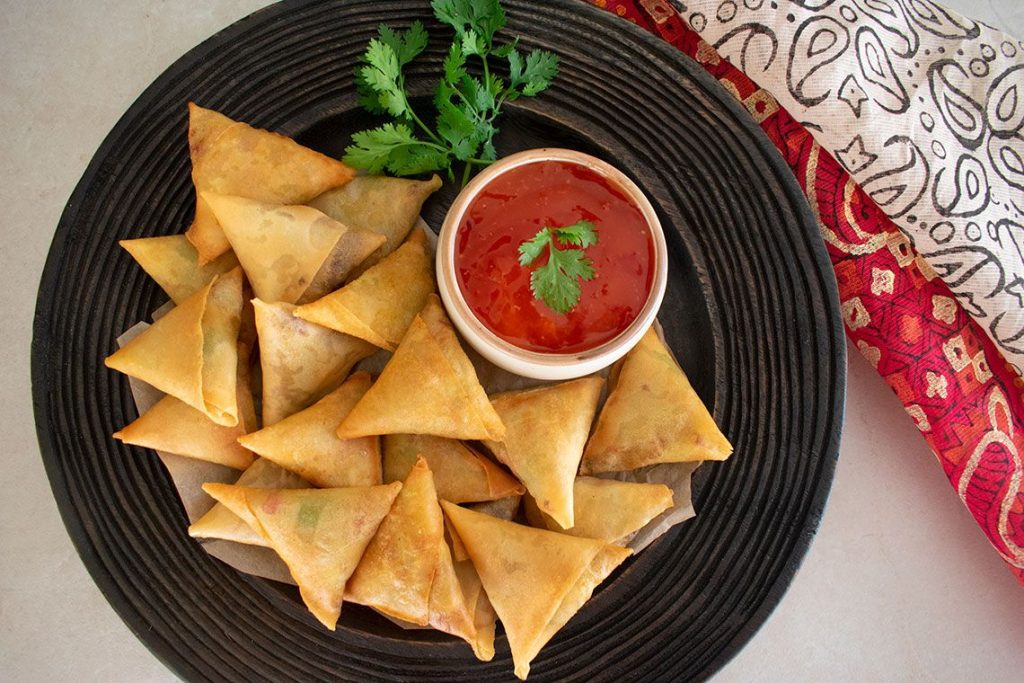
One highlight is the golden, flaky Samosa, stuffed with spiced potatoes or minced meat and deep-fried until crisp. These bite-sized treats are often among the first items people reach for at Ramadan bazaars.
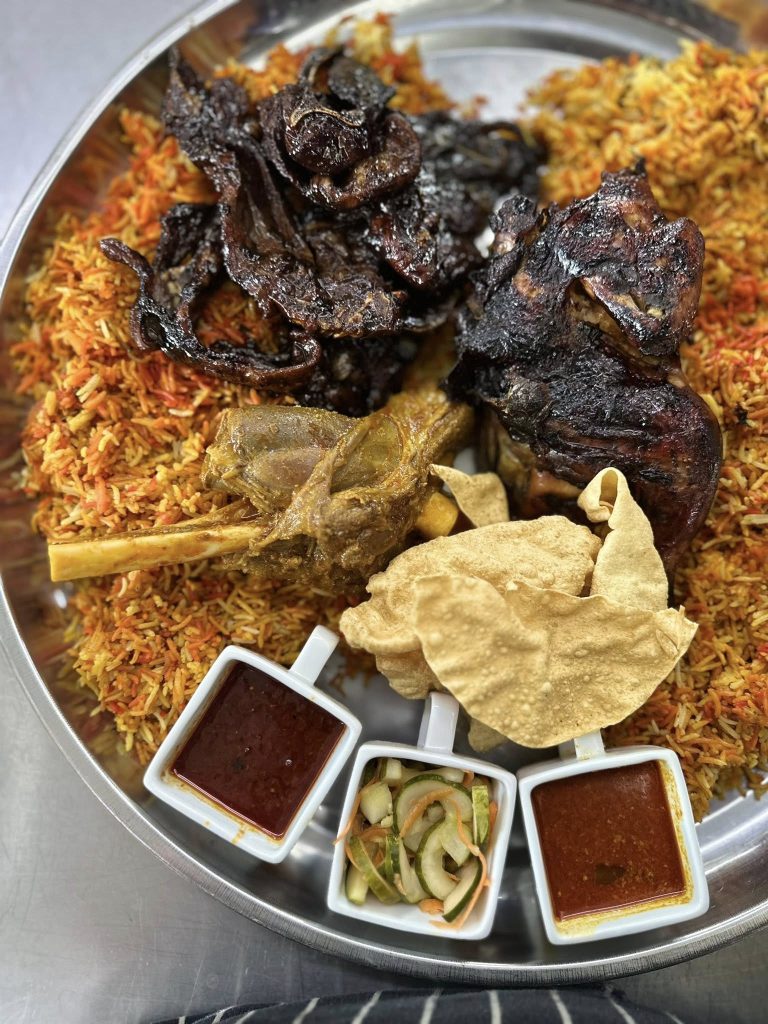
Another comforting dish is Biryani, fragrant rice layered with spices, herbs and tender meat. Whether served with chicken, lamb or beef, biryani remains a favourite for festive iftar gatherings.
Local Malaysian classics
Of course, no Ramadan meal in Malaysia would be complete without beloved local dishes that evoke nostalgia and home.
The iconic Bubur Lambuk is a Ramadan staple. This aromatic rice porridge, often cooked in large communal pots at mosques, is infused with spices, coconut milk and minced meat, creating a comforting bowl that gently reawakens the appetite.
Meanwhile, sweet and refreshing drinks such as Air Bandung provide instant relief after a day of fasting. The pink-hued beverage – made with rose syrup and milk – is a common sight at bazaars and family tables alike.
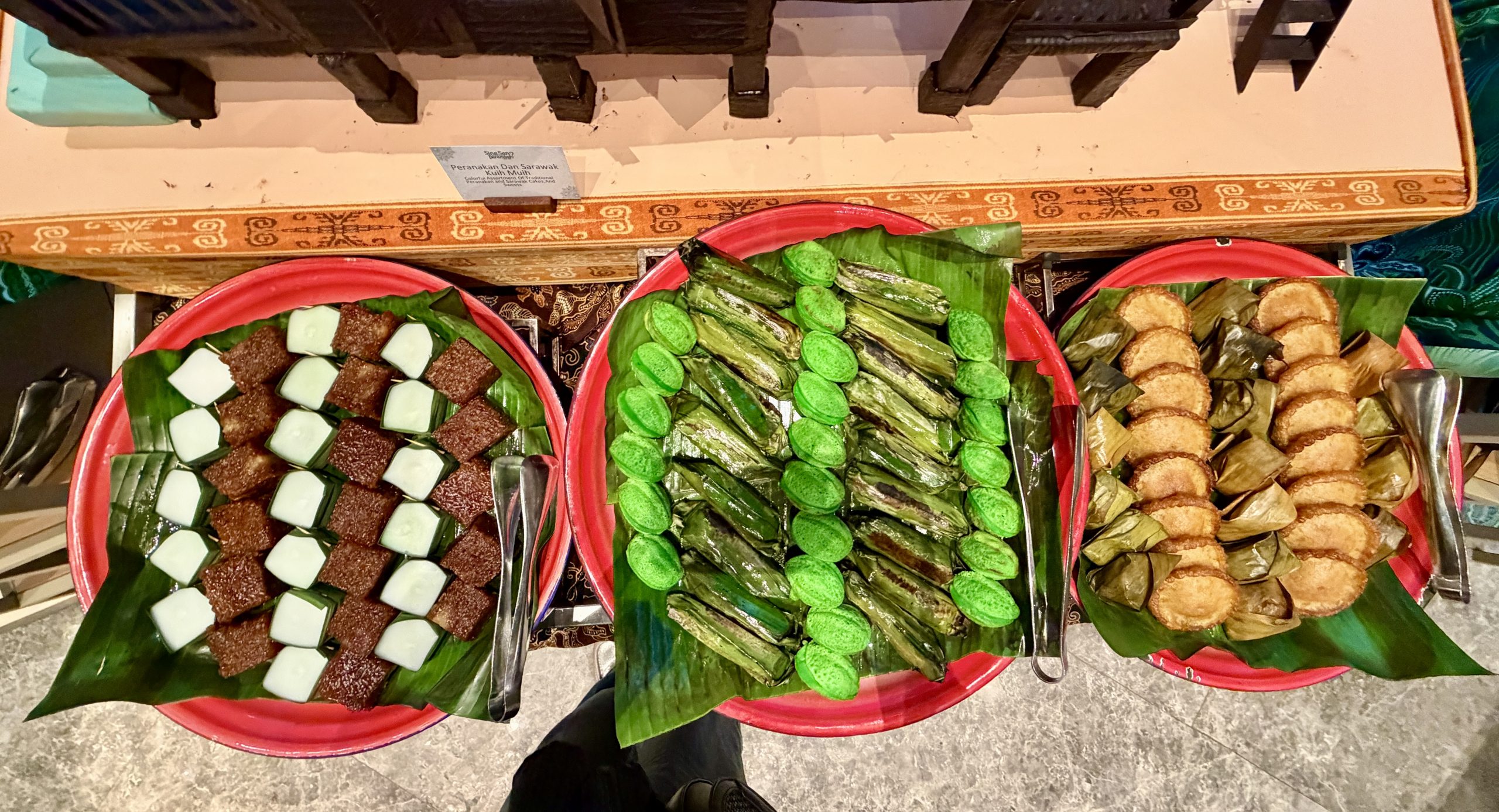
Another must-have is Kuih-Muih, a colourful assortment of bite-sized sweet cakes made with ingredients such as coconut, palm sugar and glutinous rice. From pandan-infused cakes to sticky rice delicacies, these treats add a nostalgic sweetness to the evening meal.
What makes Ramadan in Malaysia particularly special is how easily these global flavours coexist on the same table. It is not unusual to see shawarma alongside nasi dishes, samosas next to kuih-muih, and sweet drinks shared among family and friends.