Leadership Is Not Just Strategy – It Is Emotional Impact
When people think of leadership, they think of:
- decisions
- authority
- results
- performance
But behind every leader is something less visible –
their emotional pattern.
How they:
- respond under pressure
- handle disagreement
- communicate expectations
- treat people when things go wrong
In Love Forensic™ – Phase IV, we recognise this truth:
Leadership is not just what you decide –
it is how people feel under your leadership.
The Emotional Climate of Leadership
Every leader creates an environment.
Not just operational –
but emotional.
Teams do not only respond to:
- instructions
- They respond to:
- tone
- consistency
- respect
- psychological safety
This is called emotional climate.
And emotional climate determines:
- trust
- engagement
- loyalty
- performance
The Forensic Link Between Love and Leadership
At first glance, love and leadership seem unrelated.
But at a deeper level, both require:
- awareness
- regulation
- empathy
- responsibility for impact
In relationships, poor emotional control creates conflict.
In leadership, it creates organisational dysfunction.
The same principles apply:
How you manage emotion determines how others respond to you.
Three Types of Leaders (From a Love Forensic™ Lens)
1. Reactive Leaders
- respond emotionally
- take things personally
- create fear-based environments
Result: compliance without trust
2. Controlled Leaders
- suppress emotion
- appear calm but distant
- avoid emotional engagement
Result: structure without connection
3. Regulated Leaders (Optimal)
- aware of emotions
- respond intentionally
- communicate with clarity and respect
Result: trust + performance
Why Emotional Intelligence Is Leadership Power
Leaders with emotional intelligence:
- de-escalate tension quickly
- build psychological safety
- encourage honest communication
- maintain stability during uncertainty
They are not just respected –
they are trusted.
And trust is the foundation of all influence.
The Hidden Damage of Emotionally Unaware Leadership
When leaders lack emotional awareness, organisations experience:
- silent disengagement
- passive resistance
- fear-based compliance
- high turnover
- breakdown in communication
The issue is rarely strategy.
It is emotional mismanagement at the top.
The Love Forensic™ Leadership Framework
Here is your Phase IV leadership model:
1. Self-Regulation Before Authority
Before managing others, manage yourself.
Pause. Observe. Respond.
2. Emotional Accountability
Take responsibility not just for decisions –
but for their emotional impact.
3. Consistent Respect
Respect should not fluctuate with mood or pressure.
Consistency builds trust.
4. Clear, Calm Communication
Clarity reduces confusion.
Calmness reduces fear.
5. Psychological Safety
People perform best where they feel safe to:
- speak
- question
- contribute
From Control to Influence
Traditional leadership relies on control.
Modern leadership relies on influence.
And influence is built through:
- emotional consistency
- trust
- relational credibility
In Love Forensic™:
You cannot demand loyalty –
you earn it through emotional integrity.
Leadership as Extended Relationship
A leader is not separate from relationships.
Leadership is a scaled relationship system.
Instead of one-to-one:
- one-to-many
The same rules apply:
- trust
- communication
- respect
- emotional awareness
A Question for Every Leader
Ask yourself:
“How do people feel after interacting with me?”
Because that feeling becomes:
- culture
- behaviour
- performance
Dr Ben’s Reflection
Leadership is not measured by how many people follow you –
but by how many people grow under you.
When emotional intelligence guides authority,
leadership becomes not control… but transformation.
🔎 Next in Love Forensic™ – PHASE IV Part II
“Emotional Culture – How Organisations Inherit the Psychology of Their Leaders”
Why do some workplaces feel supportive, while others feel draining?
Next Saturday, we explore how leadership behaviour shapes organisational culture at every level.
Phase IV Journey: Leadership → Culture → Society
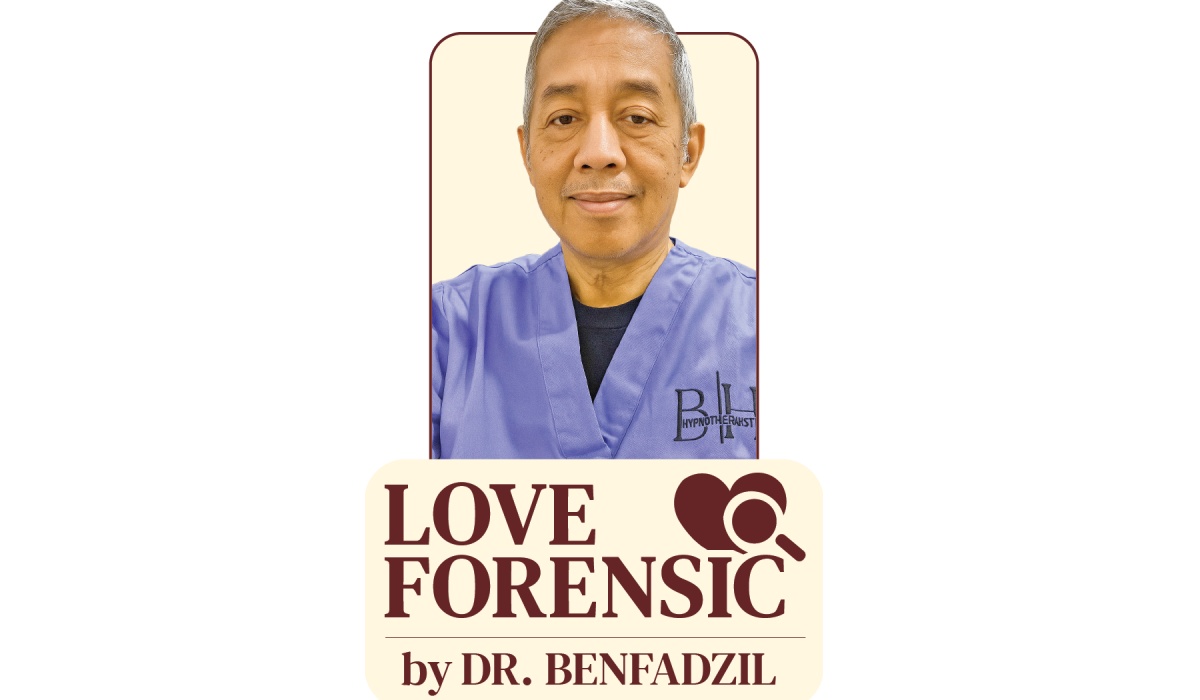
●Dr Benfadzil Mohd Salleh, Forensic Psychologist & Founder of Benfadzil Academy(Love Forensic™ – Where Science Meets Emotion) Kuching, Sarawak, H/P: 0122350404, Email: drbenfadzil@gmail.com
DISCLAIMER: The views expressed here are those of the writer and do not necessarily represent the views of Sarawak Tribune.