“Sustainable growth is achieved when we create more value while using fewer resources.”
When we talk about sustainability, the conversation often turns to large corporations, high-rise developments, smart buildings, and expensive green technologies. But sustainability does not belong only to large companies with large budgets.
For small and medium-sized enterprises (SMEs), sustainability can be much more practical. It can begin with practical decisions about how a workplace uses energy, natural light, ventilation and locally available materials.
These may appear to be small design decisions. Yet, together, they can influence operating costs, employee wellbeing, customer experience, property value and the long-term resilience of a business. This is where sustainable design moves beyond an environmental discussion and becomes a business strategy.
For SMEs, this means using design not only to reduce environmental impact, but also to control costs, strengthen customer experience and build long-term competitiveness.
Sustainability Is About Creating More Value with Less
For many businesses, sustainability may initially appear to mean additional investment. For an SME working with limited capital, concerns about the cost of energy-efficient equipment, renewable energy systems or sustainable materials are understandable.
But sustainability should not be viewed only as an additional cost. A building is a long-term business asset. Its cost does not end when construction is completed. Energy, maintenance, repairs, replacement and operational expenses continue throughout its life.
Therefore, an important business question is not simply: “How much will sustainable design cost?”
It is: “What value can this design decision create over the life of the building?”
This is the principle of life-cycle thinking—looking beyond the initial investment and considering how design decisions affect operational costs, maintenance, comfort and long-term asset value.
A design decision that reduces unnecessary heat gain can reduce cooling demand. Better daylight can reduce dependence on artificial lighting. Natural ventilation, where appropriate, can reduce the need for mechanical cooling. The objective is not to spend more. The objective is to use resources more intelligently. The International Energy Agency reports that buildings account for around 30% of global energy demand, highlighting the importance of improving building efficiency.
The SME Advantage: Start Small, Think Long Term
Large organisations may have the financial capacity for major green building projects, but SMEs can also participate in sustainable development.
A small business renovating a café, office, retail outlet, studio or accommodation property can consider sustainability from the beginning, rather than correcting problems later. Instead of immediately increasing air-conditioning capacity when a space becomes too hot, businesses can first ask whether better design could address the underlying problem.
This represents a shift from reactive spending to preventive design. Investing in design that reduces the need for equipment can improve efficiency, lower maintenance and energy costs, and strengthen business resilience by reducing vulnerability to rising operating expenses.
Design as a Cost-Control Strategy
For SMEs, sustainable design can help reduce unnecessary operating costs. In Malaysia’s tropical climate, practical measures such as shading, appropriate daylight and natural ventilation can reduce dependence on artificial lighting and cooling.
The principle is straightforward: before investing in more equipment, consider whether better design can reduce the need for it. This can lower energy and maintenance costs while improving long-term business resilience.
Designing for People and Business Wellbeing
The business case for sustainable buildings extends beyond energy savings. Buildings are workplaces, shops, restaurants and hotels where people spend much of their day. For SMEs, people are among their most valuable resources.
Good daylight, thermal comfort, ventilation, indoor air quality and connection with nature can improve the quality of the environment. Research has identified relationships between green-building performance, indoor environmental quality and occupant satisfaction [3].
For SMEs, this means a comfortable workplace can support employee experience, while thoughtful retail and hospitality spaces can enhance customer experience and communicate business values.
This is people-centred sustainability: recognising that environmental performance and human experience are interconnected, supporting retention, loyalty and competitiveness.
Local Materials Can Create Local Business Opportunities
For an SME, competing only on price can be difficult. Sustainable design offers another possibility: competing through value and identity.
A café using daylight, greenery and local materials can create a distinctive customer experience. A hotel can express regional identity, while an office can demonstrate its commitment to employee wellbeing.
Sustainability can become part of a business’s identity and brand story, while sustainable features may support long-term asset value, depending on market conditions.
This means sustainability can be an asset-quality issue, not simply an environmental one. For property-owning SMEs, the building can contribute to long-term business value.
More broadly, sustainable thinking helps businesses improve efficiency, reduce costs, differentiate themselves and adapt to changing market expectations.
Sustainability Can Strengthen Business and Property Value
For an SME, competing only on price can be difficult. Sustainable design offers another possibility: competing through value and identity.
A café using daylight, greenery and locally appropriate materials can create a distinctive customer experience. A hotel can use local materials to express regional identity, while an office can demonstrate its commitment to employee wellbeing.
Sustainability can become part of a business’s identity and brand story, while sustainable features may support long-term asset value, depending on market and property conditions.
This means sustainability can be an asset-quality issue, not simply an environmental one. For property-owning SMEs, the building can be part of the business’s long-term value.
More broadly, sustainable thinking helps businesses use resources efficiently, reduce unnecessary costs, differentiate themselves and adapt to changing costs and market expectations.
Thinking Global, Designing Local
This brings us to the philosophy behind “Thinking Global, Designing Local.”
Global sustainability frameworks provide direction, but buildings operate within different climates, cultures, regulations, materials, energy systems and economic conditions.
A strategy developed for Europe may not suit a tropical Malaysian building. Sustainability is not about copying solutions, but understanding principles and adapting them intelligently to local needs.
For Malaysia, this means designing for the tropical climate, using local knowledge, strengthening supply chains, respecting cultural identity and recognising economic realities. This is “glocal” thinking: global knowledge translated into local intelligence.
The Greatest Opportunity Begins with Better Decisions
The greatest opportunity for sustainable and regenerative design begins long before construction, with a simple question: Can we create more value while using fewer resources?
This question shapes how businesses use energy, space, materials and other resources. While individual decisions may seem small, collectively they can reduce operating costs, improve efficiency, support employee wellbeing, enhance customer experience and create long-term business value.
For me, this is the deeper meaning of Thinking Global, Designing Local. It is not simply about greener buildings but recognising that environmental responsibility can also strengthen business performance.
Think globally. Design locally. Use resources intelligently and create lasting value.
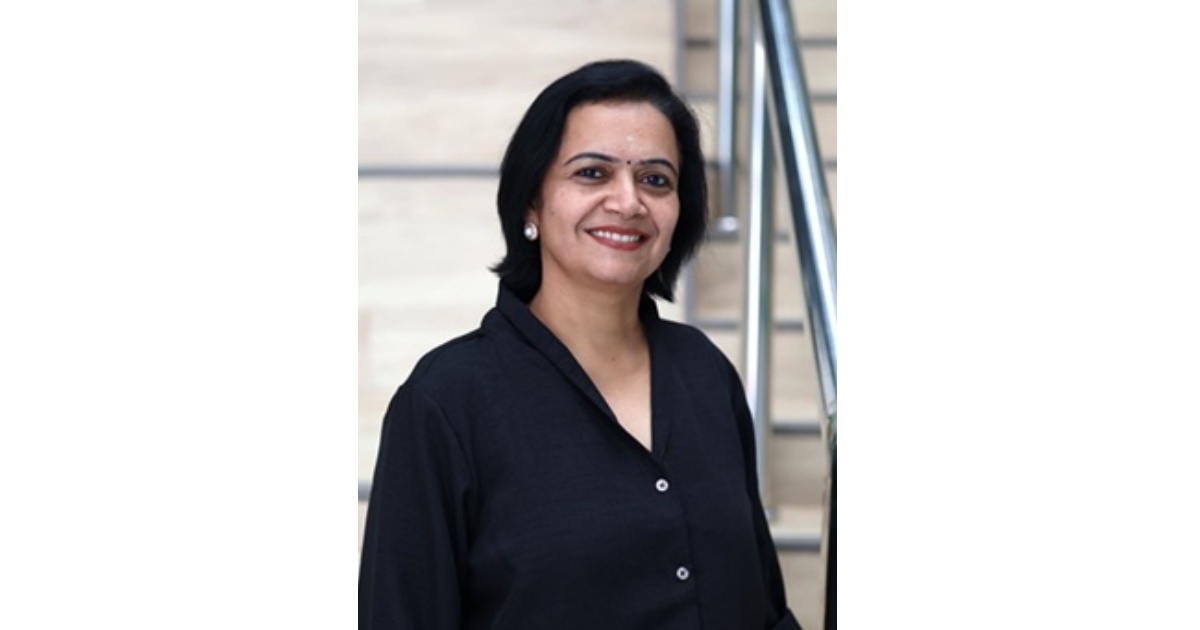
● Dr Swetha Madhusudanan, Lecturer, School of Design and Arts, Faculty of Business, Design and Arts, Swinburne University of Technology Sarawak campus
———————————-
DISCLAIMER:
The views expressed here are those of the writer and do not necessarily represent the views of Sarawak Tribune. The writer can be reached at mvoon@swinburne.edu.my.