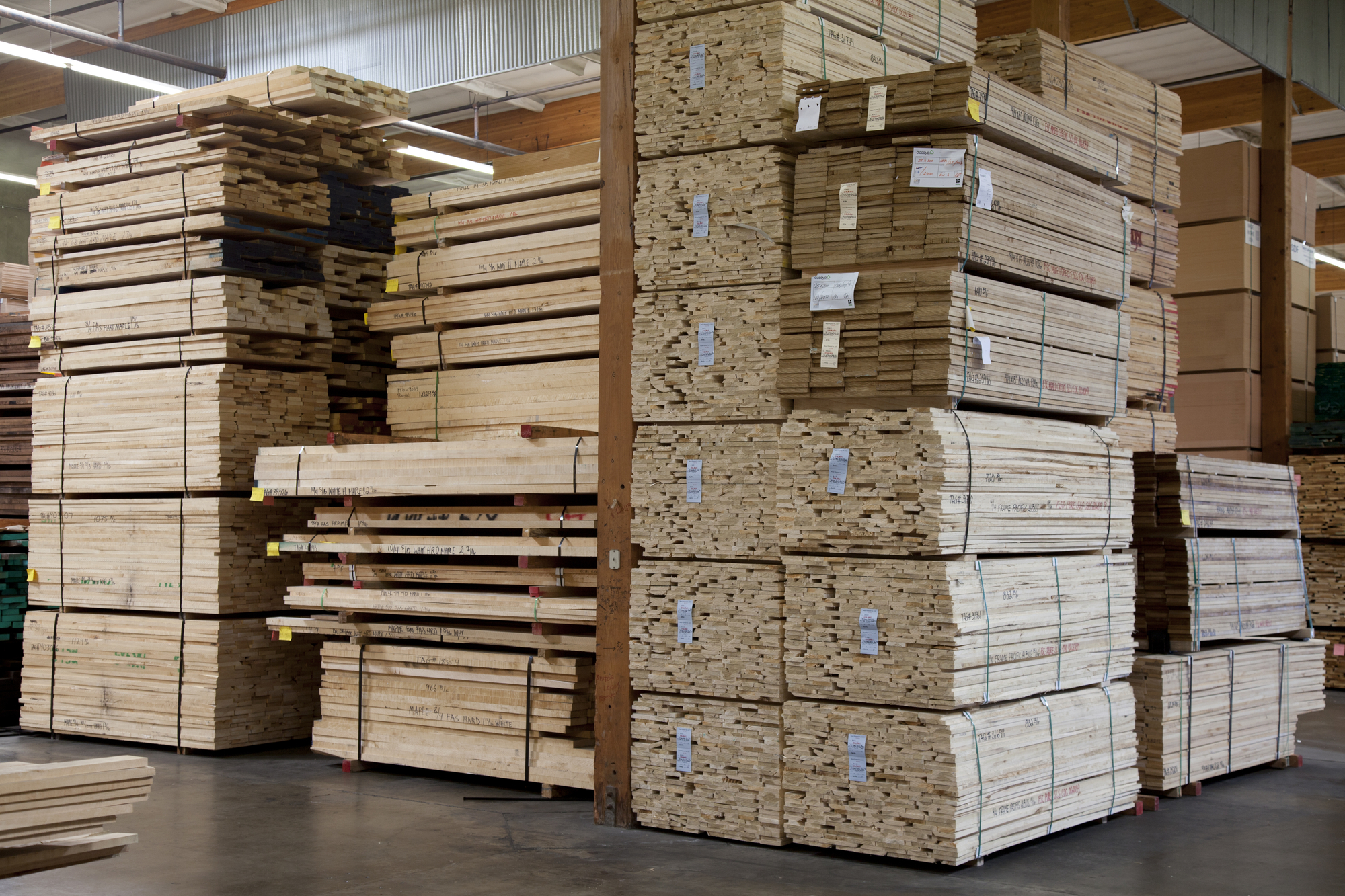
KUCHING: Dwindling log supply and anti-dumping duties imposed by the United States have caused sharp falls in Indonesia’s plywood production and export sales this year.
In the January-April 2026 period (4m2026), Indonesia’s national plywood production volume contracted by 22 per cent to 971,000 cubic metres (cu m) as compared to that of 4m2025 while export earnings in first quarter of 2026 (1Q2026) plunged to US$324 million from US$441 million or down by US$117 million (-26.5%) in the same period in 2025, according to Indonesian Wood Panel Association (Apkindo).
Apkindo said Indonesia’s plywood sector is facing one of its most challenging periods in the last decade with production and exports dropped significantly.
Reduced natural forest log supply, which declined by about 20 per cent year-on-year, has constrained plywood production, leading to a projected annual output of only 2.8 million cu m, the lowest level in 10 years.
Cumulative natural forest log production in 4m2026 reached 736,657 cu m, with Kalimantan remains the primary supplier of meranti logs while production in Sumatra fell by an average of 35 per cent as several forest concession operations have yet to fully normalise.
Meranti log free on board (FOB) prices remain relatively stagnant at elevated levels as industrial fuel costs in forestry operations continue to rise.
Meanwhile, urea formaldehyde resin — a critical component in plywood manufacturing — has seen substantial price increases due to tightening industrial urea supply, some of which was reportedly exported to Australia in mid-May.
Sengon logs, widely used for combi plywood and the domestic market, have remained relatively stable, fluctuating between rp50,000 and rp100,000 per cu m, On Indonesia’s average monthly plywood and laminated veneer lumber (LVL) production, this stood at approximately 217,000 cu m this year, significantly below 2025’s average of 279,000 cu m per month.
All regions experienced declines : Sumatra (-35%), Kalimantan (-20%), Java-Bali (-22%) and Eastern Indonesia (-26%). Nevertheless, April 2026 production rebounded to 212,000 cu m following the March correction, a sign that the industry has not lost momentum.
In 1Q2026, Indonesia’s plywood export volume dropped nearly 30 per cent year-on-year to 670,000 cu m, with Asia remaining the largest destination, accounting for 57 per cent of shipments, followed by North America (22%), European Union (EU) (10%) and non EU Europe (6%).
Amid the broader slowdown, Europe emerged as a bright spot as exports to the EU increased 34 per cent in volume and 21 per cent in value while exports to the United Kingdom rose 38 per cent and 45 per cent respectively.
In contrast, Indonesia’s plywood export to the US contracted sharply following the implementation of anti-dumping and countervailing duties with volume and value fell by 62 per cent and 48 per cent respectively.
Final determinations on the anti-dumping and countervailing duties are scheduled for July 15, 2026.
Indonesia’s market position in the US deteriorated sharply — from the top exporter in January to third place in February, and nearly absent from the market by March 2026.
However, Canada and Mexico have become important stabilisers for North America. Indonesia’s plywood exports to Canada leapt by 62 per cent in volume and 48 per cent in value year-on-year in March.
Mexico recorded even stronger growth, with export volume surging 125 per cent and value soaring 140 per cent, marking it one of Indonesia’s fastest growing plywood markets.
Indonesian plywood exporters succeeded in raising prices to South Korea by US$60 per cu m in April 2026 as demand continues to strengthen this year, particularly for floor-based plywood and 10mm renovation products.
Taiwan imported 867,000 cu m of plywood throughout 2025 although Indonesia continues to face pricing pressure there.
Average Indonesian plywood prices to Taiwan were only US$210 per cu m — significantly below Vietnam (US$327) and Malaysia (US$491).
In 1Q2026, Malaysia imported 119,853 tonnes of plywood from Indonesia, making it Indonesia’s third largest market.
Much of the material is used for laminates and secondary panel processing before being re-exported to third countries. Still, industry players see substantial medium-term opportunity.
If regional conflict eases, reconstruction demand across the Middle East could create massive plywood consumption. Indonesia, with its large-scale production capacity and reputation as a reliable supplier, remains strategically positioned to capture that recovery momentum.
For international buyers, Apkindo said the message from Indonesia’s plywood industry is clear: “we remain present, capable and adaptive.