KUCHING: Vietnam’s furniture manufacturers are increasingly choosing melamine plywood in their productions to reduce costs, speed up production process, improving efficiency and maintain consistent product quality.
While veneer coated plywood remains popular for premium furniture, melamine plywood has become a preferred solution for commercial and large-scale manufacturing applications, according to International Tropical Timber Organisation (ITTO) Tropical Timber Market Report (June 1-15, 2026).
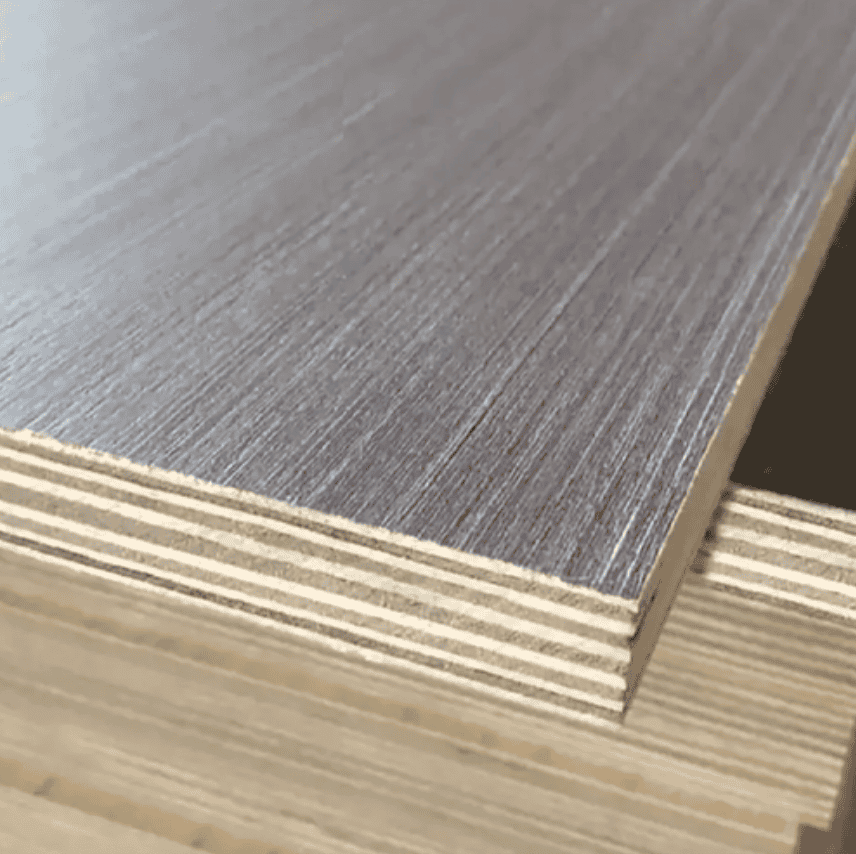
“In the past, melamine surfaces often looked artificial and lacked visual appeal for real wood. Advances in decorative surface technology have changed that perception.
“Modern melamine plywood can feature highly realistic wood grain designs, textured finishes, matte surfaces and synchronised grain effects that closely mimic natural timber,” said the report.
Despite the growing popularity of melamine plywood, veneer plywood continues to play an important role in the furniture industry. Natural wood veneer provides depth, character and authenticity that many premium customers appreciate.
“Luxury hotels and executive spaces often favour genuine wood surfaces to create a more sophisticated and upscale atmosphere.
“Architects and designers frequently specify veneer plywood when craftsmanship, natural materials and unique wood grain patterns are central to the design concept. In these applications, veneered plywood remains difficult to replace.”
In the first five months of 2026 (5m2026), Vietnam recorded total wood and wood products’ (W&WP) exports of US$7.1 billion, up four per cent from 5m2025, with WP, including furniture, exports accounted for US$4.5 billion, according to data from Vietnam Customs Office.
Exports to the United States (US), the top export market, stood at US$3.5 billion, down seven per cent from 5m2025.
Meanwhile, Vietnam aims to complete provincial forest boundary databases and maps this year in a move seen as critical to helping the timber industry adapt to the European Union’s (EU) antideforestation rules and maintain exports.
This goal is set out in an action plan issued by the Forestry and Forest Protection Department under the Ministry of Agriculture and Environment on adaption to the EU Deforestation Regulation (EUDR), which bans products linked to deforestation or forest degradation from entering the European bloc.
A forest database is considered a critical technical foundation for meeting EUDR requirements on traceability and spatial data transparency, while accelerating the digital transformation of forest management in line with international practices, with the overall objective of fully complying with the EUDR, sustaining exports and promoting sustainability forestry development and biodiversity conservation.
Under the action plan, all localities across Vietnam must build and publish forest boundary databases and maps by December 31, this year.
They are also required to identify and disclose coffee, rubber and timber production areas at risk of deforestation or forest degradation.
An official EUDR compliance guideline for the timber industry is set to be issued by December 31.
In addition, the plan targets improvements to legal frameworks on traceability, sustainable production, circular and green economy, and aims to strengthen the capacity of regulators, businesses and stakeholders in implementing the EUDR.
To achieve these goals, the plan outlines six priority tasks, including legal reforms, technical infrastructure upgrades, enforcement capacity building, stronger monitoring and expanded international cooperation.
In technical infrastructure, the plan prioritises building a unified national forest database and mapping system, developing EU-aligned monitoring indicators, operating an integrated digital platform linking EUDR traceability data with planting area codes and sustainable forest management certificates and applying new spatial data technologies.
The ITTO report said Vietnam will also engage with the EU and its member states on risk assessment methods and monitoring indicators, work with the EU’s joint research centre to align forest mapping databases and seek mutual recognition mechanisms for legal timber certification.
Compliance with the EU requirements, said Forestry and Forest Protection Department’s official Truong Tat Do, will help Vietnamese firms access other high-end markets as environmental and supply chain transparency standards tighten globally.
He said the EUDR covers the entire supply chain from harvesting and transport to processing and export, adding that if violations occur at any stage or if deforestation took place after December 31, 2020, the product may be deemed non-compliant.
In May 2025, the European Commission classified Vietnam as a low-risk country, meaning only about one per cent of shipments or exporters are subject to checks.
However, officials warned that this status depends on strict compliance and reliable, transparent data systems.