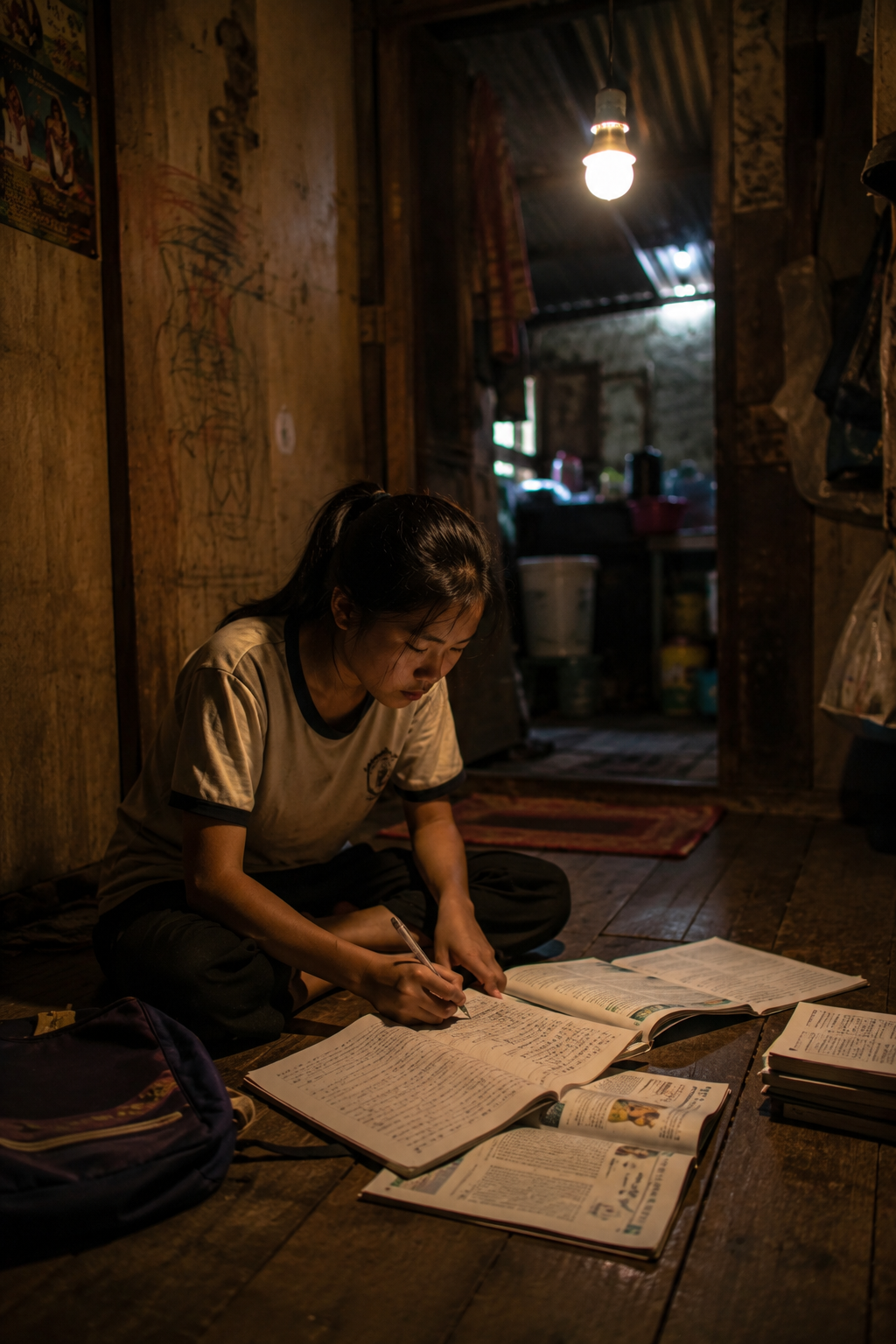
At just 15, she gave up school to support her struggling family, sacrificing her own dreams so her younger siblings could survive. Years later, one memory of her quiet resilience continues to shape the writer’s understanding of poverty, childhood and sacrifice.
The Girl Who Grew Up Too Soon
SOME childhood memories fade with time. You forget the names of teachers, the subjects you once struggled to understand, or the games you played during school holidays.
But some memories remain painfully clear – not because they were extraordinary, but because they quietly changed the way you see the world forever.
For me, one of those memories is of a girl who arrived at our house carrying far more responsibility than any child should ever have to bear.
She was only 15 years old.
At that age, most children are still discovering who they want to become. They complain about homework, dream about future careers, worry about friendships, and count the days until the school holidays begin.
But she was already worrying about whether her younger siblings had enough to eat.
She was not exactly family by blood – more a distant relative or family acquaintance whom my parents had met years earlier.
Yet, for a period of my childhood, she became part of our home. To me, she was somewhere between an older sister, a friend and our house helper.
She was only a year older than me. This happened in the early 2000s, when I was 14 and still too young to fully understand the realities of poverty.
Looking back now, I realise how differently our childhoods unfolded despite the small age gap between us.
While I attended school every morning carrying neatly packed books and worrying about unfinished homework, she had already stepped into adulthood long before she was ready.
Carrying a family at 15
I cannot remember exactly how my parents first met her family – perhaps through a chance encounter or mutual acquaintances. But I have always believed some people enter our lives for a reason.
My late father, especially, cared deeply about education. He believed it could change the direction of a person’s life, particularly for children from struggling backgrounds.
When he discovered she had stopped schooling after Year Six, he immediately encouraged her to stay with us so she could continue studying while helping around the house.
At first, I did not fully understand why someone so young had left school altogether. Then one evening, she quietly told me her story.
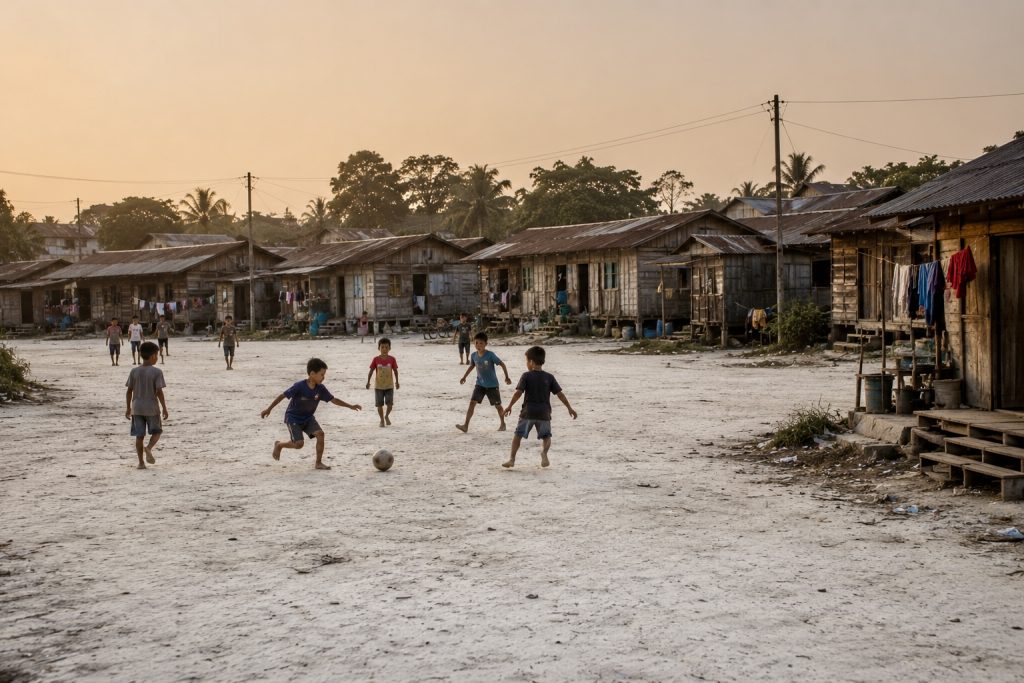
Her family lived in a squatter settlement somewhere in Petra Jaya. Her father was visually impaired and survived on occasional small jobs weaving baskets whenever work was available. Her mother stayed home caring for five or six children, most of them still in primary school, including a newborn baby.
Money was never enough.
Some days, whatever little her father earned was barely sufficient to buy food for the family. School expenses became a luxury they simply could not afford.
So, after completing the Ujian Pencapaian Sekolah Rendah (UPSR), she made the decision many children living in poverty are forced to make far too early.
She stopped being a student and became a worker instead.
I still remember how she spoke about her first job. There was no bitterness in her voice. In fact, she sounded proud whenever she talked about receiving her monthly salary.
Not because she could buy things for herself, but because it meant she could finally help her family.
The first time I visited her home, I remember feeling stunned into silence.
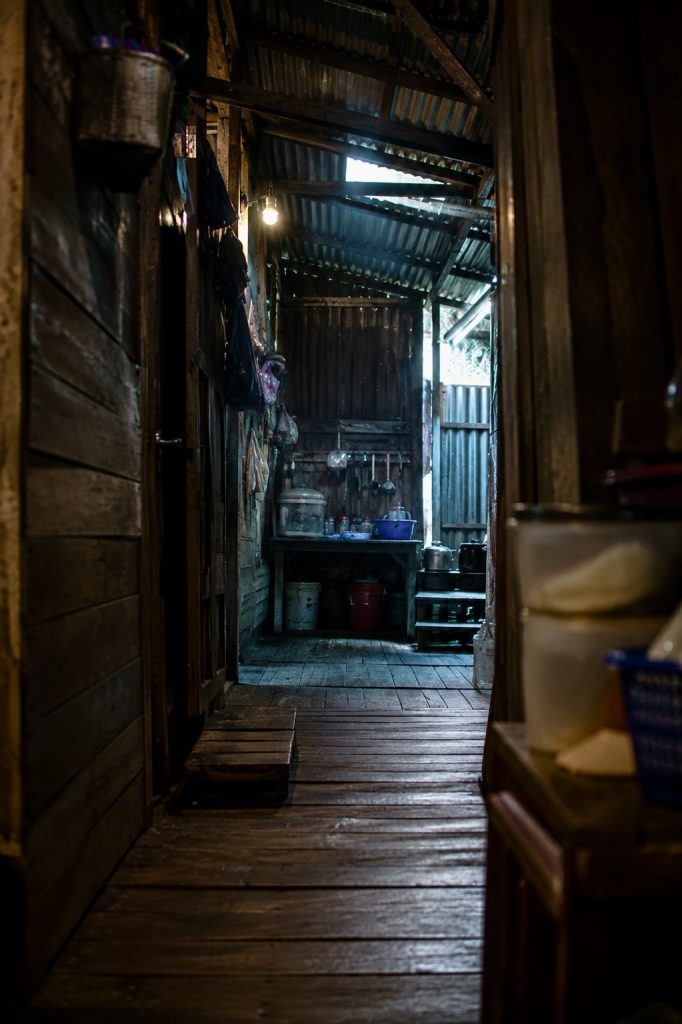
The house was small, fragile and overcrowded – built mostly from wood, with only a few thin partitions separating the sleeping area, living room and kitchen. The kitchen itself was extremely narrow, barely large enough for one or two people to move around comfortably.
There was not enough sleeping space for everyone, so some of her younger siblings slept in the living room.
Outside stood a tiny makeshift toilet that looked almost temporary against the weather. Their water came from what I vaguely remember as a small well or manually built water point nearby. The same water was used for bathing, washing clothes and cooking.
But among everything I saw that day, one detail stayed with me the most.
The baby.
There were times when the baby had to drink warm water whenever the mother’s breast milk was insufficient because the family could not afford infant formula.
At 14 years old, I did not yet understand poverty through reports, statistics or public discussions. I understood it through a baby bottle filled with warm water.
Small joys, quiet sacrifices
When she came to stay with us, my father promised that if she wished to return to school, he would support her education expenses.
But she hesitated.
She told him she wanted to continue working first so she could keep sending money home every month. Her family depended heavily on her income, no matter how small it was.
Even now, years later, I still remember payday.
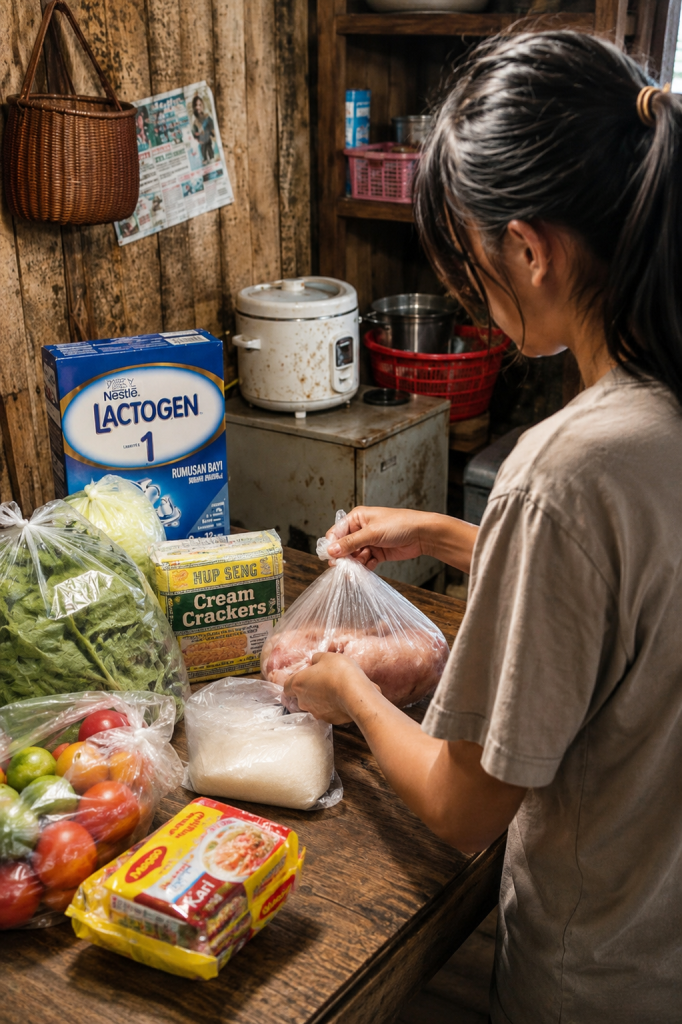
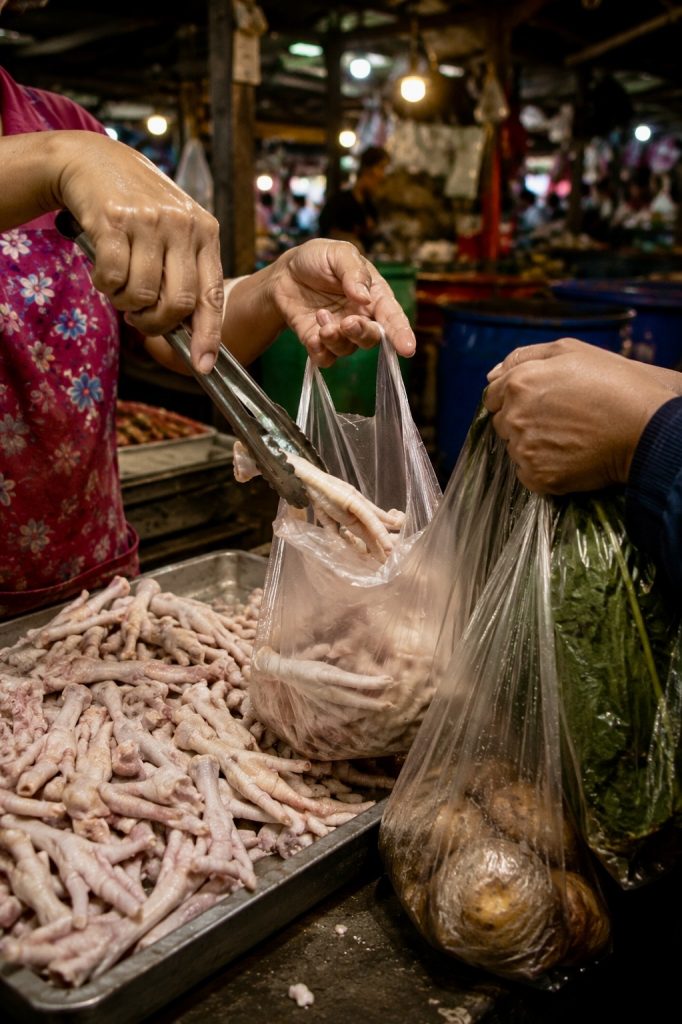
Every time she received her salary, she would ask me to accompany her to the wet market. She always bought chicken – especially chicken feet – because her younger siblings loved them.
At the time, I never thought much about it.
But now I realise those trips meant far more to her than simply buying groceries. They were proof that she could provide something for the people she loved.
One evening, after shopping at the market, we helped carry the groceries back to her family home. I watched her stand in the tiny kitchen frying a large bag of chicken feet she had just bought.
The moment the food was ready, her younger siblings gathered around excitedly.
Within minutes, everything was gone.
I still remember the look on her face as she watched them eat. She barely touched the food herself, yet she smiled throughout the meal – not because she was full, but because they were.
That same day, she proudly bought formula milk for the baby so the child would no longer need to drink plain warm water.
Looking back now, I realise something heartbreaking: she was still only a child herself.
At night, after the lights were turned off and we lay awake waiting for sleep, we often talked quietly about life.
One night, she admitted something she rarely allowed herself to say aloud. She missed studying.
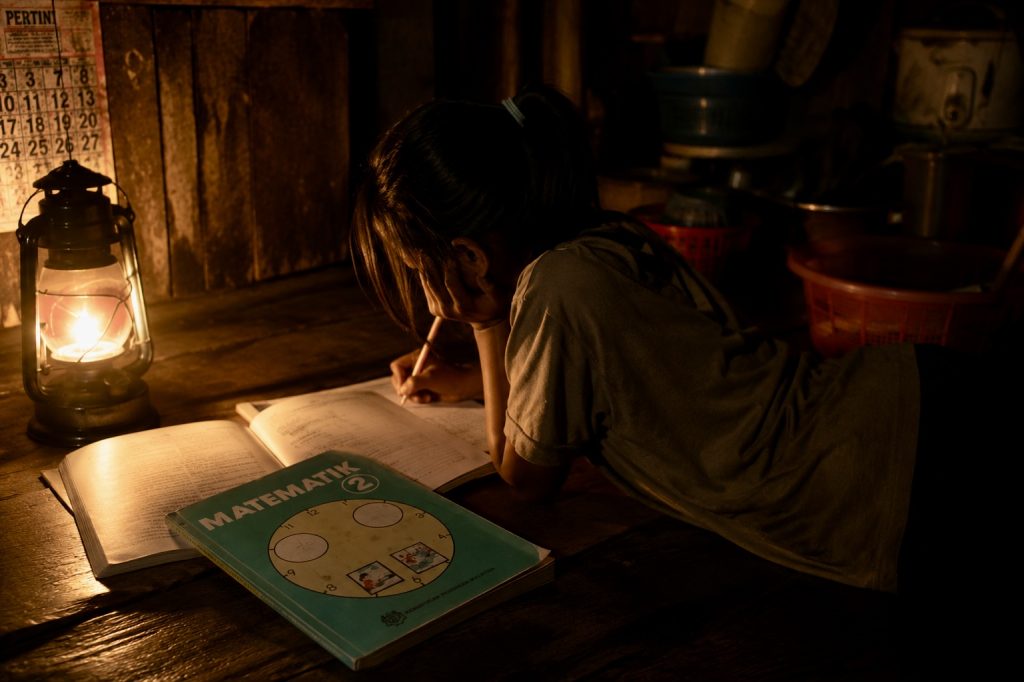
She said she loved learning and dreamed of entering secondary school someday. She wanted to wear a school uniform again. She wanted to sit in a classroom, carry textbooks and continue learning like other girls her age.
But she also believed her family needed her income more than she needed her dreams.
After hearing that, I began inviting her to study with me every day after school. Whatever I had learned in class, I would teach her again at home.
Sometimes she would read my textbooks after finishing the housework. I still remember how happy she looked whenever she understood something new.
Her eyes would light up in a way I had never seen before. For a while, it felt as though hope had quietly returned to her life.
The future she never chose
Then one phone call changed everything.
Her mother contacted my parents and informed them that she would soon be married off to an older, wealthy businessman.
I still remember that night clearly. She cried endlessly after the call – not because she hated the man, but because she did not want to marry so young.
She wanted to study. She wanted time to decide her own future.
My parents tried asking why the marriage had to happen so quickly, especially at such a young age. According to her mother, the man had promised financial support for the family.
And in desperate situations, survival often speaks louder than dreams.
A few days later, after she returned home, she called me one final time. Her voice sounded tired.
She said she felt hurt because after sacrificing her education and becoming the breadwinner for her family, even her wish not to marry young was never truly heard.
That was the last conversation we ever had. After that, we completely lost contact.
Sometimes I still wonder where life eventually took her.
Did she ever get the chance to continue studying? Did she find happiness? Does she still remember those evenings sitting beside me reading school textbooks after finishing the housework?
I may never know.
But every year, when the world observes the International Day of Families and speaks about inequality and child wellbeing, I find myself thinking about her again.
Because behind every discussion about poverty or inequality are real children quietly giving up pieces of their childhood to help their families survive.
Children who become providers before they become teenagers. Children who learn sacrifice before they fully understand freedom. Children whose dreams slowly disappear, not because they lacked ambition, but because circumstances demanded adulthood far too early.
And somewhere in my memory, she remains forever 15 years old – standing in the humble kitchen of her family home, smiling softly as her younger siblings ate the chicken feet she bought with her own salary, while silently setting aside dreams she was never truly allowed to pursue.