MIRI: The rapid transformation of Miri into a regional hub for tourism, education and investment must be matched by an equally strong commitment to preserving its multicultural heritage.
Transport Minister Datuk Seri Lee Kim Shin said a truly progressive city was defined not only by economic growth and infrastructure, but also by its ability to safeguard the traditions and identity that shaped its people.
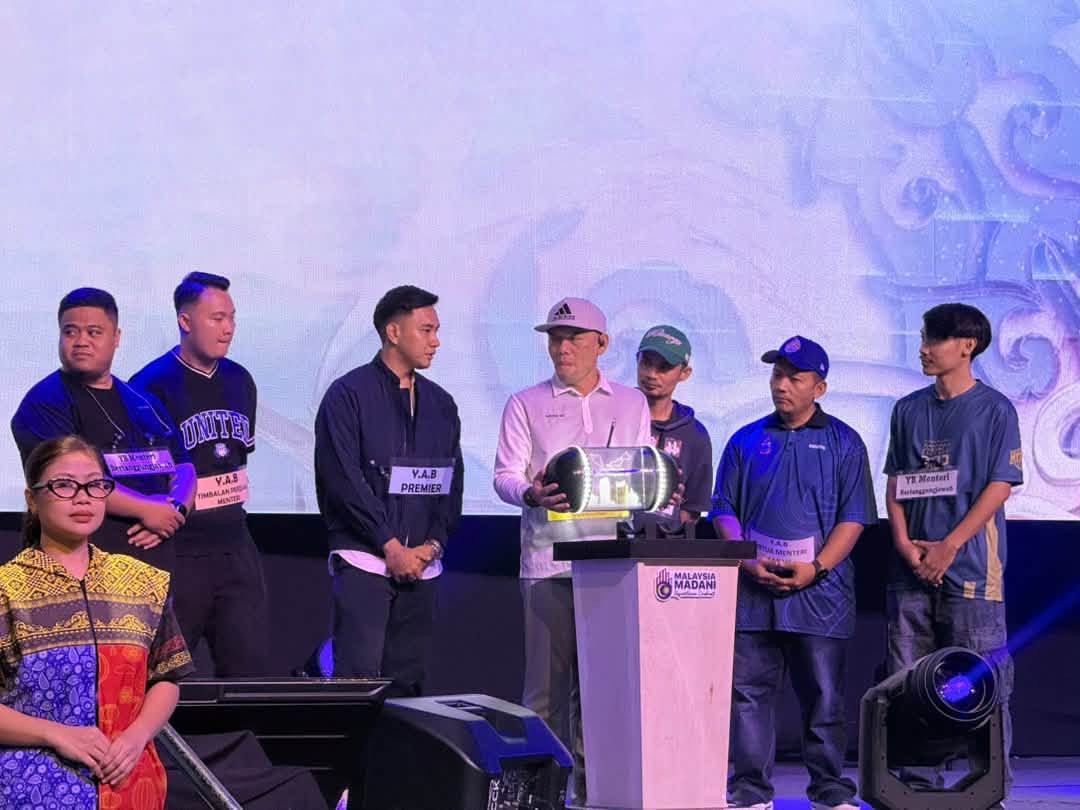
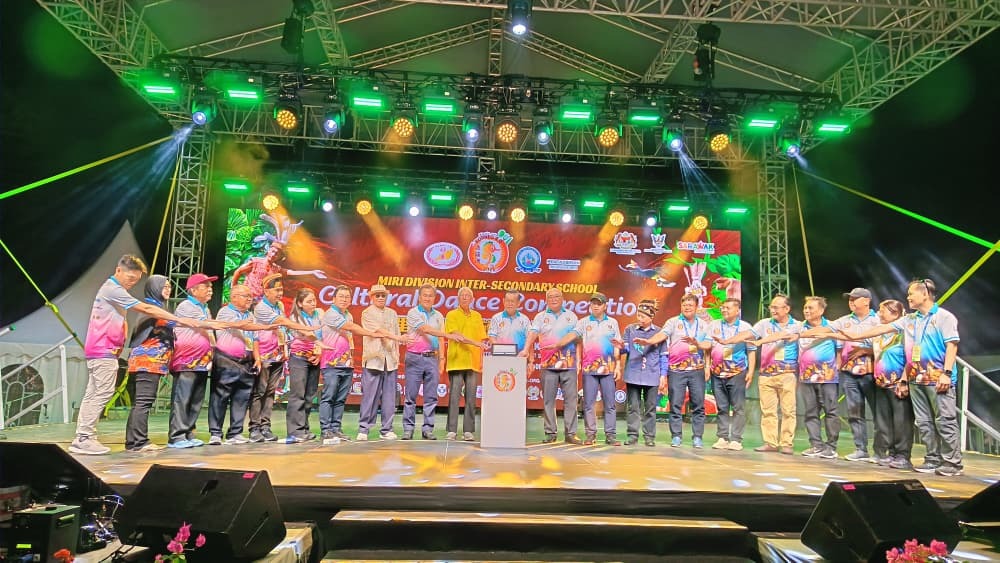
He was speaking at the launching of the Taste of Borneo 4.0 Grand Cultural Street Parade, here on Wednesday (July 1).
Also present were Deputy Minister for Tourism, Creative Industry and Performing Arts Datuk Sebastian Ting Chiew Yew, Miri Mayor Adam Yii Siew Sang, community leaders, representatives of ethnic associations and delegates from Brunei Darussalam, Sabah, Singapore, Indonesia and China.
Lee said Taste of Borneo had evolved beyond a cultural festival into a platform that strengthens community unity, celebrates Sarawak’s ethnic diversity and reinforces Miri’s position as a distinctive cultural tourism destination.
Congratulating the organising committee, he said the carnival had set new benchmarks, earning several Malaysia Book of Records recognitions for the scale of its ethnic performances, community collaboration and public participation.
“These records are not merely statistics. They reflect what can be achieved when communities come together with a shared purpose,” he said.
Describing the Grand Cultural Street Parade as one of the festival’s defining moments, Lee said the participation of representatives from nearly all of Sarawak’s ethnic communities demonstrated the state’s enduring spirit of unity.
“The sight of our people marching side by side in their traditional regalia sends a powerful message to Sarawak, Malaysia and the world. We may have different identities, but we share one home,” he said.
Lee said Sarawak’s cultural diversity remained one of its greatest strengths, with more than 30 ethnic groups contributing unique languages, customs, traditional attire, music and festivals.
“What makes Sarawak truly special is not only our diversity, but the harmony with which we celebrate and respect one another’s cultures.”
He urged young people to embrace their cultural heritage, saying traditions could only survive when they were passed from one generation to the next.
Lee also highlighted Miri’s strategic role in Sarawak’s future development, describing the city as a unique blend of cultural diversity, economic significance and natural attractions.
He said Miri continued to serve as the gateway to northern Sarawak, offering access to internationally renowned destinations such as Gunung Mulu National Park, Niah National Park and Lambir Hills National Park, while remaining an important centre for Malaysia’s oil and gas industry.
Lee added that programmes such as Taste of Borneo not only celebrate Sarawak’s traditions but also create opportunities for young people, strengthen community bonds and enhance Miri’s attractiveness as a cultural tourism destination.
He acknowledged the Sarawak Chinese Association, led by its president Harry Lee Tian Song, for its leadership in organising the event, while recognising the contributions of the association’s former presidents.
Special recognition was given to the festival’s Chief Ambassador, Dato Hii King Chiong, whom Lee credited for his unwavering support, generous contributions and commitment to the continued success of Taste of Borneo.