International Left-Handers Day
For teacher and therapist Ida Yasmine Ahmad, a child’s natural hand preference should be understood, not corrected — especially when forcing them to switch can turn everyday learning into frustration.
Born Left in a Right-Handed World
For some children, the hardest part of being left-handed is not using their left hand — but being told they should use the other one.
“Why does H get to use the special scissors all the time?!”
The innocent question raises a bigger issue: what happens when a child is made to feel that the way they naturally do things is somehow wrong?
As International Left-Handers Day is observed on August 13, Sarawakian teacher and therapist Ida Yasmine Ahmad believes the conversation should go beyond the usual claims about left-handers being more creative or gifted.
For her, it starts with how adults respond when a child begins showing a natural preference for using the left hand.
“Speaking from my own experience as a therapist and a teacher, I have no preference on which hand a child prefers to use,” she said.
When natural becomes ‘wrong’
Ida has encountered children who were encouraged, and in some cases pressured, to use their right hand instead.
Reasons ranged from the belief that using the left hand was rude to concerns that a child would be frowned upon for doing so, including cultural or religious beliefs.
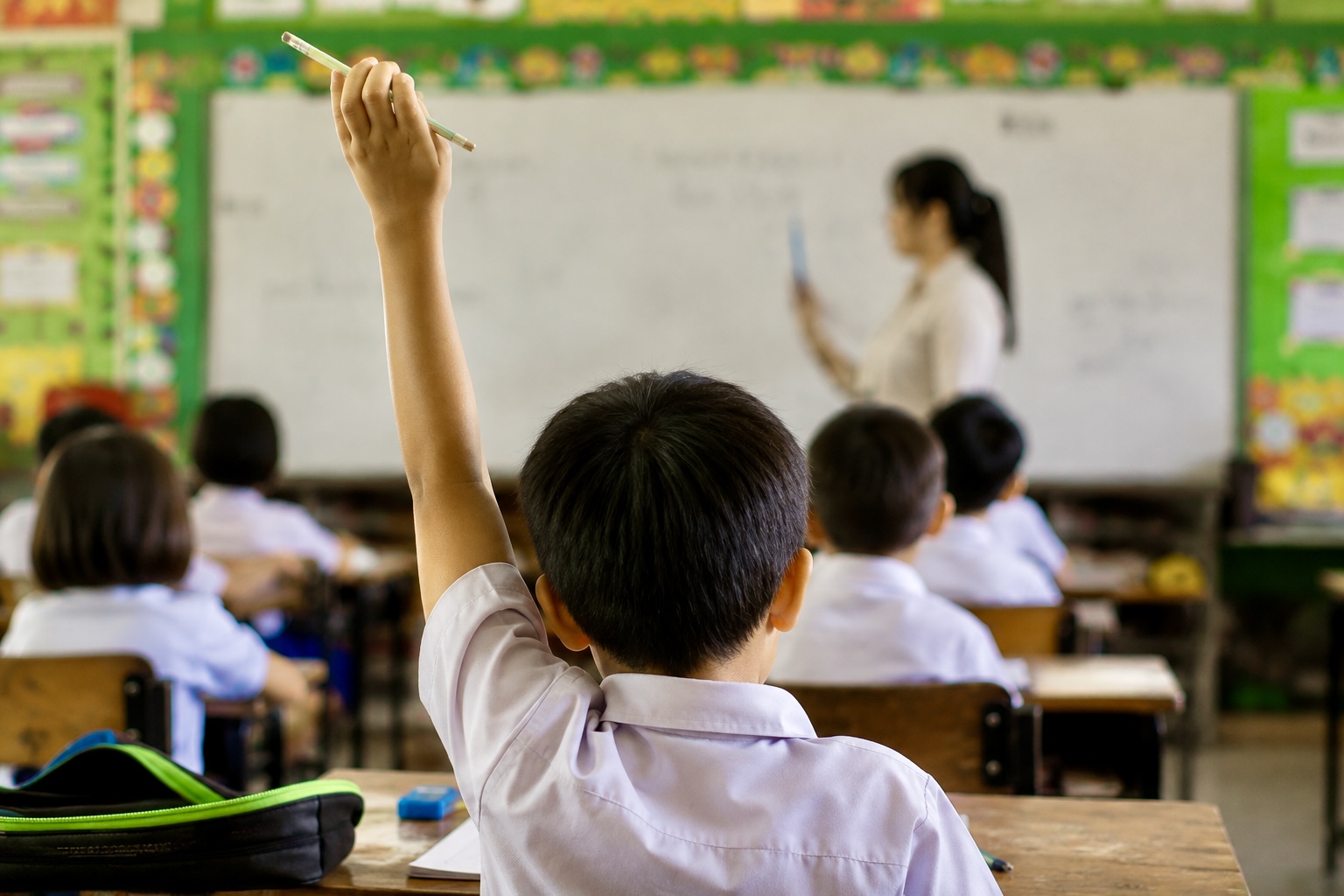
The difficulty, she said, is that children can become confused when they are repeatedly told to change something that feels natural to them.
Writing, in particular, could become challenging.
“Sometimes they get tired easily as they have to keep on changing, holding the pencil from left to right,” she said.
Some began refusing activities involving writing or colouring, while others became upset or threw tantrums when asked to do them.
For Ida, these reactions were not simply a matter of children being difficult. Repeatedly forcing them to switch hands could make an otherwise ordinary learning activity uncomfortable and frustrating.
“They are forced to change something that is naturally comfortable for them to something else,” she said.
She believes this can, in turn, affect their willingness to learn.
So, should adults intervene?
Ida’s answer is straightforward: there is little reason to train a naturally left-handed child to use the right hand simply because it is considered more acceptable.
“If a child prefers to use the left hand, it means that the child is developing a left hand dominance and vice versa.
“As a teacher working with young learners, the most important matter is what the child is comfortable with,” she said.
Rather than correcting the child, she believes adults should allow them to develop their own way of doing things.
That does not mean left-handed children never encounter difficulties. Often, the challenge lies in the environment around them.
When the classroom is designed for the majority
According to Ida, the difficulties left-handed children face can have more to do with the resources available to them than with their ability to learn.
There are materials designed specifically for left-handed children, but they may not always be easily accessible because of cost, availability or simply a lack of awareness.
Even small classroom arrangements can make a difference.
Ida does not believe teachers need to make a dramatic distinction between left- and right-handed pupils. Instead, she makes small practical adjustments when necessary.
“If I want them to do anything scissors-related, I make sure that the child who is left-handed will be positioned on the side of the table where it is safe,” she said.
Learning to let children be children
Ida’s approach has been shaped by her experience working with young learners with different abilities and needs.
“All children do things according to their preference and they do not care about what you think!” she said.
Her philosophy is simple: if something is easy, safe, comfortable and, most importantly, fun for a child, adults should not be too quick to interfere.
“I always put my expectations low so that whatever the outcomes are, I shall be excited and happy about it nonetheless.”
A teacher’s experience in Japan
Ida is currently working in an international school in Japan, although she stresses that her experience does not represent Japan’s public-school system.
She said some parents want their children to blend in with their peers and may be uncomfortable when teachers provide additional adjustments, as this can be perceived as suggesting that something is “wrong” with the child.
She recalled being told on several occasions to correct a left-handed pupil so that the child would use the right hand.
But sometimes, she admitted, her “inner rebellious child” came out.
“I just conveniently ignored them and just did what my student feels comfortable with,” she said.
Her reasoning is simple.
“I strongly believe that the child’s need comes first above everything else.”
She also makes an effort to ask her young learners for their thoughts and opinions when introducing changes or new activities in class.
Giving children choices, she said, can make them feel more comfortable with change.
Different does not mean difficult
Despite the challenges, Ida has not observed anything dramatically different between left- and right-handed children when it comes to adapting.
What she has noticed is something much more ordinary — children notice when their classmates are doing things differently.
To adults, special scissors may represent an accommodation. To children, they are simply a tool that makes something easier.
Supporting a left-handed child does not necessarily mean making them feel different. Sometimes, it simply means giving them the tools and space to participate comfortably alongside everyone else.
Beyond the stereotypes
Left-handedness has long been surrounded by myths, including the popular belief that left-handers are inherently more creative, intelligent or gifted.
For Ida, however, one misconception is particularly important to challenge.
“They are not rude or anything.”
A child’s preference for using the left hand, she believes, should not be treated as bad behaviour or something that needs to be corrected merely to satisfy social expectations.
For parents who have just noticed their child consistently favouring the left hand, Ida’s advice is perhaps the simplest part of the entire conversation.
“Go with the flow. Let nature take its place.”
Unless there is a genuine concern about a child’s development or safety, she sees little reason to turn hand preference into a battle.
“Leave them alone. Stress yourself less.”
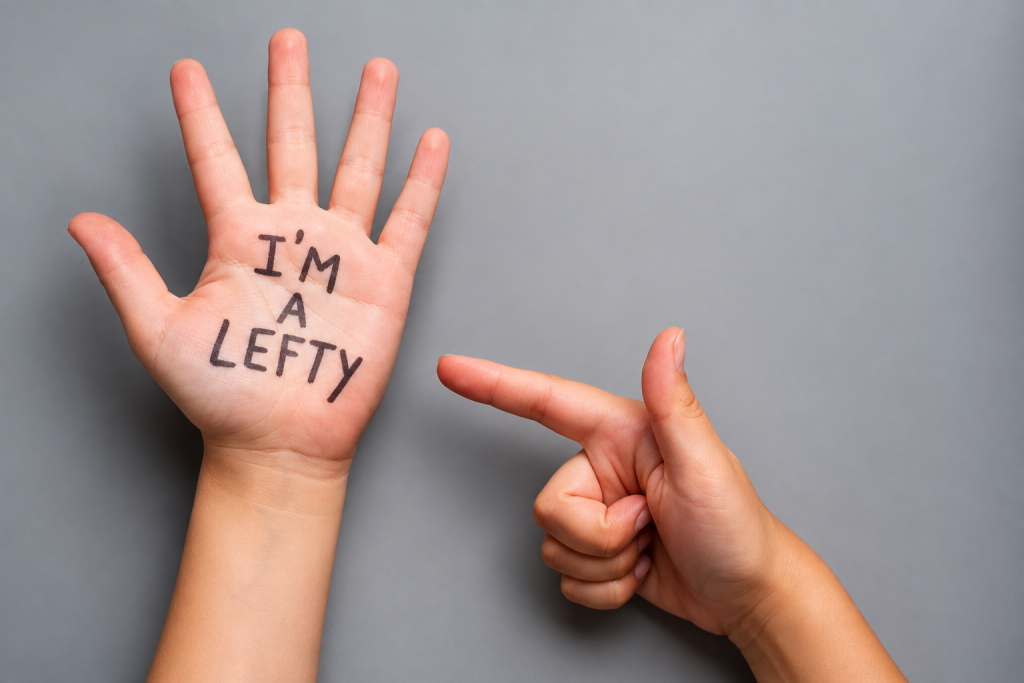
And perhaps that is what International Left-Handers Day offers beyond celebrating the estimated one in 10 people who are left-handed: a reminder that children do not always need to be made more like everyone else.
Sometimes, the best thing adults can do is give them the confidence — and the space — to find their own way.