
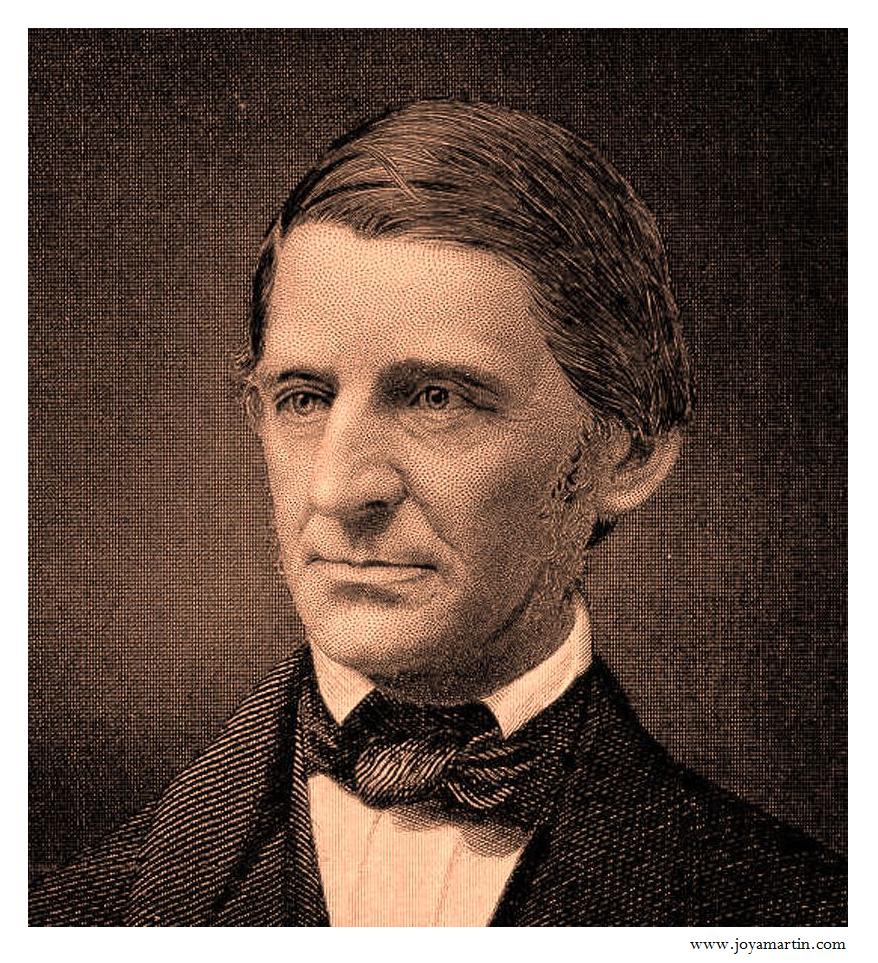
– Ralph Waldo Emerson (1803-1882), an American essayist, lecturer, poet and philosopher, widely regarded as one of the most influential thinkers of 19th-century America.
WHILE crossing a rocky stream, we paused to refill our water containers and pretended we were not exhausted. By we, I mean a group of Boy Scouts on a weekend camping trip – ten boys from a government boarding school on the edge of Serian town.

I was the troop leader, a distinction awarded not for wisdom or competence, but because I was the oldest and had accumulated the most badges sewn onto my uniform.
It was a Saturday morning in 1969. I was sixteen, a Form Four student trying very hard to look dependable. No one questioned my authority, least of all me. At sixteen, certainty comes free of charge and usually without supporting evidence.
The stream water was cold enough to sting the fingers. Mist hovered above it in thin white ribbons. Somewhere in the distance, a bird called out. We checked our bearings, studying the compass as if any of us truly understood what we were doing.
Then we began the climb.
The mountain was not especially high by geographical standards. The trail, worn smooth by villagers over many years, rose sharply through damp earth and tangled roots. The younger boys charged ahead at first, laughing too loudly, fuelled by biscuits and optimism. That faded quickly.
Sweat soaked through our shirts. Leeches appeared occasionally. The jungle smelled of wet leaves, mud, and something ancient quietly decomposing beneath us.
Now and then, someone would ask, “How much further?” – the most useless question ever invented during a climb. No answer has ever improved the situation.
Still, we carried on.
Two hours later, we reached the summit, though “summit” makes it sound grander than it was. We saw taller mountains beyond ours, which was merely a modest rise in the land. Yet after a difficult climb, even an ordinary hill acquires the dignity of Everest.
The vegetation at the top consisted of stubborn little trees twisted by wind and weather. They stood with enough gaps to reveal the valley below.
And there it was: the world stretched open before us in layers of green fading into pale blue distance. Rivers glinted faintly like cracks in glass. The village below looked small.
We spread ourselves across the rocks in silence. Some boys sat. Some lay flat on their backs. One immediately began eating. We stared out over the landscape with the solemn exhaustion of people who wanted badly for the suffering to feel worthwhile.
And somehow, while catching my breath, a thought wandered into my head uninvited.
Life, I realised, was a series of hills and valleys.
Even then, the idea struck me as suspiciously literary, as though I had accidentally stolen it from a book and forgotten the source.
Perhaps I had. Most of our profound thoughts are recycled anyway. Human beings spend centuries rearranging the same handful of truths and pretending each generation invented them fresh.
Still, the thought lingered.
No wise elder was beside me offering philosophical guidance. No dramatic revelation. No thunderclap from heaven. Just a tired schoolboy sitting on a rock with aching legs and muddy socks, suddenly ambushed by metaphor.
“That’s interesting,” I thought.
And that was the end of it.
Philosophy can’t really compete with hunger when you’re sixteen. My knees hurt, my lungs burned, and my stomach was arguing persuasively for lunch.
After another hour, we climbed back down and returned to the riverbank where we intended to camp for the night.
The plan was straightforward: pitch tents, cook rice badly, frighten one another with ghost stories, sleep badly, and return to school the next day feeling heroic for having survived conditions villagers considered perfectly ordinary.
At that age, hardship still felt romantic.
Years passed before the thought returned.
School ended. Adulthood began – though began is perhaps too neat a word for the slow confusion that follows youth. Life unfolded unevenly, as it does for most people.
I collected responsibilities, disappointments, unpaid bills, and the peculiar fatigue that comes from realising nobody actually knows what they are doing.
Somewhere along the way, amid difficulties both dramatic and absurd, I remembered that morning on the hill.
This time, the metaphor stayed.
I began to see life as a vast landscape of hills and valleys. The hills represented those rare periods when things worked: achievement, peace, confidence, moments where the machinery of existence stopped rattling long enough for you to believe it might finally hold together.
The valleys, meanwhile, were reserved for failure, grief, uncertainty, loneliness, and quiet humiliations of adulthood.
My personal landscape was not especially scenic.
It resembled less a picturesque countryside and more a waterlogged construction site abandoned midway through development.
The hills were unexpectedly steep. The valleys were damp. Everything felt slippery. Every climb demanded more energy than seemed reasonable.
And yet the pattern repeated endlessly.
You fall into a valley. At first, you assume it is temporary. Then days pass. Sometimes years. The valley becomes familiar. You wake each morning with the vague sensation that life has misplaced something important but refuses to say what.
Motivation vanishes like a worker who goes for lunch and never clocks back in.
People offer advice, of course.
“Stay positive.”
“Everything happens for a reason.”
“What doesn’t kill you makes you stronger.”
These sayings float through difficult times like decorative balloons — colourful, lightweight, and utterly useless under pressure.
So, you begin climbing again, not because you are inspired, but because remaining where you are eventually becomes unbearable.
Human beings are strangely durable creatures. We continue largely out of habit. You solve one problem, then another. You pay a bill. Attend a meeting. Survive a disappointment. Wash dishes.
Progress arrives in embarrassingly small increments, so you celebrate tiny victories with disproportionate seriousness.
Some days the achievement is merely getting through without shouting at anyone. Other days it is remembering where you left your glasses while they are still on your face.
Then, after enough effort, you reach another hilltop.
And there it is again: perspective.
From above, the valleys seem survivable. You look back at everything you endured and think perhaps you have finally understood life.
Perhaps this time you have become wiser. Stronger. Better adjusted. You stand there feeling almost dignified, which is dangerous, because dignity attracts catastrophe the way picnic food attracts ants.
For me, this illusion usually lasts about five minutes.
Sometimes less.
Then reality clears its throat.
Something breaks. A new problem appears. An unexpected expense arrives folded neatly inside an envelope.
Another descent. Another valley. Different scenery perhaps, but the same emotional weather: grey skies, muddy footing, and the persistent suspicion that life is improvising badly.
Over time, you notice how repetitive the whole arrangement is. Society speaks about life as though it were a grand heroic quest, but often it resembles a malfunctioning escalator. Up a little, down a little, repeat until retirement or death — whichever administrative process concludes first.
Even joy becomes complicated.
Sometimes you cannot fully enjoy the climb because part of you is already anticipating the fall. You stand on a beautiful hilltop while mentally calculating how much the descent is going to hurt. Happiness develops conditions and disclaimers. Peace feels temporary, like good weather during monsoon season.
You begin climbing with caution instead of excitement.
And perhaps that is adulthood: not the loss of dreams, but the loss of surprise regarding gravity.
Yet despite all this – despite the repetition, exhaustion, and absurdity — something keeps us moving.
Looking back now, I realise the sixteen-year-old boy sitting on that rock understood more than he knew.
The hills are not merely rewards, nor are the valleys simply punishments or misfortunes. Together they form the shape of a life. Without valleys, we would never recognise elevation.
Without struggle, achievement would feel flat and strangely weightless. A summit means something, precisely because climbing required effort.
Even despair serves a purpose, unpleasant though that may sound. Valleys force stillness upon us. They strip away illusions. They reveal who stays, who leaves, and what matters when comfort disappears. In valleys, we discover the uncomfortable truth that resilience is rarely noble-looking. Most resilience is quiet, repetitive, and profoundly uncinematic.
It is simply getting up again.
Again.
And again.
Perhaps that is all human beings have ever really done.
We keep walking through uneven terrain while pretending we know the route. We celebrate briefly on hilltops before descending once more into confusion.
And maybe the mistake is assuming we were meant to conquer the landscape at all.
Perhaps life was never a problem to solve or a mountain to defeat. Perhaps it is merely a long walk on changing ground – muddy in places, beautiful in others, occasionally ridiculous, often tiring, but still strangely compelling despite itself.
That morning in 1969, sitting on a hill above the valley, I believed the view was the reward for the climb.
Now I think the climb was the reward, though not in the sentimental way greeting cards would have us believe.
The climb mattered because it reminded us that we were still moving. Still capable of carrying on despite discomfort, uncertainty, and aching legs.
After all, even five minutes on the summit can be enough.
Enough to catch your breath.
Enough to look around.
Enough to remember, before the next descent begins, that there was once a view worth climbing for.
The views expressed here are those of the writer and do not necessarily represent the views of the Sarawak Tribune. The writer can be reached at www.hayhenlin@gmail.com