Pooling resources reduces costs
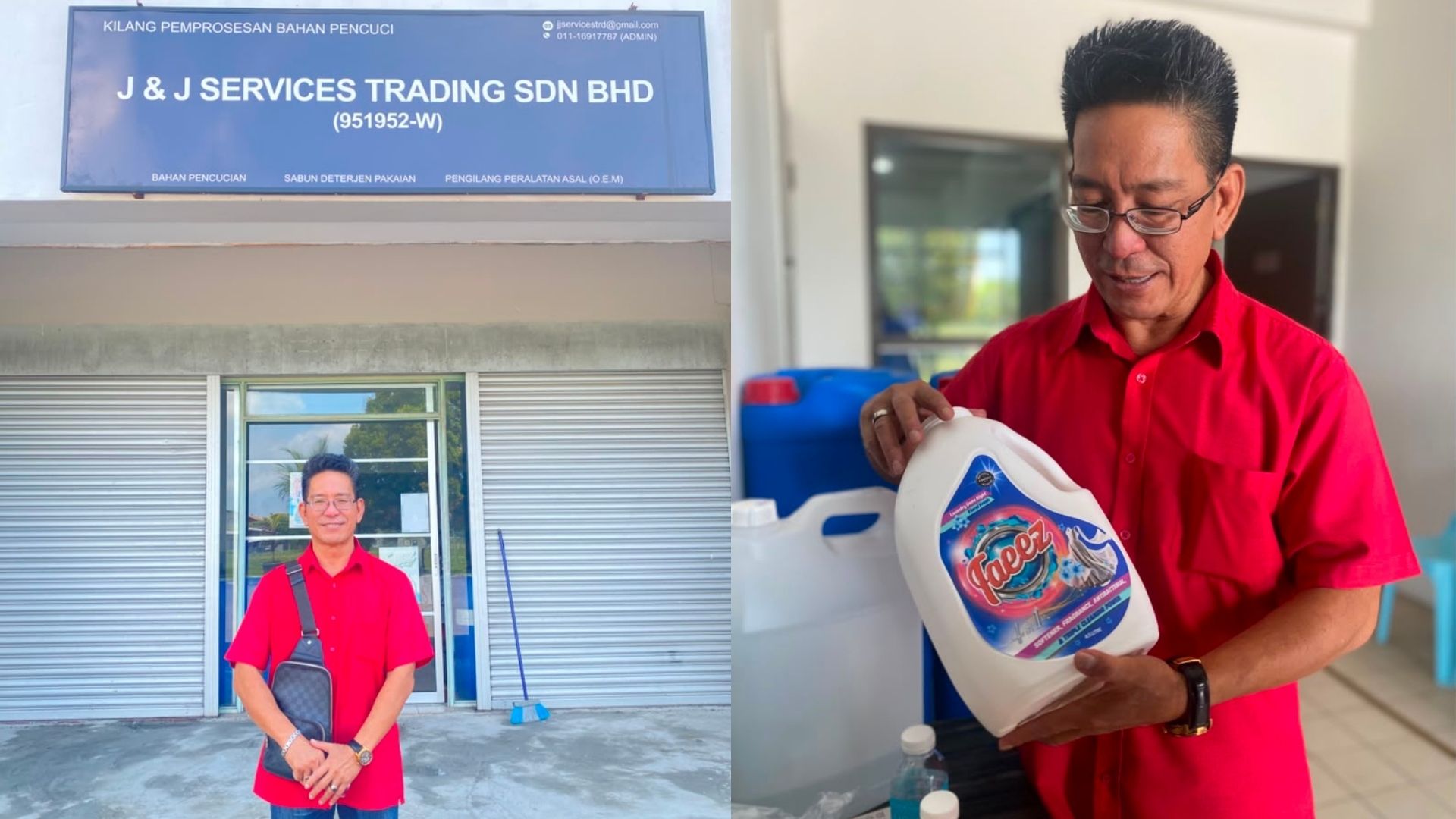
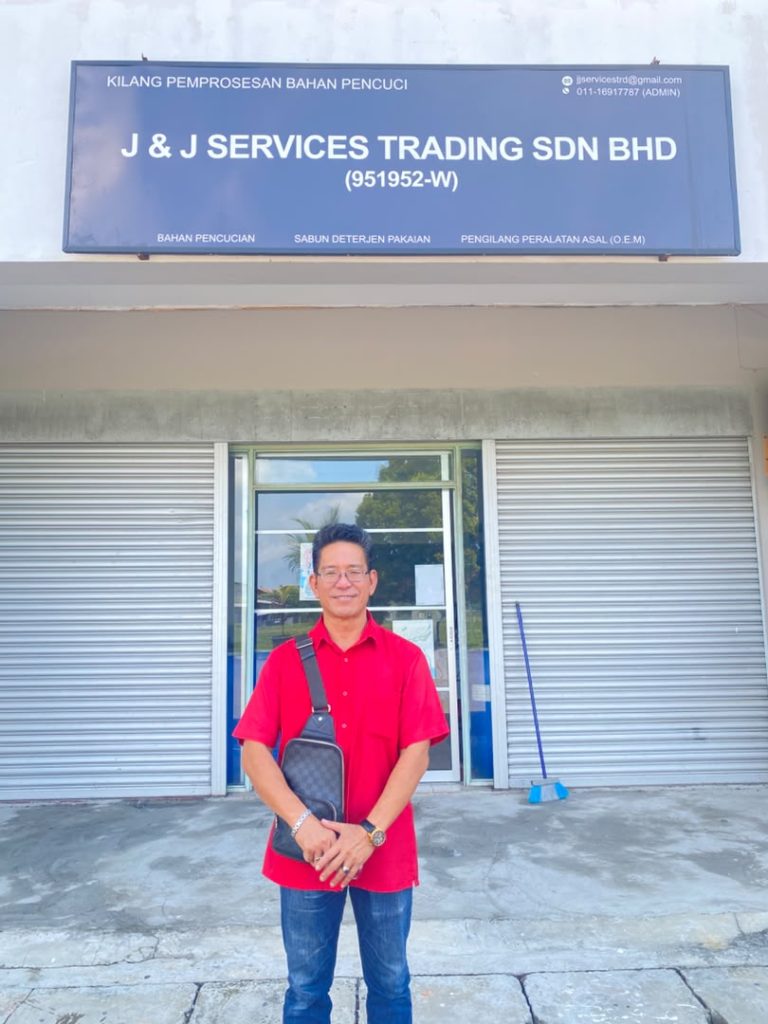
KUCHING: High logistics costs and limited access to financing remain the biggest hurdles for Sarawak-based detergent manufacturer FAEEZ Detergent as it seeks to expand beyond the state.
Founder Addruce Mijim Abdullah said the company is focused on strengthening its position as a recognised Sarawak brand before venturing further into northern and central markets, where transportation expenses and the working capital needed to supply major supermarket chains pose significant challenges.
“We cannot say we are a national brand yet. But as a state brand, perhaps yes,” he said in an interview with Sarawak Tribune.
Addruce believes FAEEZ products have the potential to gain wider recognition, particularly with continued consumer support for locally manufactured products that meet Ministry of Health (MOH) standards.
“If everything is managed properly, from educating consumers to ensuring our ingredients and manufacturing processes comply with approved standards, it is not impossible,” he said.
However, he said expanding outside Sarawak comes with a major cost disadvantage, as supplying large supermarket chains requires substantial working capital despite relatively thin margins.
“The cost is high, but the margins are small. We have to manage them carefully,” he said.
To bring transportation expenses down, FAEEZ is exploring collaborative logistics arrangements that would allow several manufacturers to share container space rather than ship their products separately.
“If one company ships alone, the transport cost may be RM10. But if five companies consolidate their shipments, the cost could drop to RM2 each. That is one way we can reduce costs,” Addruce said.
The challenge, he added, is finding businesses willing to consolidate shipments and coordinate their delivery schedules.
“It is not easy to counterbalance the costs we have. Transportation is still very challenging,” he said.
FAEEZ has also restructured parts of its supply chain to reduce production costs and improve efficiency.
Addruce said plastic bottles previously sourced from Ipoh cost RM2.30 each, with freight adding another RM2.30 and pushing the total cost to about RM4.50 per bottle.
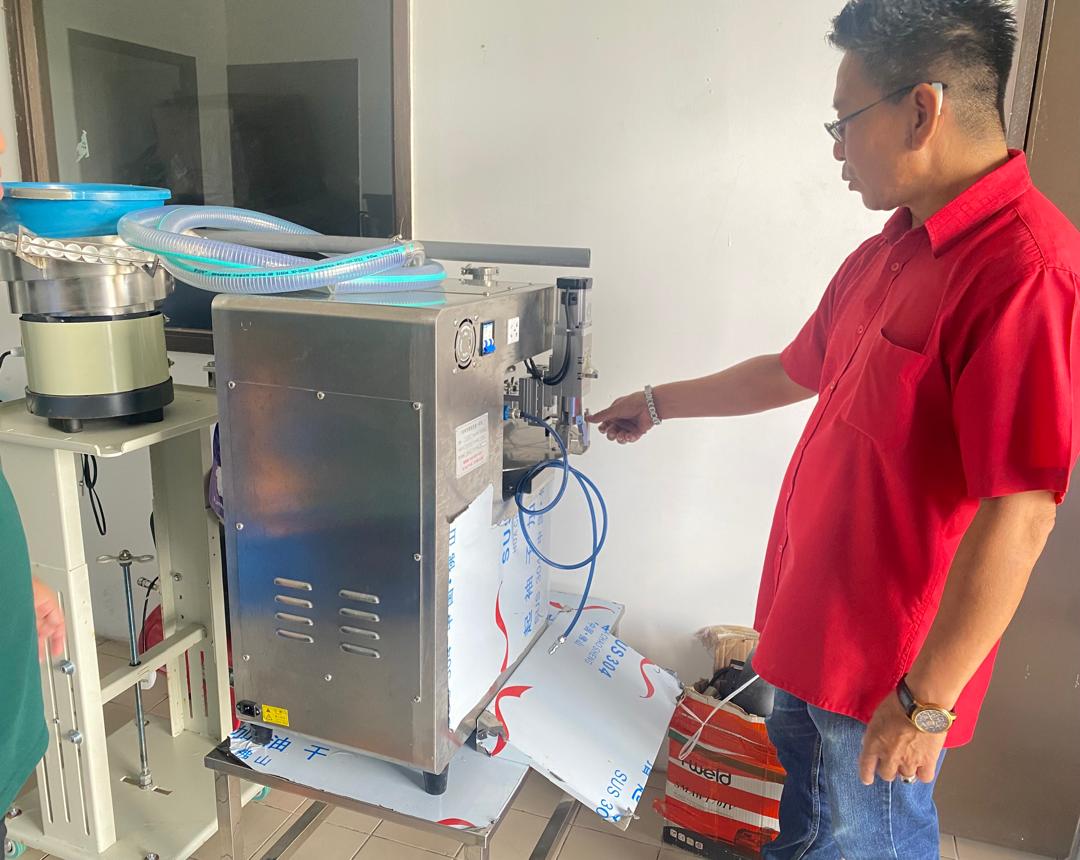
The company subsequently commissioned a custom bottle mould in China and engaged a Sarawak manufacturer to produce the bottles locally.
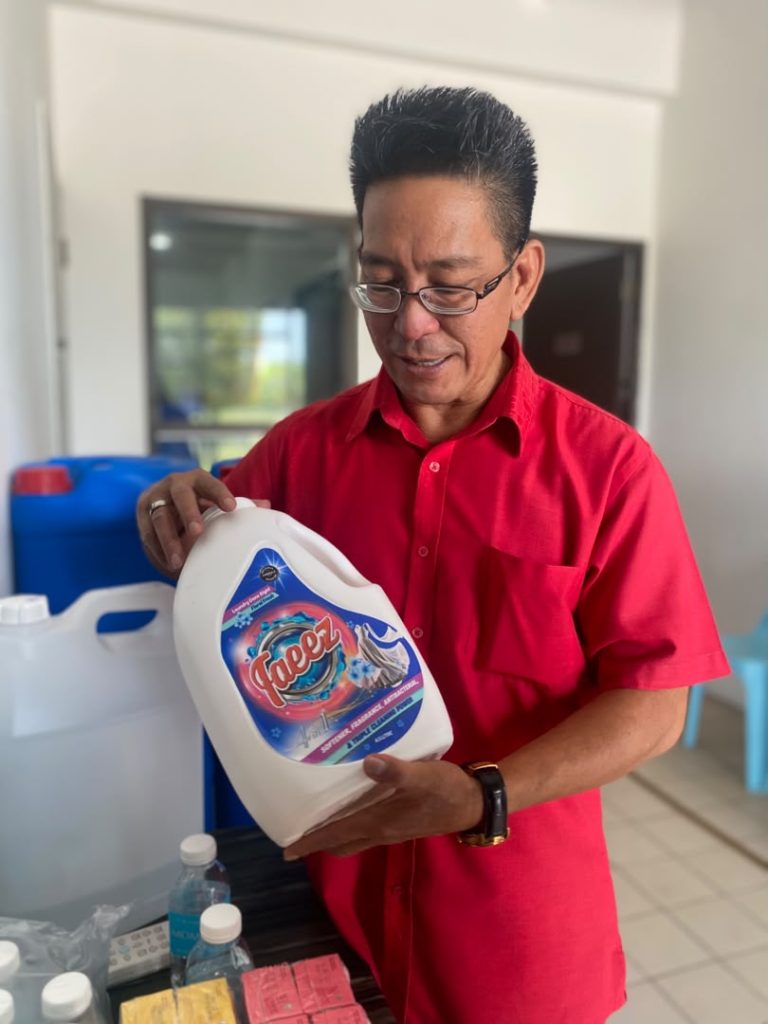
The move reduced packaging costs to about RM3 per bottle while allowing FAEEZ to order according to its production needs rather than wait until it had enough volume to fill a 40-foot container.
“We look for ways to solve problems instead of accepting higher costs,” Addruce said.
FAEEZ has adopted a similar approach for its raw materials, sourcing most of them through suppliers in Sarawak that consolidate imported materials on the company’s behalf.
Addruce said importing chemicals directly from China would require import licences and dedicated storage facilities, making the arrangement with local suppliers more practical.
“We arranged it this way with our suppliers because importing directly from China requires import licences and proper storage facilities. Working with local suppliers makes operations much easier,” he said.
The importance of a resilient supply chain became particularly clear during the global supply chain disruption, when shortages of plastic bottles prevented FAEEZ from fulfilling orders despite having sufficient detergent stock.
For about two months, the company had to ration deliveries to retailers.
“If customers ordered 100 cartons, we could only deliver 60. If they wanted 30 cartons, sometimes we could only supply 10,” Addruce said.
Suppliers also helped FAEEZ overcome its limited storage capacity by allowing purchased raw materials to remain at their premises until they were needed for production.
“Our suppliers understood our situation because our products move quickly. They allowed us to keep our materials there until we needed them,” he said.
Despite the financial and operational constraints, Addruce remains optimistic about FAEEZ’s prospects.
He said the company’s immediate priority is to cement its reputation as a trusted Sarawak brand while continuing to improve logistics and production efficiency before gradually expanding into wider markets.