As we celebrate Malaysia Day, Kuching’s heart beats with history and harmony – from century-old cotton trees and heritage shop houses to kopitiams and bustling lanes, where every smile and conversation reflects Sarawak’s enduring spirit of unity.
The enduring spirit of togetherness that spans generations
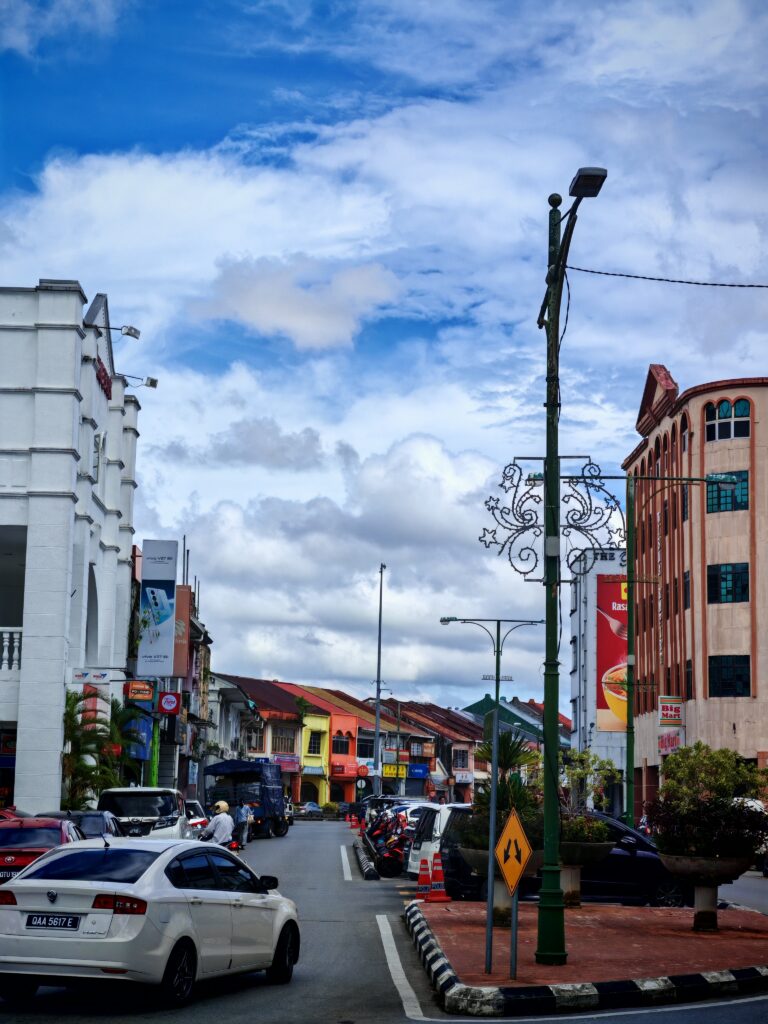
THE sun’s rays shine over Sarawak, embodying a new day rising above the state. Vehicles and people fill the streets, hurrying through their routines. Chatter and banter echo around, yet a rhythm of harmony remains as people of different backgrounds share one identity – that of being a Sarawakian in Malaysia.
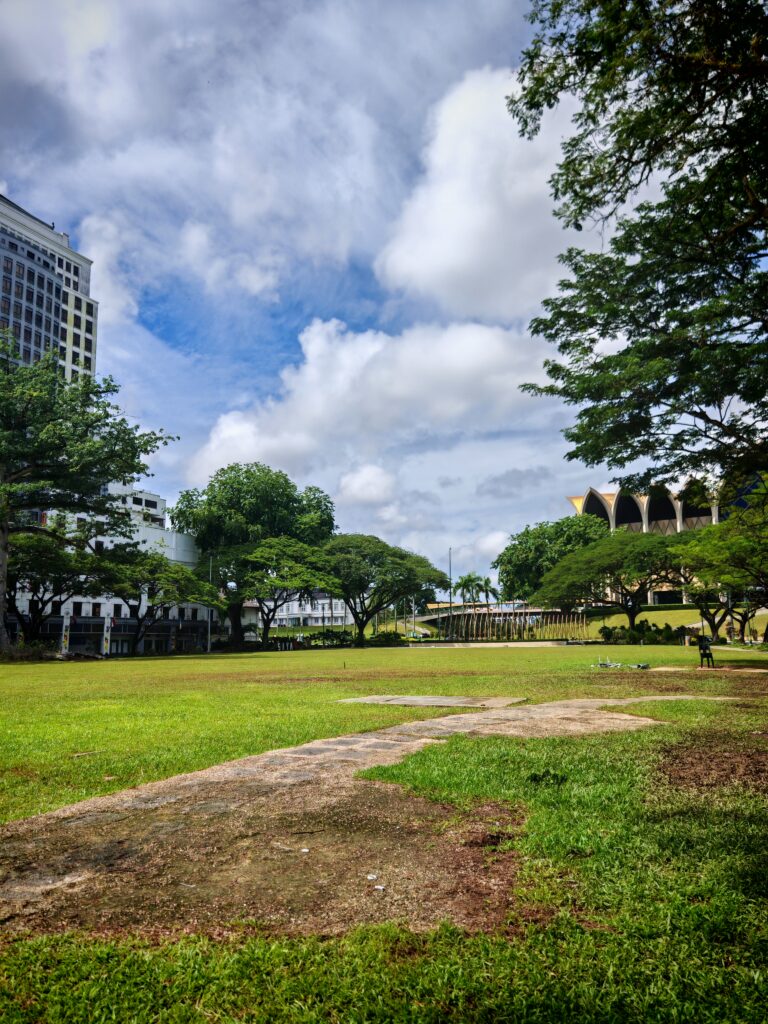
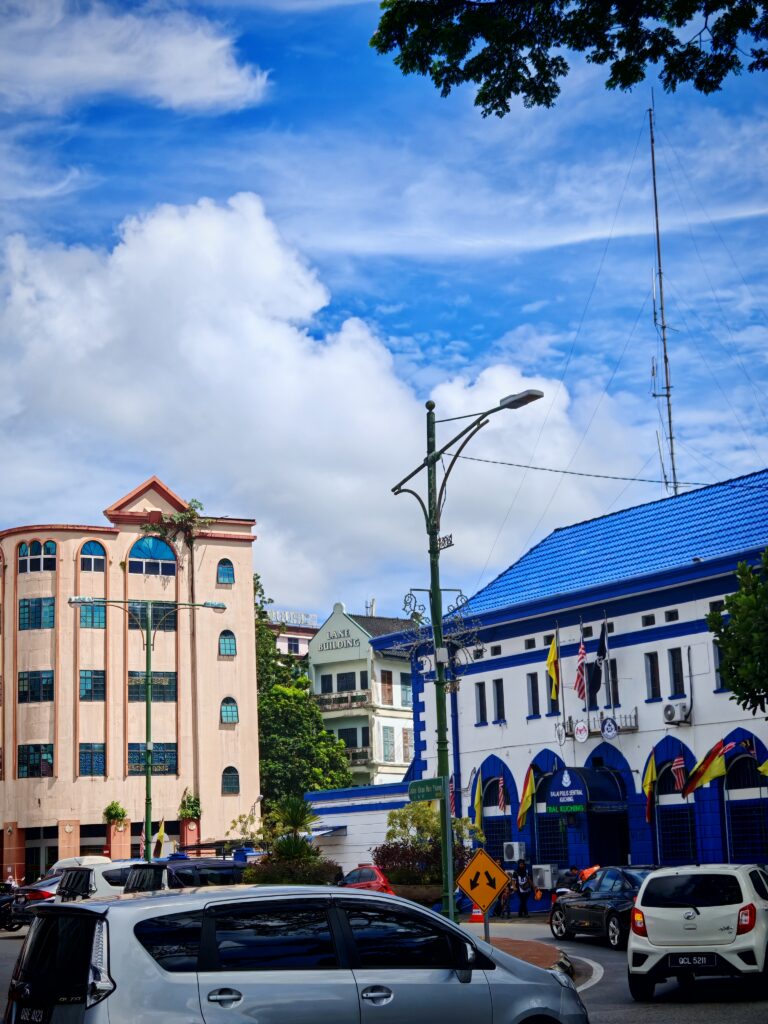
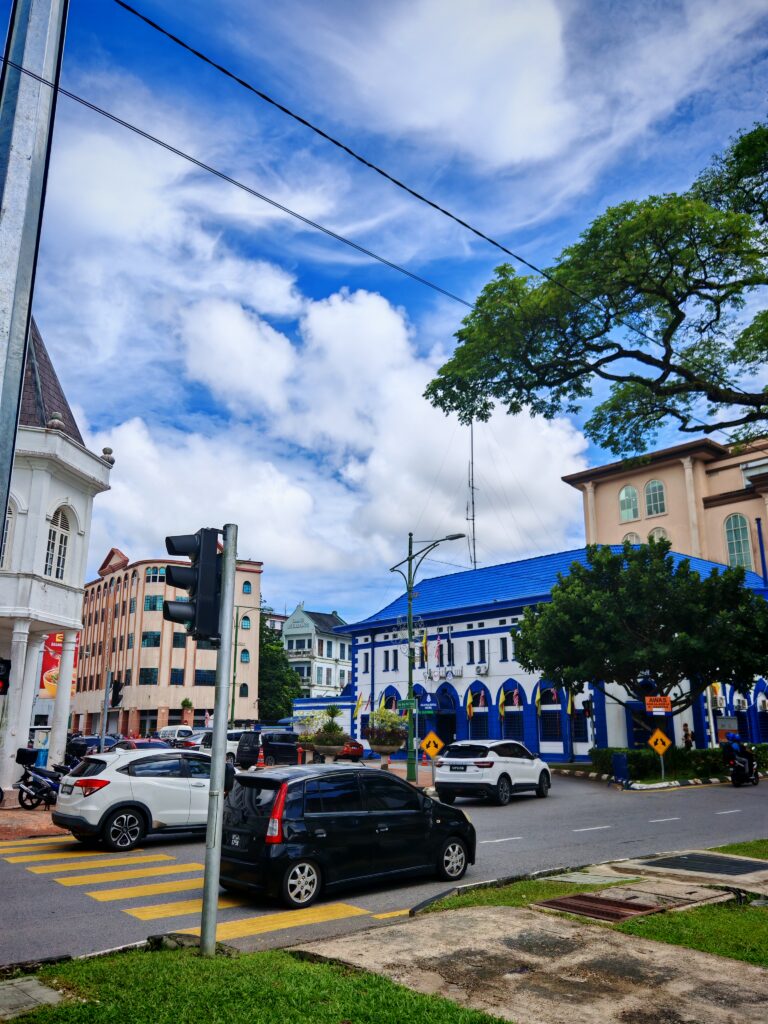
Standing at Padang Merdeka, Kuching, the wind sweeps through the century-old cotton tree that has borne silent witness to change over time. Framed by colonial-era buildings, old developments and newer ones, the walls around tell stories stretching back decades.
With much of its architecture untouched and well-preserved, the people who walk through these familiar streets describe a unity between races – a testament to Sarawak’s identity. At Hiap Yak Tea Shop on Kai Joo Lane, just a stone’s throw from Padang Merdeka, sipping its famous butter coffee, one’s mind drifts through the aged-old architecture of the shop.
Faded, peeling paint, wooden furniture and cobwebbed corners – these small details hold memories from yesteryear.
“Auntie, what’s the difference between then and now?” I asked.
Busy serving drinks, she paused to reply: “Actually, not much has changed. We are still as peaceful as ever.”
As she placed ice from her refrigerator into glasses of coffee, the sight felt unusual in today’s world, where many would opt for commercial ice packs stored in coolers. Her way was traditional – if you don’t freeze the ice properly, you won’t have enough for your customers.
“Many tenants have moved out of Kai Joo Lane due to retirement, replaced by newer ones. Other than that, nothing has really changed. People come and go, surviving on what they can. Regardless, we remain at peace.”
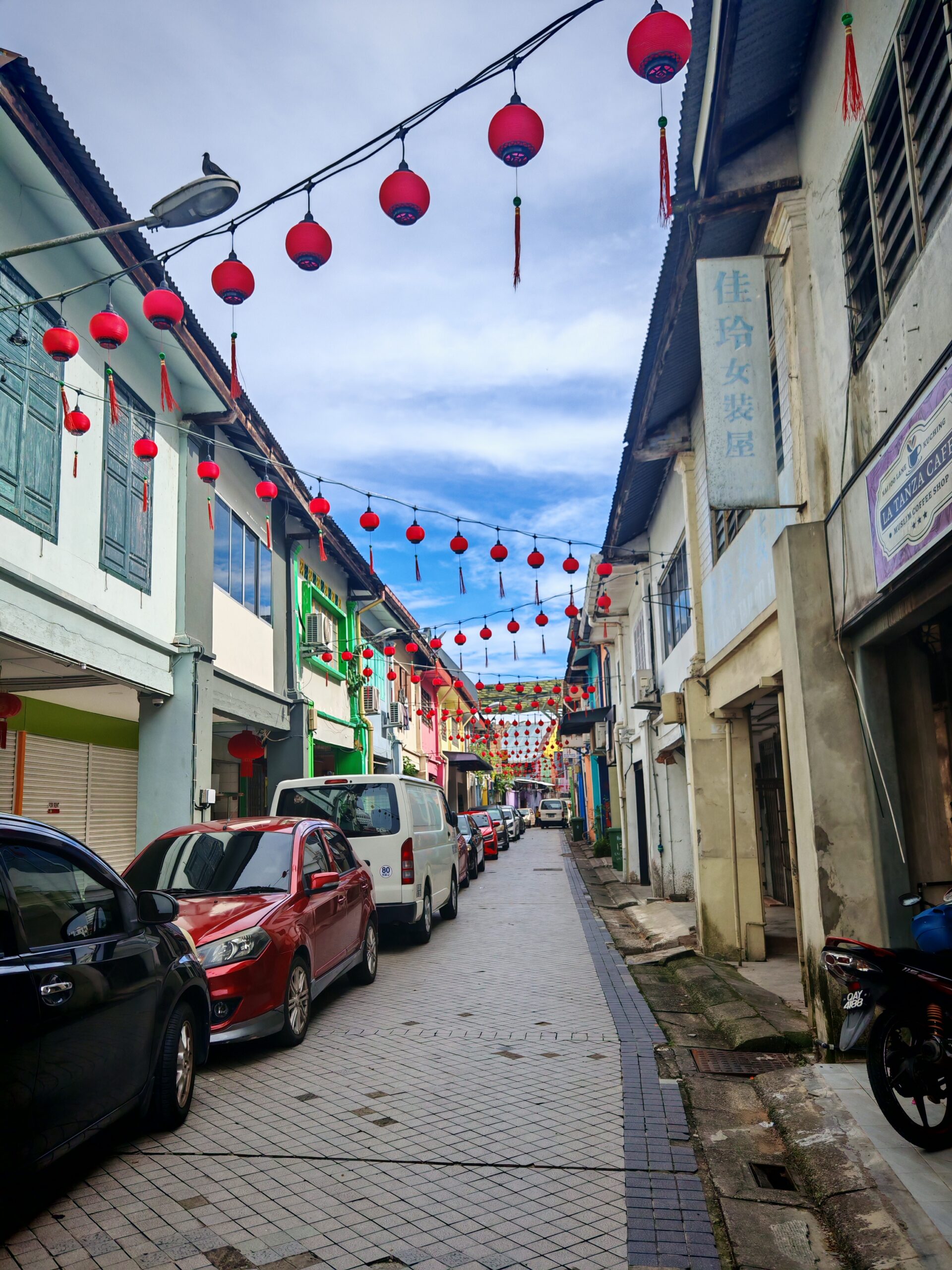
Kai Joo Lane – two rows of shop houses standing since 1923 – was built by Teo Kai Joo. Rich in history, it was once notorious before the war for opium dens, a red-light district and coffin shops.
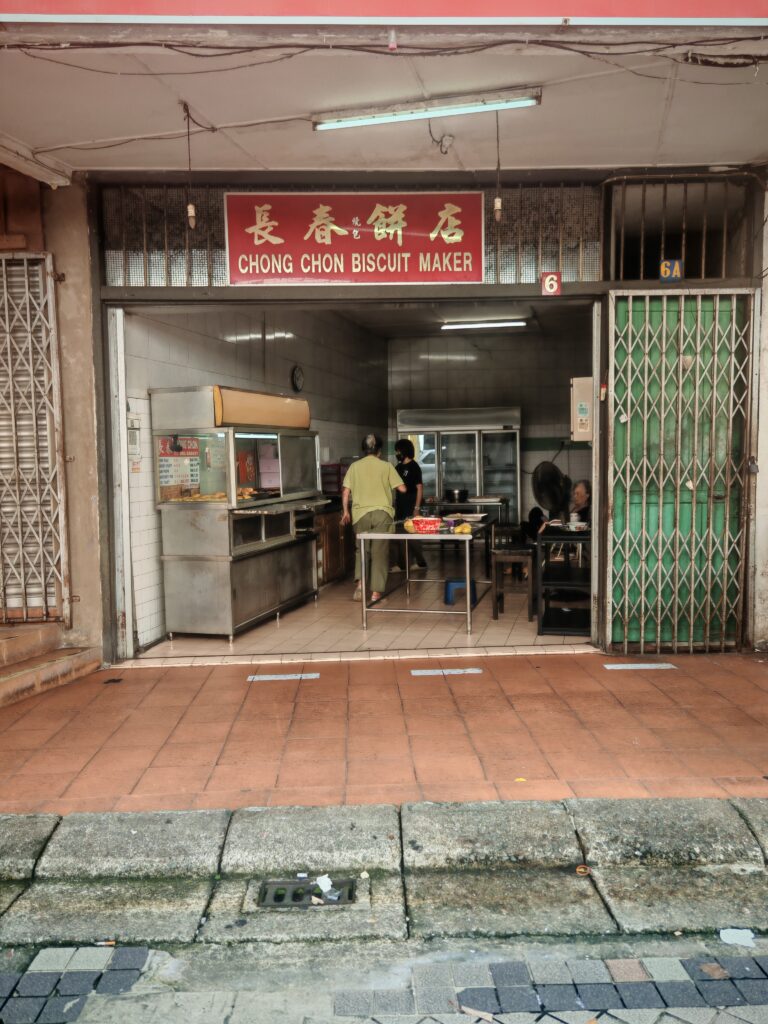
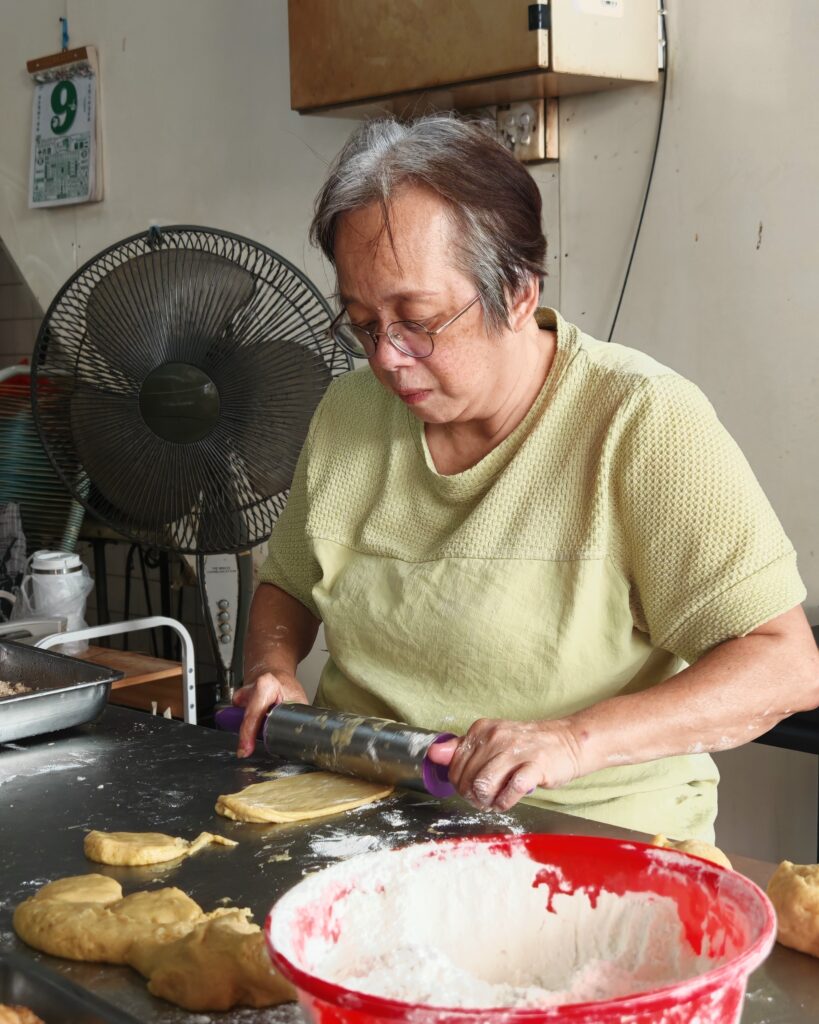
A narrow juncture linking Jalan Khoo Hun Yeang and India Street, the lane is often overlooked, yet many still pass by. ‘Chong Chon Biscuit Maker’ owner, Anna Chui, shared that her grandparents had lived in the same shop house for over 80 years. Chui herself, now 60, has watched the area develop from rural beginnings to urbanisation.
“We are unique here in Kuching, Sarawak. I feel we’re not particular or choosy – everyone is a friend, and we keep in touch with one another. Whether Malay, Chinese, Dayak, Indian, or even tourists, we are always welcoming,” Chui said.
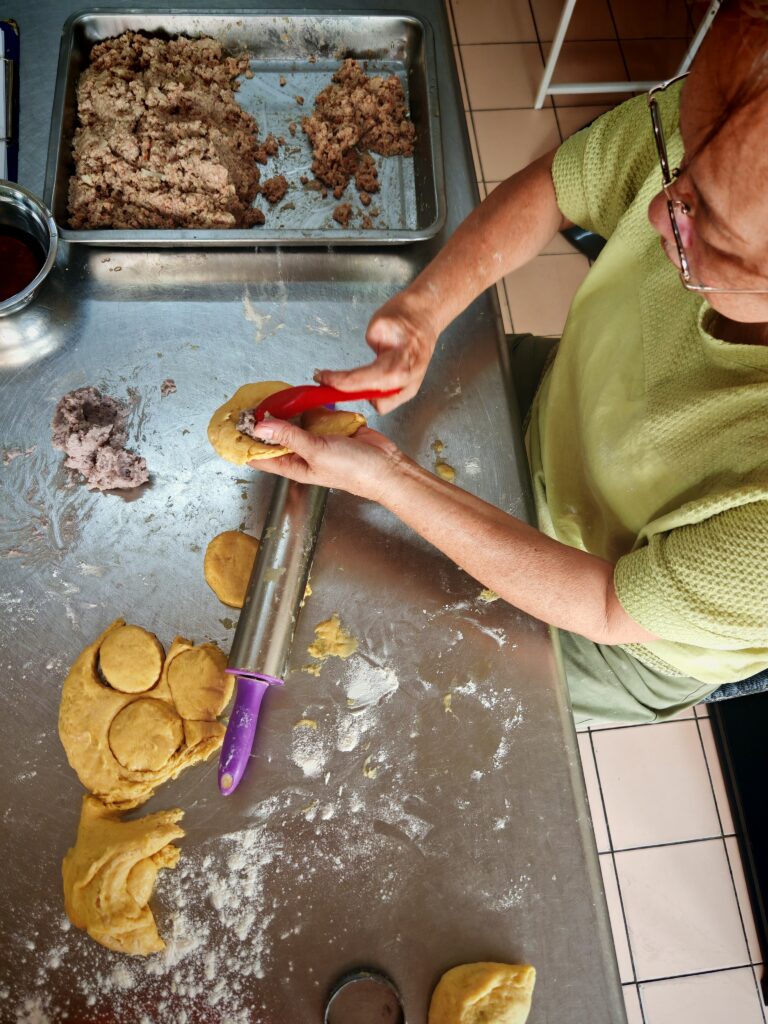
As she rolled out dough for her siew pao, her eyes glistened with pride that Sarawak remains peaceful, even as the roofs of Kai Joo Lane have been replaced three times – from tin sheets to proper roofing. For her, these changes symbolise progress, built upon unity and harmony.
Two rows down from her shop, rows of kopitiams house Malay, Chinese, Indian and Dayak stalls, drawing a multiracial clientele. This unique character is not confined to Kai Joo Lane but can be seen throughout Sarawak – where food continues to bring people together across cultures.
“I am grateful for Sarawak. When my mother, who was born in Hong Kong, migrated here, she too was grateful – our region is free from natural disasters, the people are peaceful, and development is steady. There is no racism here. Regardless of our background, we can all communicate,” Chui added.
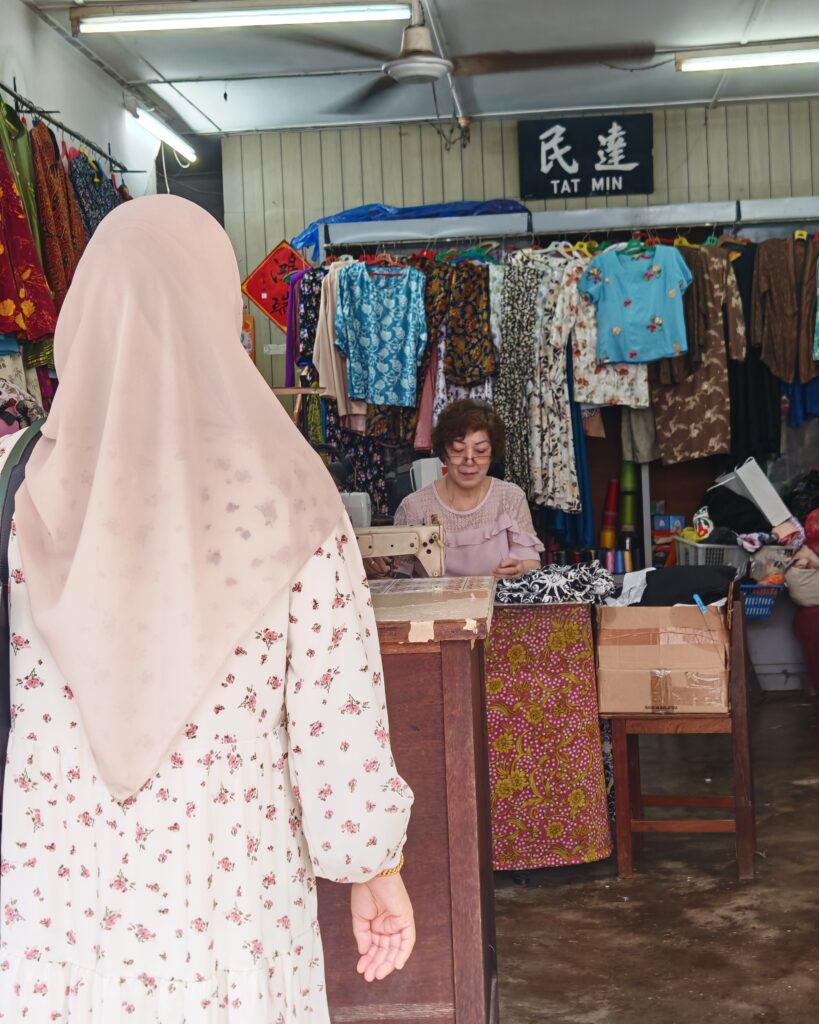
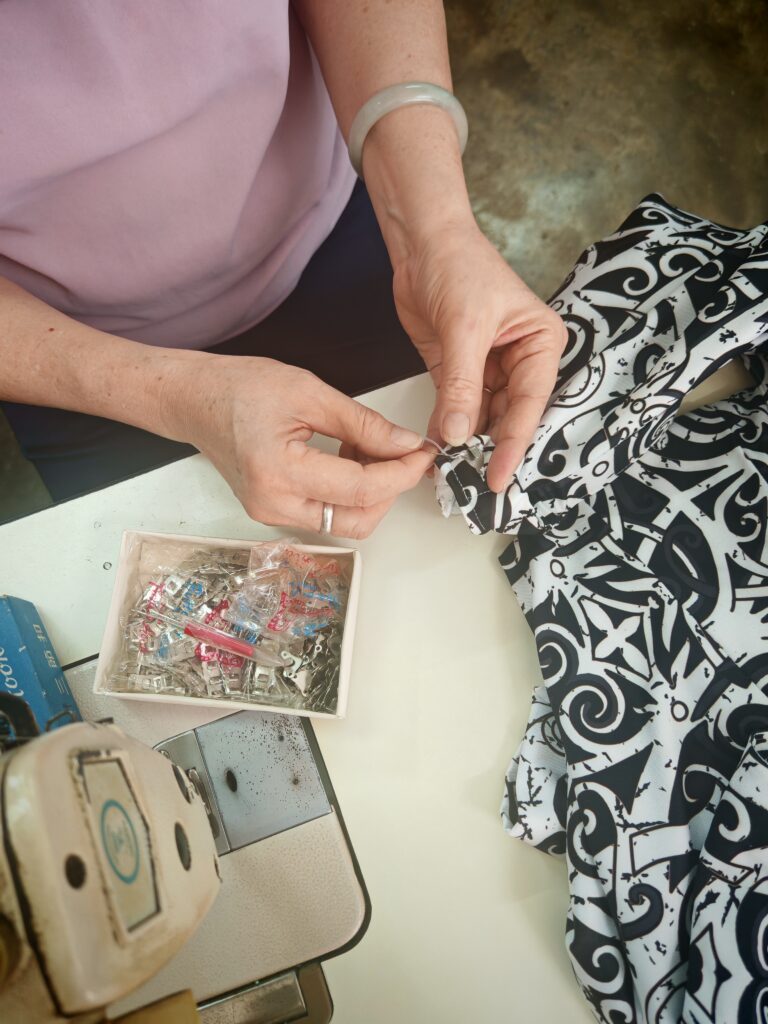
Echoing the same sentiment, Chin Ngee Moi of Tat Min Tailor said her customers come from all walks of life.
“Berapa bayar baju saya, auntie?” (How much should I pay for my alterations? a man asked.)
“Tak perlu bayar lah. Sikit saja.” (No need to pay. It’s just a minor alteration, she replied with a smile.)
Calm and focused, Chin has worked at the lane for over 30 years. A woman of few words, she nevertheless believes that beyond her shop walls, Sarawakians can live together in harmony.
Standing outside of Chin’s shop, a customer named Nur admired the dresses that the tailor had carefully sewn.
Having travelled from Bintulu to Kuching in search of a custom-made gown, Nur said that unity and strength were not new to her hometown either, but qualities shared throughout Sarawak.
“We are generally harmonious. We always try to help one another. During festive seasons, we visit each other. That’s something I will always treasure about us,” she said.
Her husband, fresh from a morning jog at Kuching Waterfront, agreed.
“It’s always refreshing to see how we mix freely with one another,” he said, as they both set off in search of breakfast at the lane. For them, food has always been a unifying force – then and now.
For tourists Sarah Ang and Dave, food was also a highlight.
“I love the apam balik here! It’s unique, soft and fluffy – very well prepared,” Sarah said.
On their third day in Kuching before flying home, they described the city as easy-going and laid-back, a stark contrast to their hectic lifestyle.
“Everyone here is carefree. We took a boat ride along the Sarawak River and saw children bathing and jumping into the water. It was such a fun sight – something we’d never see back home,” Dave added.
In preserving its authenticity, Sarawak continues to embody harmony and resilience, evident even amidst its modern growth. With these values deeply rooted, the lessons remain steadfast. With every smile and conversation, one truth shines through – we are Sarawakians, proud of our state, its progress and its identity.