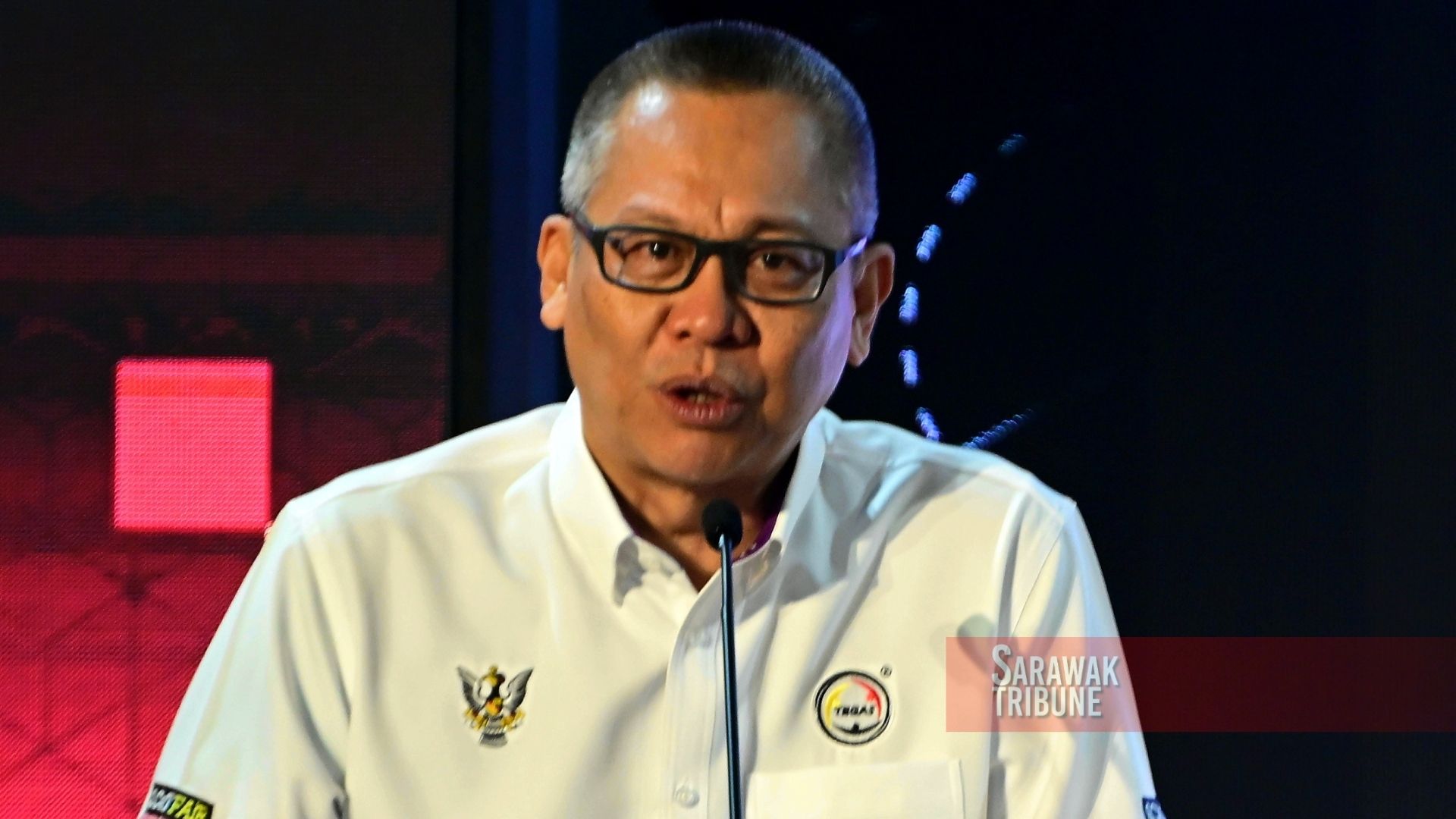
KUCHING: Kuching South City Council (MBKS) member, Eric Tay, has called for a fairer allocation of federal funds to Sarawak, saying the State’s unique challenges require a needs-based approach rather than one determined solely by population.
Commenting on the 2026 Budget tabled by Prime Minister Datuk Seri Anwar Ibrahim yesterday, Tay said that Sabah received RM6.9 billion while Sarawak was allocated RM6 billion, a difference of RM900 million.
“At first glance, this may appear reasonable, but Sarawak faces a faster ageing population, wider medical service coverage, and much higher operational costs in remote areas.
“Allocations based only on population ignore our unique structural challenges,” he said in a statement.
He also raised concerns over healthcare funding, noting that the State’s ageing hospitals and clinics, persistent manpower shortages, high transportation costs, and a rising elderly population needing chronic care and long-term treatment, raise questions about how much of the RM46.5 billion allocated to the Ministry of Health and the additional RM2 billion for hospital and clinic upgrades will actually benefit the State.
Tay also questioned the RM2.2-billion flood mitigation fund covering 43 projects nationwide, calling for transparency on how many would directly benefit Sarawak.
“Flooding has long affected riverside areas such as Kuching, Sibu, Bintulu, and Sarikei. We urge the federal government to disclose the locations of these projects,” he said.
Citing Malaysia’s fiscal capacity, Tay said that over the past two years, the federal government recovered more than RM15.5 billion in misappropriated funds and saved another RM15.5 billion through targeted subsidy reforms.
“Since the country has managed to recover and save over RM30 billion, can part of these funds be channelled to compensate Sarawak for petroleum revenues and development resources we have lost over the years?
“Sarawak deserves a fairer share of federal allocations,” he said.
Tay emphasised that despite the RM470-billion national budget, Sarawak received only RM6 billion, a disproportionately small share, and called for allocations that account for the state’s vast geography, sparse settlements, high infrastructure costs, and expensive medical logistics rather than population alone.
“Sarawak’s long-term development depends on whether the federal government can adopt a balanced and needs-based perspective toward East Malaysia, ensuring that every ringgit truly reaches the people who need it most,” he said.