KUALA LUMPUR: Men who suppress their emotions and struggle to share their feelings with their partners are often unaware that their behaviour affects their relationships, making it one of the biggest challenges in addressing toxic masculinity.
National Population and Family Development Board (LPPKN) Family Well-being Division Counselling and Intervention Unit senior assistant director Md Noh Saiman said the condition is known in psychology as the precontemplation stage, where a person is unaware of the need to change.
“In counselling cases handled by LPPKN, many issues involve men who are unaware that their behaviour is creating problems.
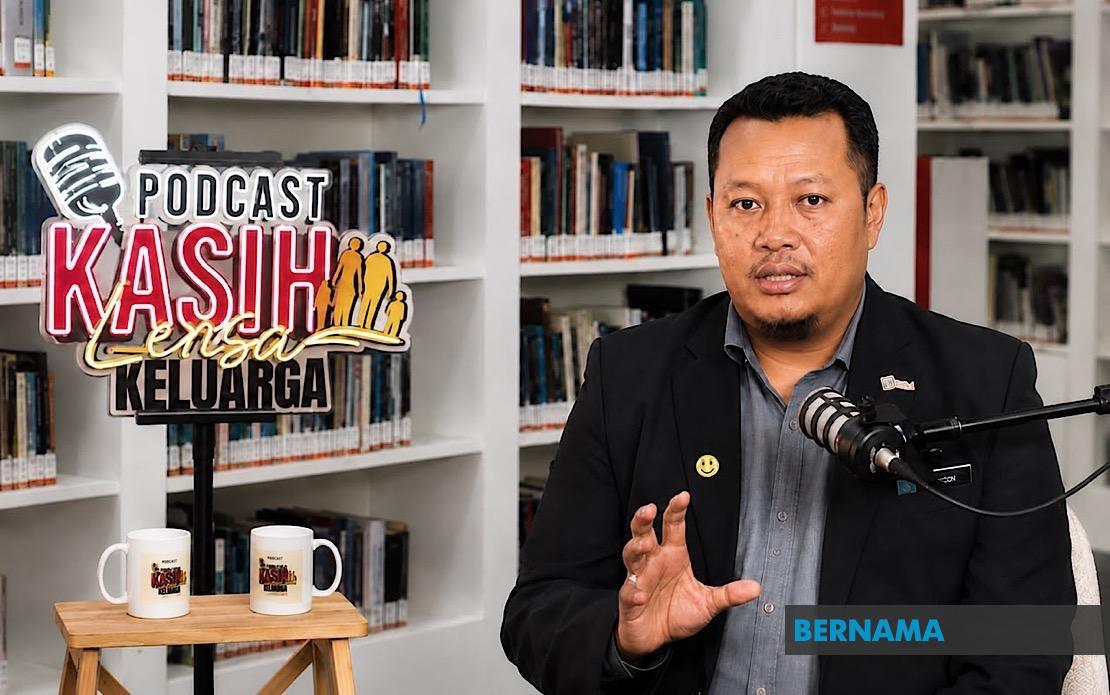
“This means they are in the precontemplation stage. They do not realise that their behaviour is unhealthy and do not know what they need to do,” he said during the KASIH Lensa Keluarga podcast titled Gentleman, More Than Just Macho.
He said the precontemplation stage does not develop overnight but is shaped by a person’s upbringing and parenting from an early age.
Md Noh said men often inherit behaviours and personality traits from their surroundings without realising they have become part of their identity, including the tendency to react physically when angry.
“Therefore, when they become adults, men tend to hold on to the principle, ‘This is who I am, why should I change?’
“Men do not feel there is any need to change, and this is what causes women to perceive them as displaying toxic masculinity,” he said.
He said social stigma also contributes to the precontemplation stage as boys are taught from childhood not to show weakness or cry, causing them to suppress their emotions and fail to understand the emotional impact on their partners.
According to him, being a gentleman who practises positive masculinity is not merely about appearing strong, but also about complementing one’s partner, including sharing responsibilities for household chores.
Md Noh said LPPKN also promotes the concept of shared responsibilities between spouses, as most husbands and wives today have their own careers.
The board also serves as a reconciliation body for couples facing marital problems, including providing counselling services to those intending to separate, he said.
He said most cases handled by LPPKN stem from poor communication closely linked to the precontemplation stage.
However, the situation can be improved when couples are given the opportunity to express their feelings and emotions through counselling sessions.
“When we use the mirroring technique, men often feel embarrassed or let their ego prevent them from expressing their feelings to their wives. So, we provide several psychometric inventories to help them better understand their wives,” he said.
LPPKN has also found that Malay men tend to keep their problems to themselves and find it difficult to share their feelings with their partners when facing marital issues.
“In our counselling rooms, many men well up with tears but refuse to cry because they feel embarrassed. But believe me, once we allow those tears to flow, we are able to release the emotions that have long been bottled up inside,” he added.
— BERNAMA