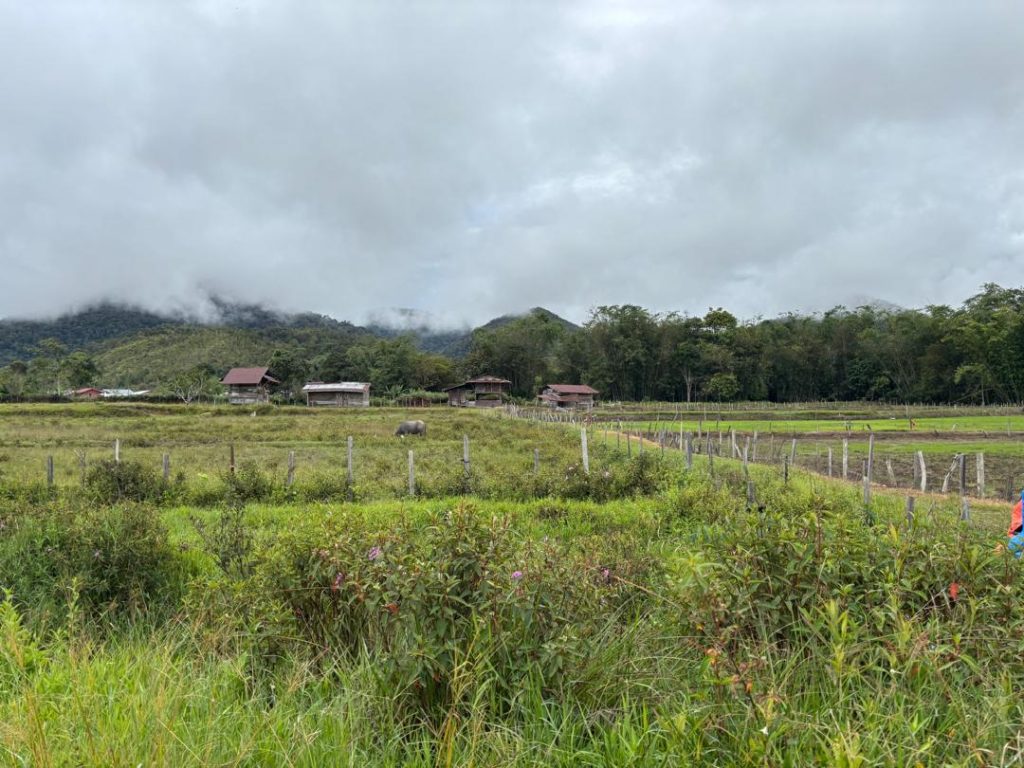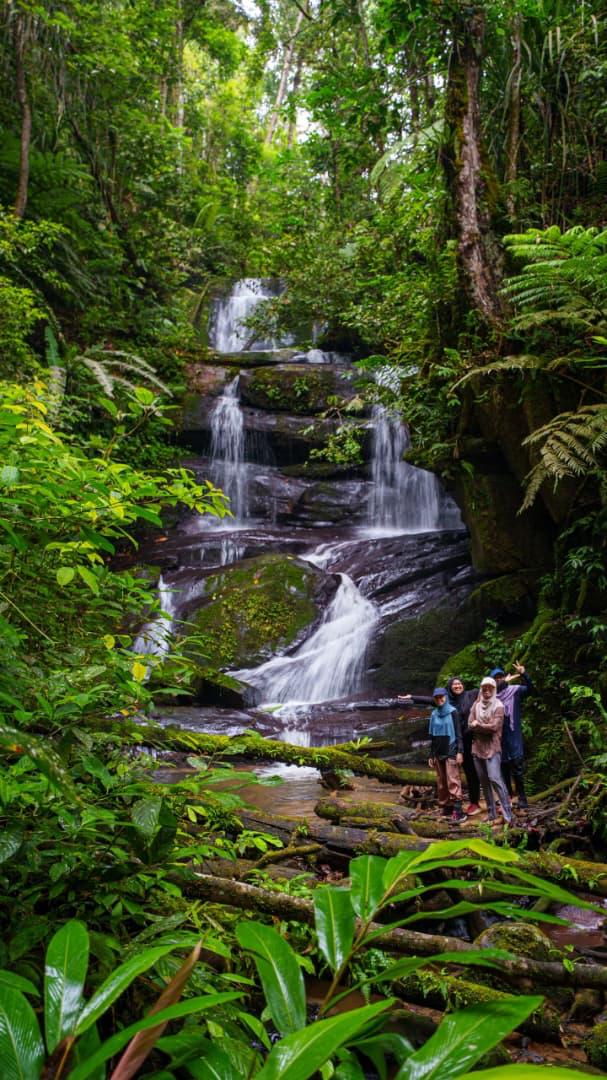
NESTLED in the Kelabit Highlands, Bario continues to captivate visitors with its pristine landscapes, rich cultural heritage and tranquil surroundings, with the community there striving to preserve its traditions while adapting to modern challenges.
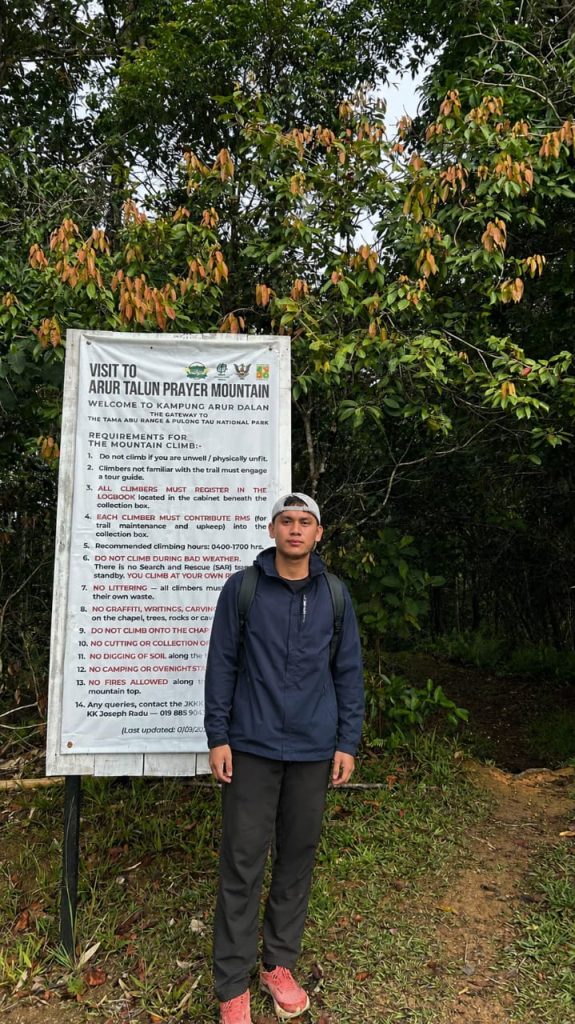
Tourist guide Jonathan Tingang, 20, said visitors were drawn to Bario for its cool climate and picturesque paddy fields and also for the opportunity to immerse themselves in the Kelabit way of life.
“Many visitors enjoy visiting Kelabit villages, staying in homestays to experience the local way of life, and exploring the community’s cultural and historical sites.
“The cool climate and peaceful atmosphere are among the highlights that make Bario a unique destination,” he said.
Exploring Kelabit villages and visiting cultural and historical sites also allows travellers to gain a deeper appreciation of the community’s heritage, attracting tourists as it is truly a one-of-a-kind experience to live the way the locals live.
As the tourism sector in the area continues to grow every year, it serves as a platform to introduce the unique culture of the Kelabit people to visitors from Malaysia and abroad.
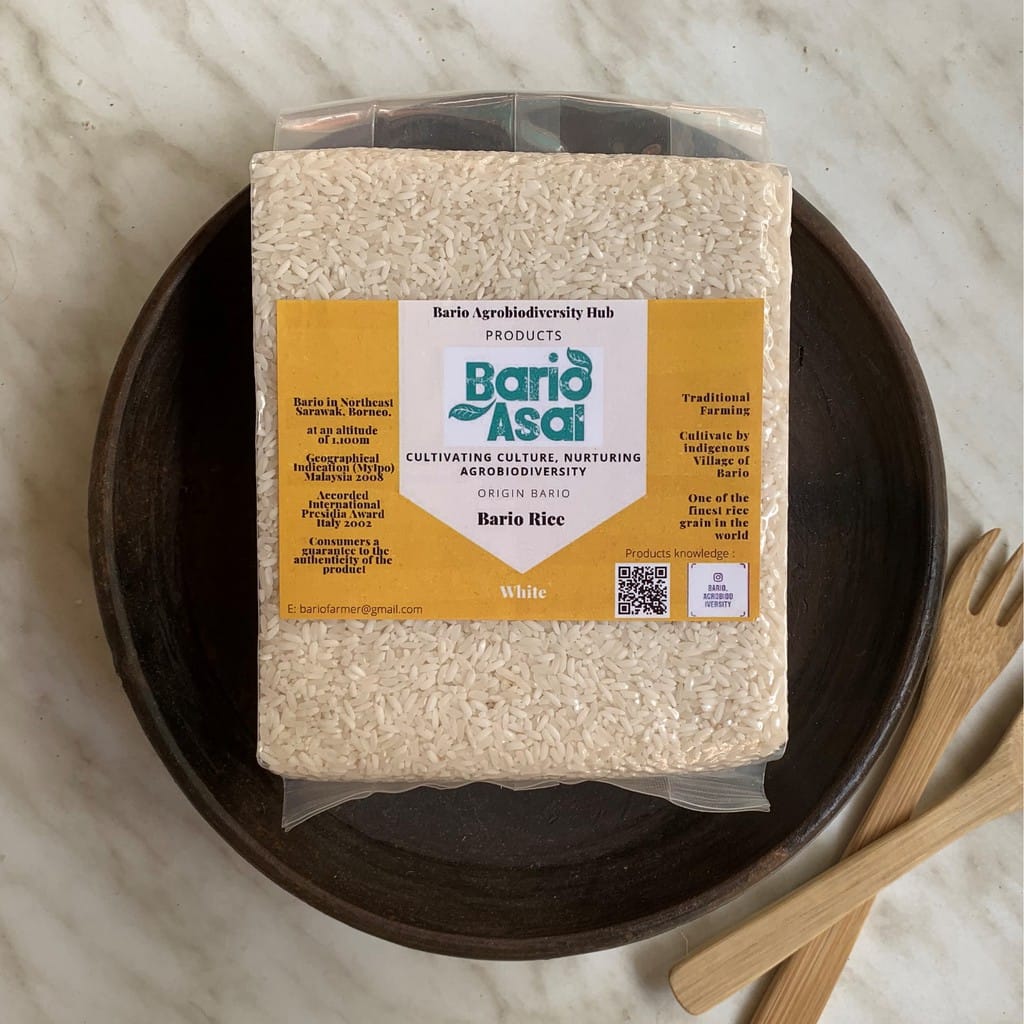
He said Bario rice remained one of the area’s biggest attractions, owing to its distinctive qualities and cultural significance.
“Bario rice is known for its fragrant aroma, soft texture and distinctive taste due to it being cultivated in the cool highlands using clean mountain water and we utilise traditional, environmentally friendly farming methods which were passed down by our ancestors.
“More importantly, it is a cultural heritage of the Kelabit community and has received Geographical Indication (GI) recognition,” he said.
The GI recognition has further strengthened Bario’s reputation and attracted greater interest among visitors, prompting Jonathan to play an active role in ensuring that Bario’s culture and natural environment are preserved as tourism continues to grow.
“I educate visitors about Kelabit customs and traditions while encouraging responsible tourism practices.
“At the same time, the community places great emphasis on protecting the environment by maintaining cleanliness and minimising pollution,” he said.
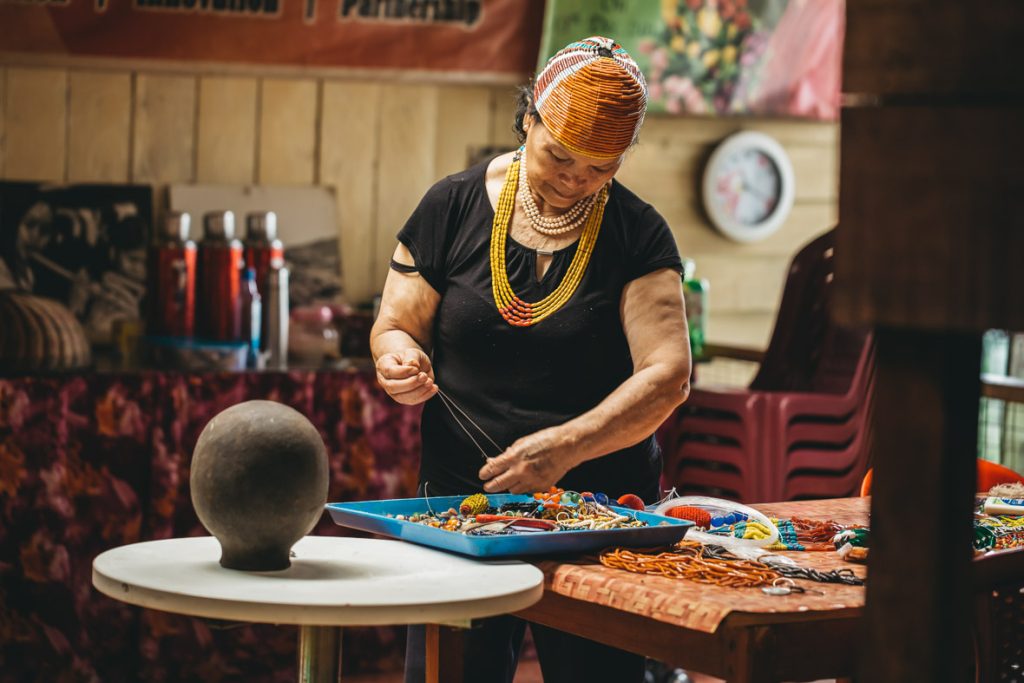
He said the growing tourism industry had created employment opportunities for residents as tour guides, homestay operators and small business owners, while generating additional income through the sale of local agricultural produce, handicrafts and traditional food.
However, Jonathan believes there is still untapped potential to promote Bario’s other local products alongside its famous rice.
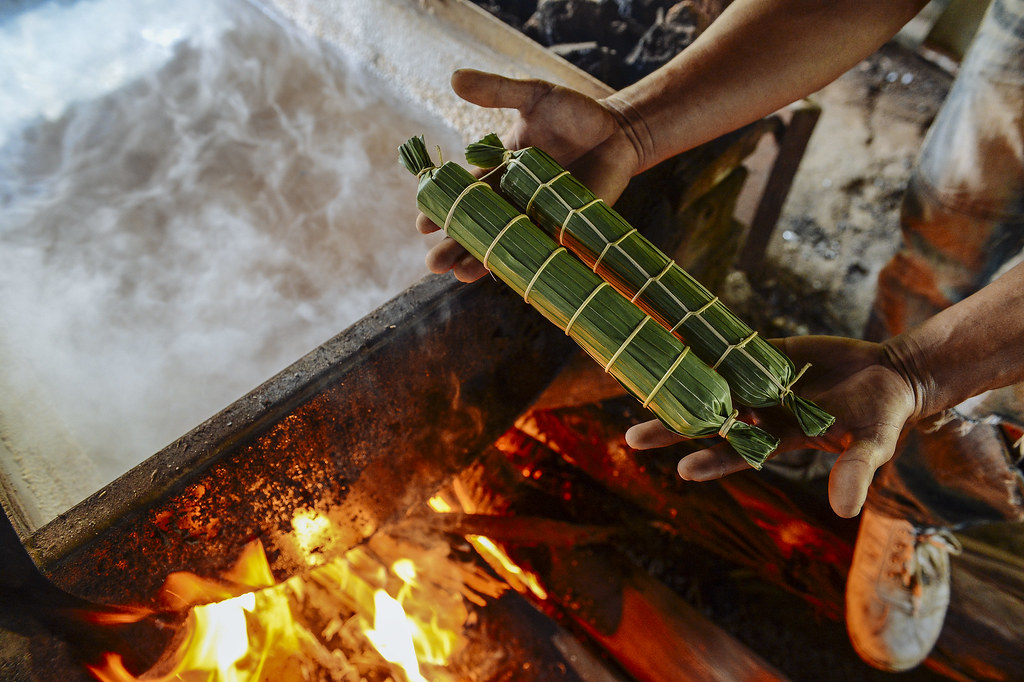
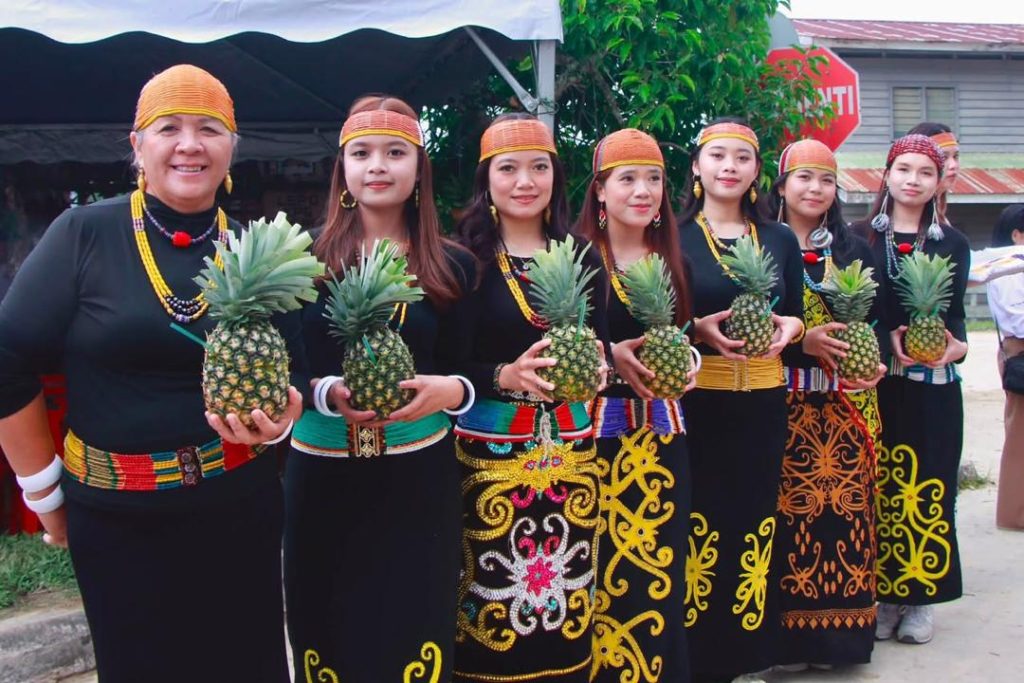
“There are many local products with strong market potential, including Bario pineapples, Bario hill salt, forest products, Bario coffee and locally made handicrafts.
“These products have their own unique qualities and reflect Bario’s cultural identity,” he said.
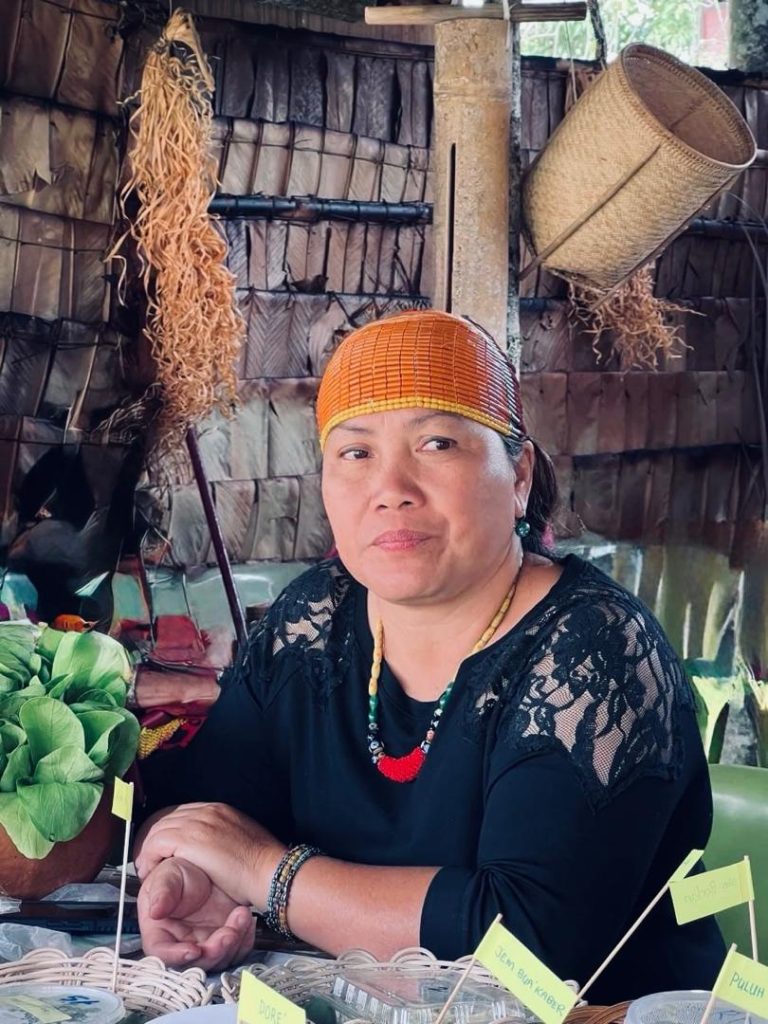
Jonathan’s mother, Juliana Lawai, 50, shares the same passion for preserving Bario’s heritage.
Besides operating the family-run JJ Homestay, she owns two acres of paddy fields and three acres of pineapple plantation, allowing her to combine agriculture with community-based tourism.
She said Bario rice continued to stand out among the many rice varieties available in the market because of the community’s commitment to preserving traditional farming practices.
“Most farmers still practise traditional cultivation methods with minimal use of chemicals, seed selection, paddy cultivation and harvesting preserved to maintain the identity and quality of Bario rice.
“Modern technology is used for weather forecasting, marketing, social media promotion, and improving packaging to enhance efficiency and keep Bario rice competitive,” she said.
Despite its reputation, Juliana said farming in the remote highlands came with significant challenges, particularly the impact of unpredictable weather on crop production.
“Unpredictable weather has become a major challenge for Bario rice cultivation as heavy rainfall can flood paddy fields and damage crops, while prolonged dry seasons reduce water supplies needed for farming.
“Climate change has also increased the risk of crop diseases and pests, requiring farmers to adjust planting schedules, manage water resources more efficiently, and seek guidance from agricultural agencies,” she said.
She added that limited planting areas and labour shortages had further constrained production while fewer young people were choosing to remain in agriculture, raising concerns about the future of traditional rice farming in Bario.
“Although there are some young people who remain interested in continuing the tradition of rice farming, the numbers are steadily declining.
“Many choose to pursue higher education or seek employment elsewhere, causing traditional knowledge and farming skills to be at risk of disappearing if they are not passed on to future generations,” she said, expressing concern that these long-standing practices could eventually be forgotten.
Despite this trend, her eldest son, Jason Joseph, 29, who has long helped with the family’s farming activities, believes there is still hope for the younger generation to carry on Bario’s agricultural traditions.
“During every planting season, many young people working in the cities take leave to return to Bario to help their parents. It is a positive tradition that should continue among the younger generation,” he said.
Jason added that Bario rice was promoted through the annual Bario Food Festival (Pesta Nukenan Bario), held every July, as well as through tourists staying at local homestays and social media platforms, which had helped increase its popularity among urban consumers.
Despite the growing recognition, he said distributing Bario rice remained a significant challenge.
“Transporting Bario rice is difficult, as the journey from Miri takes between 14 and 16 hours via logging roads. Rising fuel prices and limited air cargo capacity have also increased transportation and production costs,” he said.
Looking ahead, the family believes continued support from the government and external organisations will be vital in strengthening Bario’s agricultural sector and ensuring the long-term sustainability of its rice farming tradition.
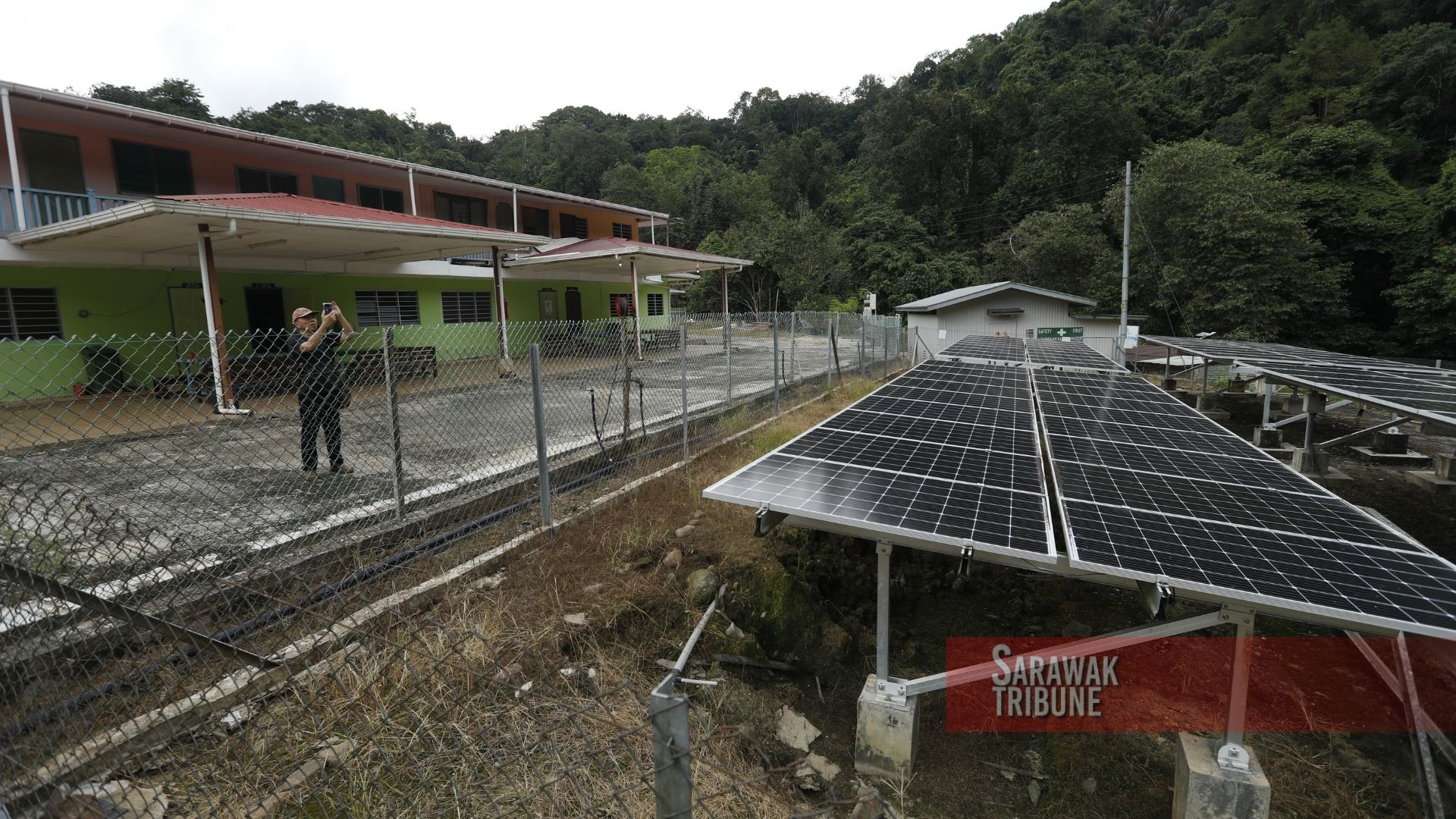
Jason and Jonathan expressed hope for improved road connectivity, better internet access and enhanced accommodation facilities to make the Kelabit Highlands more accessible to visitors while preserving its unique culture and natural environment.
They also called for continued government support through infrastructure development, farmer training programmes and agricultural subsidies.
Juliana stressed the importance of expanding research and marketing initiatives as well as strengthening collaboration with higher education institutions, non-governmental organisations (NGOs) and the private sector to further develop the local rice industry.
They believe that with sustained support and collaboration, Bario can safeguard its rich agricultural heritage while creating sustainable economic opportunities for future generations.