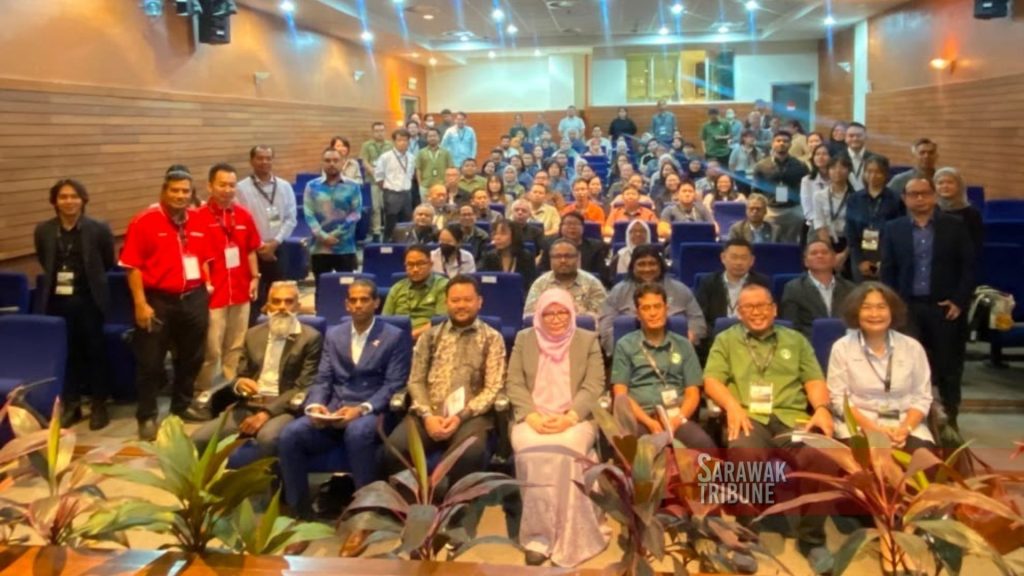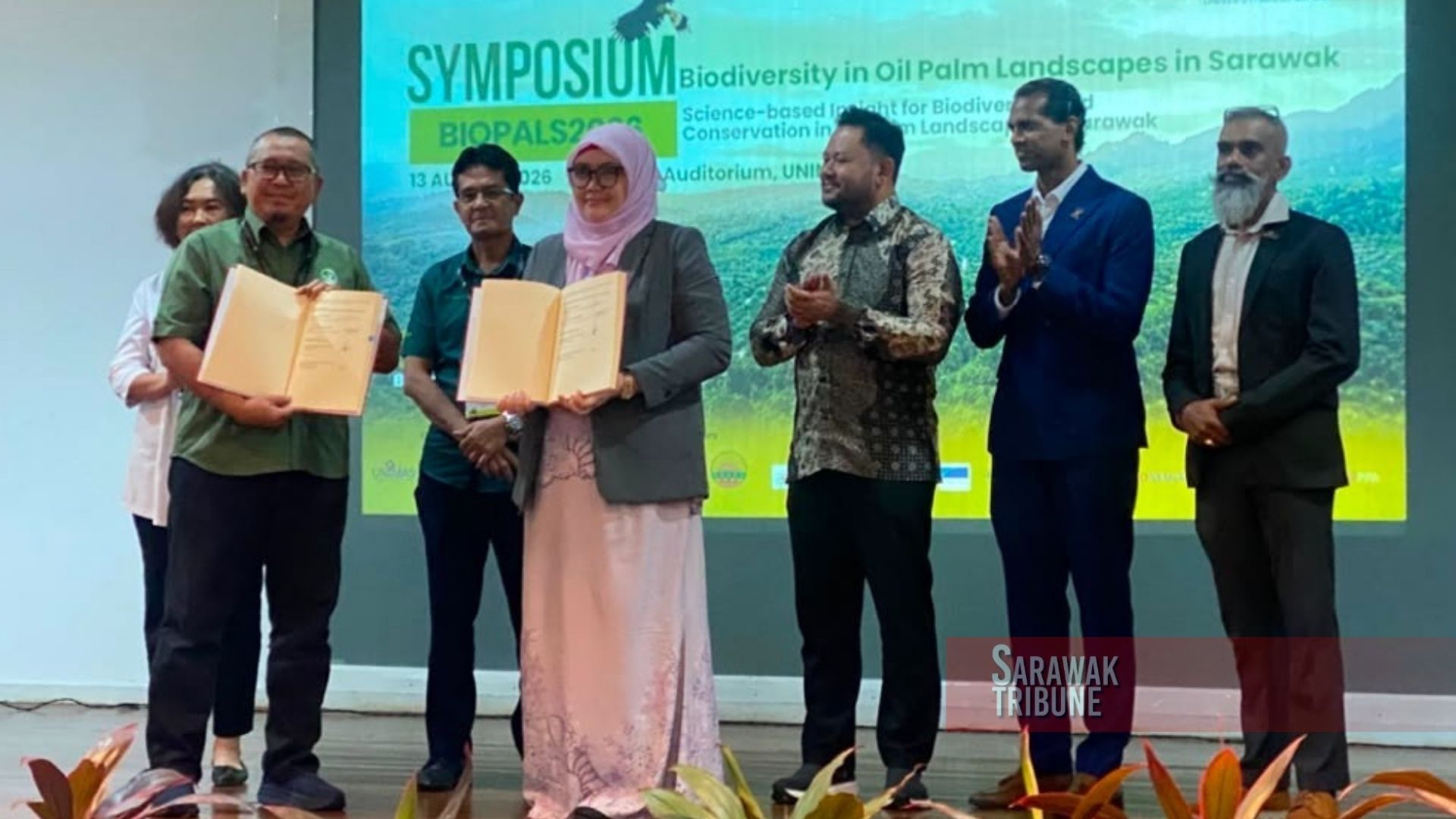
KOTA SAMARAHAN: The Malaysian Palm Oil Board (MPOB) will expand biodiversity research by integrating emerging technologies like artificial intelligence (AI) and bioacoustics into plantation management.
MPOB’s Director-General, Datuk Badrul Hisham Mohd, said this initiative aims to strengthen long-term ecological monitoring, nature-based solutions and climate resilience across oil palm landscapes.
Badrul highlighted that extensive research continues to shape national policies, including Malaysian Sustainable Palm Oil (MSPO) standards that prohibit new peatland cultivation and primary forest conversion after December 31, 2019.
“Sarawak plays a vital role as Malaysia’s top palm producer while retaining rich tropical forests,” Badrul noted, emphasising practical solutions such as protecting riparian reserves, restoring ecological corridors, and conserving High Conservation Value areas.
He said this in his speech read by MPOB’s Acting Deputy Director-General (Research and Development), Dr Mohd Hefni Rusli, at the ‘Symposium on Biodiversity in Oil Palm Landscapes in Sarawak 2026’ (BioPALS 2026) at Universiti Malaysia Sarawak (UNIMAS) today.
Reinforcing the call for evidence-based sustainability, UNIMAS Vice-Chancellor, Professor Ahmad Hata Rasit, stressed that development and conservation can no longer be viewed in isolation.
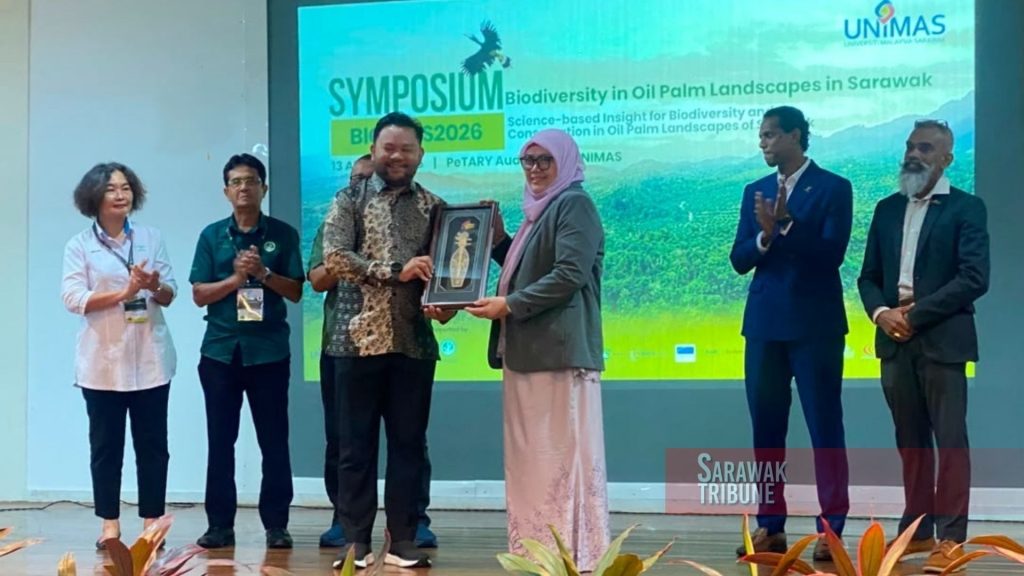
He pointed out that responsibly managed oil palm landscapes can support meaningful biodiversity levels.
“The central question before us is no longer whether development and conservation can coexist, but how they can be aligned through sound science, responsible management, and informed decision-making,” Ahmad Hata said in his speech read by UNIMAS Deputy Vice-Chancellor (Research and Innovation), Professor Ir Dr Siti Noor Linda Taib.
He noted that institutional commitment is vital, highlighting UNIMAS’ direction in balancing environmental stewardship and economic relevance through the ‘UNIMAS Lestari’ initiative.
Ahmad Hata added that practical progress relies on translating academic research into field-level action through key industry partnerships.
“Such dialogue is essential if biodiversity conservation is to move beyond aspiration and become an integral component of landscape-level planning,” he stated, commending joint efforts with MPOB, Malaysian Palm Oil Green Conservation Foundation (MPOGCF), Sarawak Land Consolidation and Rehabilitation Authority (SALCRA), and Sarawak Oil Palms (SOP).
BioPALS 2026 brings together researchers, industry leaders, and policymakers to establish science-backed solutions for sustainable land management.