KUCHING: Women must play a stronger role in preserving and shaping Sarawak’s cultural heritage while being empowered to translate cultural knowledge into sustainable economic opportunities.
Minister of Women, Family and Community Development Datuk Seri Nancy Shukri said heritage should be understood as a living expression of identity rather than something confined to museums or the past, stressing that cultural narratives must continue to be documented and shared by local communities themselves.
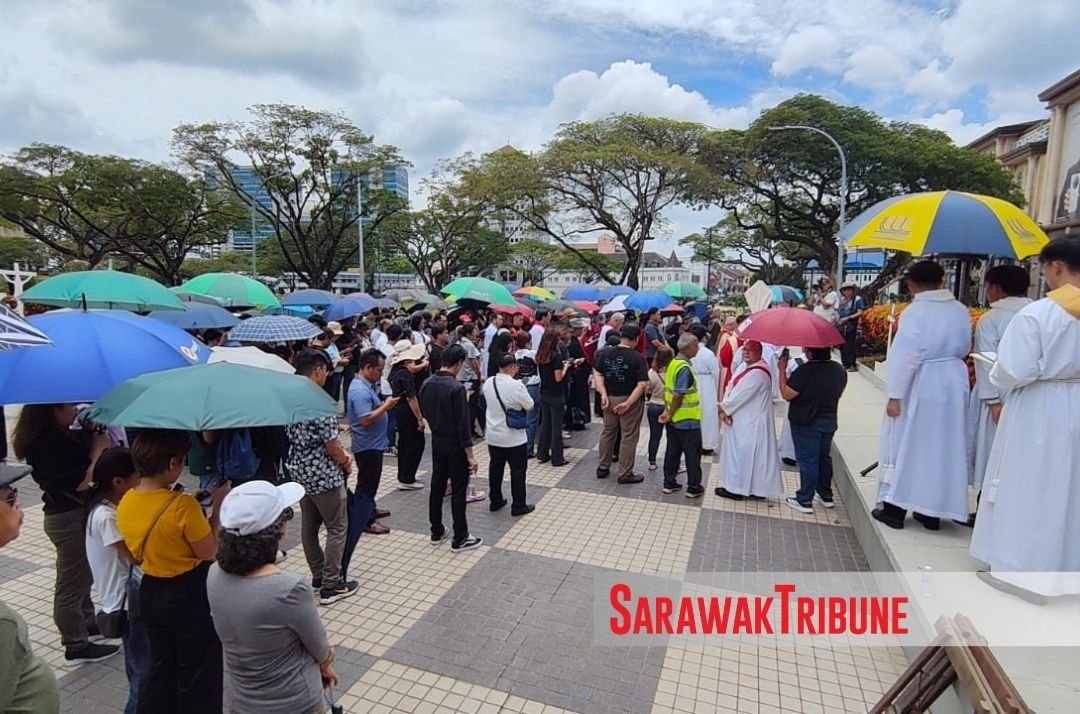
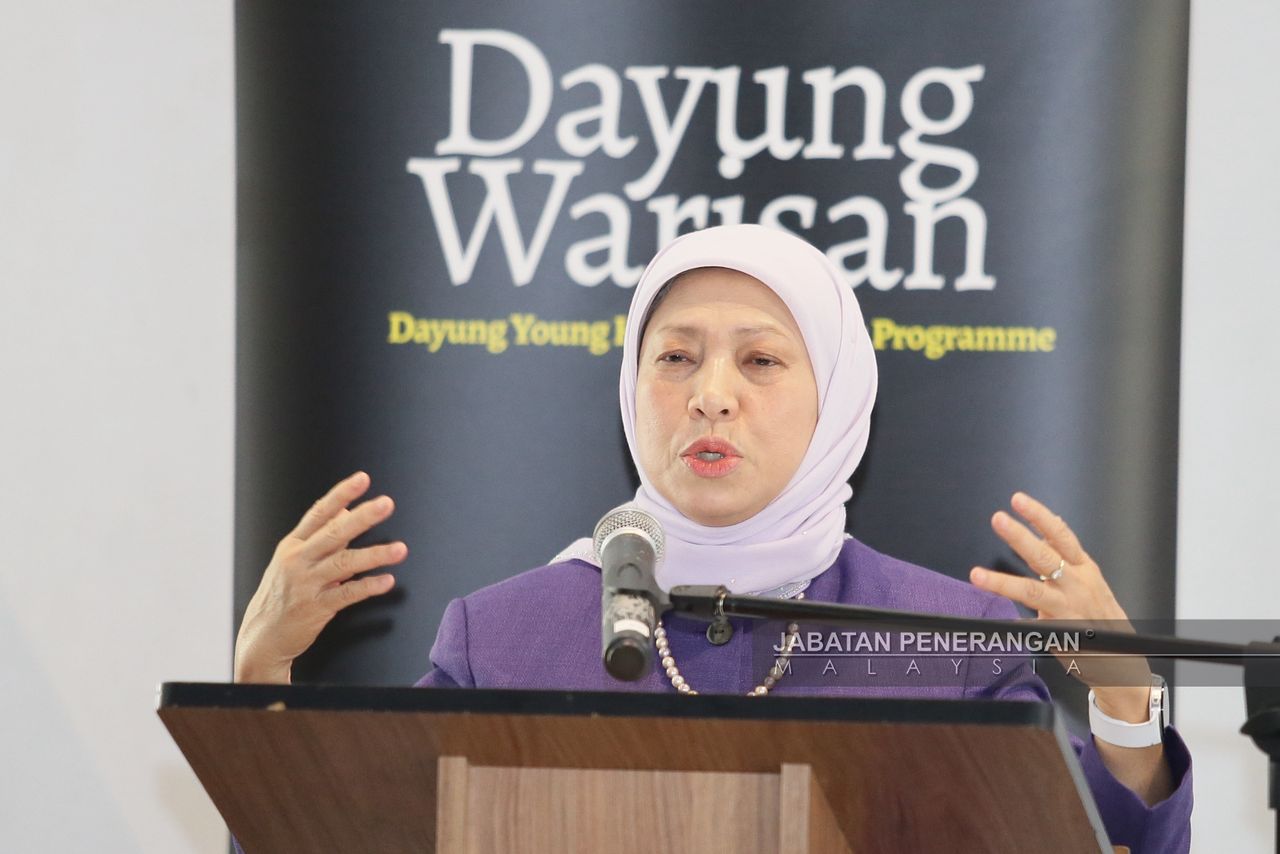
“Heritage is not just about old objects or traditions kept in a museum. Heritage is our memory, our identity, and our sense of belonging. It lives in our songs, our crafts, our beads, our languages, our oral histories, and our everyday practices,” she said when speaking at the closing ceremony of the Dayung Warisan programme at the Old Courthouse here, today.
She added that initiatives which encourage communities to tell their own stories are important in ensuring authenticity and continuity across generations.
“If we do not tell our own stories, others will tell them for us,” she said, noting that women often serve as custodians of family and community knowledge.
Nancy also described the meaning behind the name ‘Dayung’, explaining that while it refers to women in the Bidayuh language, it also symbolises collective movement in carrying heritage forward.
“When women rise, culture survives and communities grow stronger,” she added.
Speaking to the press later, Nancy highlighted that empowerment efforts must extend beyond cultural appreciation to include economic independence, particularly through small-scale entrepreneurship and creative industries.
She said initiatives under the ministry have encouraged women to monetise skills and resources available within their own surroundings, enabling them to contribute to household income while strengthening local economies.
“We need to do something for women so they can stand on their own. There are many ways we can help, including providing small capital and opening space for them to showcase their creativity,” she said.
Nancy shared that during the Covid-19 period, training in simple batik-making had enabled some women to turn natural resources found around their homes into products now sold commercially, demonstrating how cultural skills can evolve into income-generating opportunities.
She added that government support remains crucial in providing early assistance such as equipment, training and workspace to help women begin their ventures.
“We want women not to be overly dependent on others. When women are able to generate income, it helps their families and contributes to the wider economy,” she said.