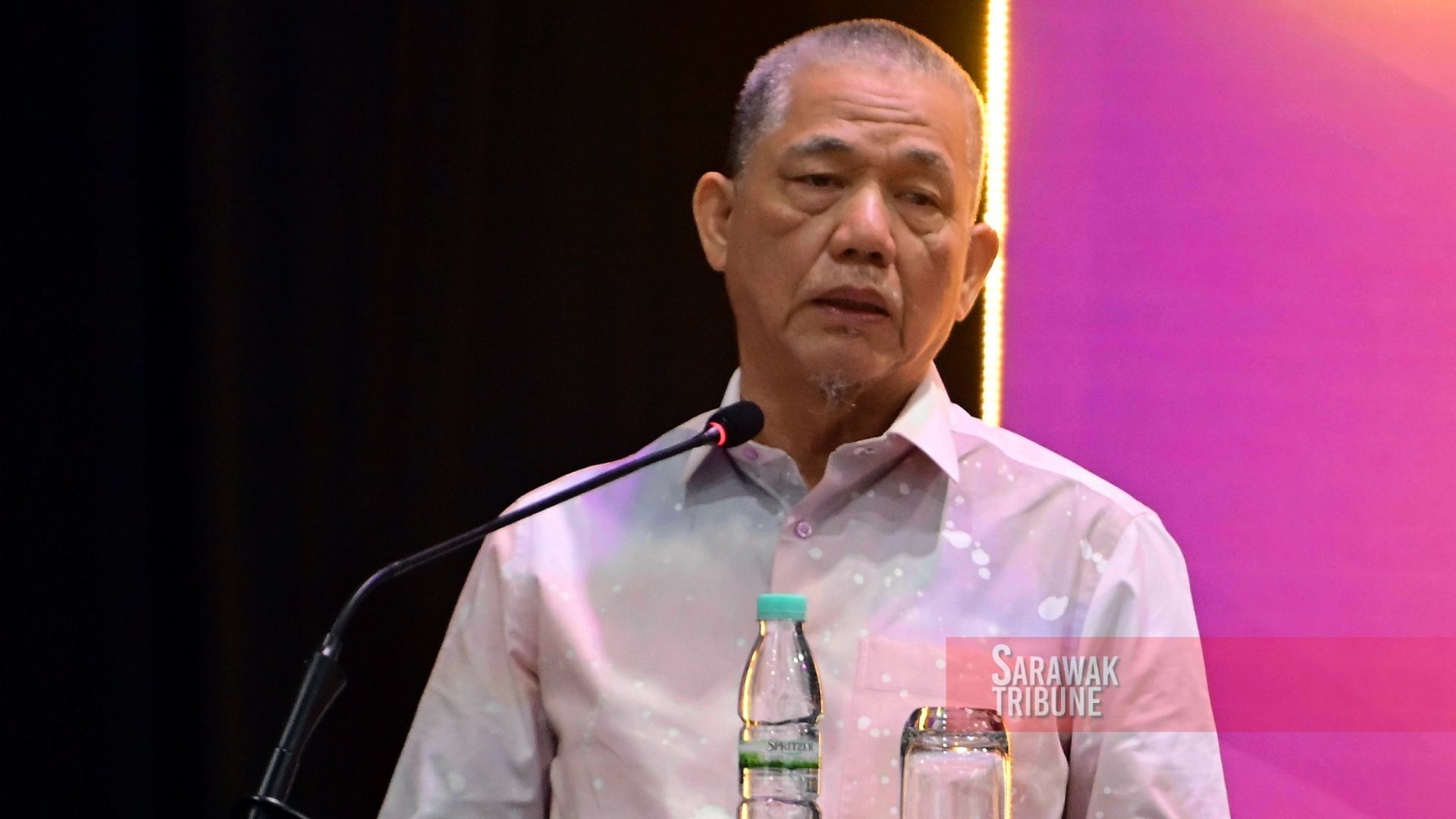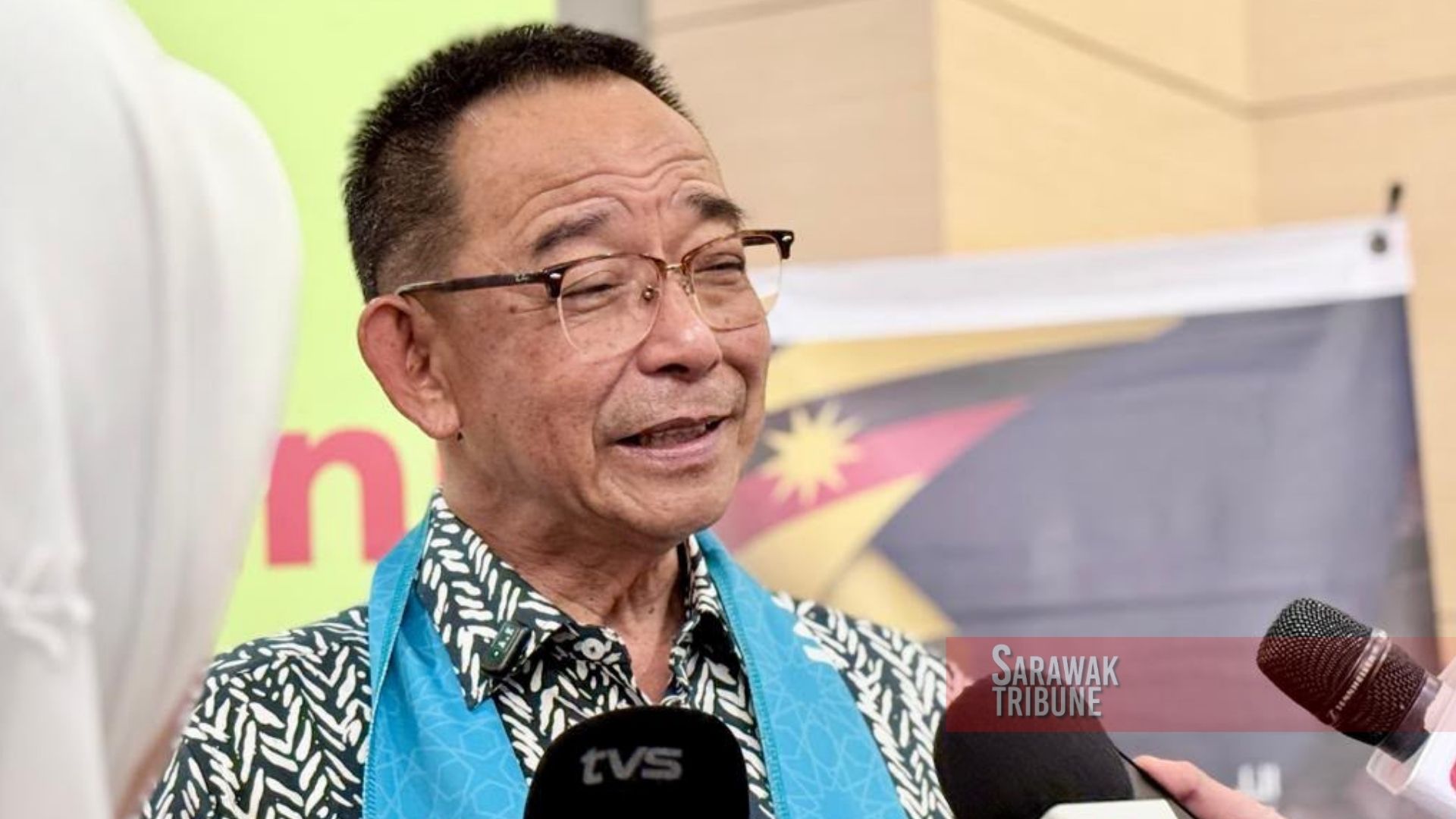
KUCHING: Pakatan Harapan’s (PH) crushing Negeri Sembilan defeat reflects deep public dissatisfaction and could alter Malaysia’s political landscape before the next general election.
Describing the outcome as “more than a loss”, political analyst Datuk Peter Minos said the defeat amounted to “a political massacre” after the ruling coalition secured only 11 of the 36 state seats.
He noted that the losses of PH heavyweights, including DAP secretary-general Anthony Loke and caretaker Negeri Sembilan Menteri Besar Datuk Seri Aminuddin Harun, underscored the scale of the electoral setback.
“The question is why PH managed to win only 11 seats and why leaders such as Loke and Aminuddin were defeated,” he said.
According to Minos, the results reflected growing frustration among voters over what they perceived as the coalition’s failure to fulfil key promises.
He said many Malaysians were disillusioned by unfulfilled election pledges, the rising cost of living, delayed institutional reforms and what they viewed as excessive political manoeuvring.
He also pointed to remarks by certain DAP leaders that were perceived as insensitive to Malay sentiments, saying such statements had contributed to dissatisfaction among sections of the electorate.
“People simply could not take it anymore. They voted in large numbers against PH, and leaders like Loke and Aminuddin became collateral damage,” he said.
Looking ahead, Minos said attention would now turn to DAP’s special national congress on Aug 16, where delegates are expected to decide whether the party’s federal ministers and deputy ministers should continue serving in the unity government.
He said if DAP chose to remain in the federal administration, the PH-led government could continue until the end of its term.
“However, if delegates decide their ministers and deputy ministers should withdraw from the Cabinet, the federal government could face serious instability. We will have to wait and see how events unfold,” he said.
Minos added that the cumulative impact of PH’s recent setbacks in Sabah, Johor and now Negeri Sembilan would weigh heavily on the coalition.
He also predicted that Barisan Nasional (BN) was strongly positioned to retain power in the upcoming Melaka state election.
“For me, it is almost a foregone conclusion. BN should win comfortably,” he said.
Turning to Sarawak, Minos said the state should avoid becoming entangled in Malaya’s political contests.
Instead, he urged Sarawakians to remain united behind Gabungan Parti Sarawak (GPS) while focusing on strengthening the state’s economy under the leadership of Premier Datuk PatinggiTan Sri Abang Johari Tun Openg.
“A united and economically strong Sarawak will be in a better position to negotiate with the federal government and safeguard its interests,” he said.
On speculation that Prime Minister Datk Seri Anwar Ibrahim could call an early general election, Minos said the decision would depend on political and economic developments.
He said an early election might become an option if conditions continued to deteriorate, although waiting until 2028 could also allow more time for reforms and economic recovery.
“PH is now nursing painful defeats in Sabah, Johor and Negeri Sembilan, with the possibility of another setback in Melaka.
“These are challenging times for the Prime Minister and his administration. They must carefully consider their next move and hope for the best,” he said.