SARAWAK’S green economy could unlock new industries centred on sustainable aviation fuel (SAF), green hydrogen and advanced biomass products by turning agricultural and forestry waste into high-value commercial resources.
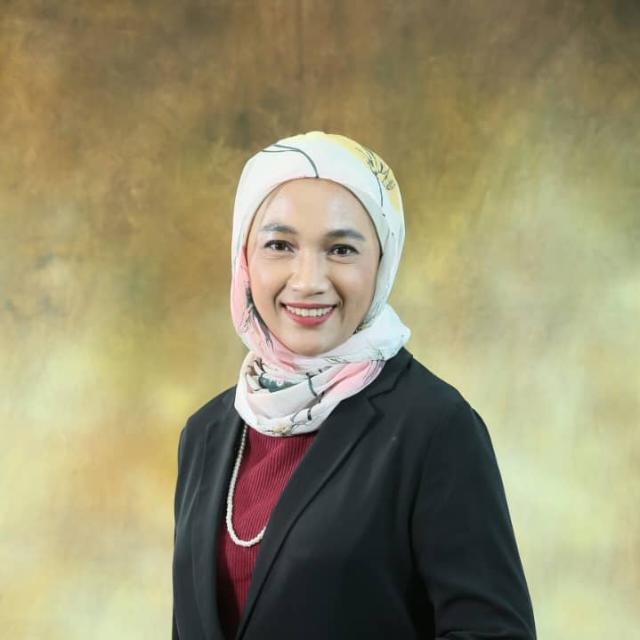
Associate Dean of Research and Development at Curtin University Malaysia’s Faculty of Engineering and Science, Prof Ir Bridgid Chin Lai Fui, said the state’s abundant renewable resources, particularly hydropower and biomass, give Sarawak a significant competitive advantage in developing highvalue, low-carbon industries.
She said Sarawak’s extensive hydropower capacity provides reliable low-carbon electricity for producing green hydrogen through electrolysis, while its large volume of biomass residues from the oil palm, forestry, bamboo and agricultural sectors presents substantial commercial opportunities.
“These renewable feedstocks can be converted into value-added products such as sustainable aviation fuel, renewable fuels, biochar, green chemicals and hydrogen through advanced thermochemical technologies, including pyrolysis and gasification,” she said in conjunction with Sarawak Day.
According to Bridgid, converting biomass waste into valuable products would not only reduce environmental impacts but also strengthen Sarawak’s circular bioeconomy by creating new revenue streams for local industries and improving resource efficiency.
She said Sarawak’s longterm commitment to renewable energy, coupled with its Hydrogen Economy Roadmap and growing investments in complementary technologies such as carbon capture, utilisation and storage (CCUS), energy storage systems and smart grids, further strengthens its position as a regional green energy hub.
Beyond energy production, Bridgid said the green economy presents significant opportunities for businesses to diversify and innovate as global demand for lowcarbon products and sustainable manufacturing continues to grow.
She identified renewable energy, green hydrogen, SAF, biomass utilisation, CCUS, energy storage systems, sustainable manufacturing, environmental consulting and green construction among the sectors with the strongest growth potential.
“Businesses that embrace sustainable practices and lowcarbon technologies will be better positioned to remain competitive, attract investment and access emerging international markets,” she said.
However, Bridgid stressed that technology alone would not determine Sarawak’s success.
She said developing futureready talent would be equally critical as demand rises for engineers, scientists, technicians, sustainability professionals and digital specialists to support emerging green industries.
Although universities have made significant progress by integrating sustainability, renewable energy and engineering innovation into teaching and research, she said continuous curriculum enhancement remains necessary to keep pace with rapid technological advancements.
Graduates, she said, would increasingly require competencies beyond traditional engineering, including artificial intelligence (AI), automation, data analytics, simulation, digital engineering, sustainability principles and life cycle assessment.
Equally important, she added, are transferable skills such as communication, leadership, project management, entrepreneurship and interdisciplinary collaboration.
Bridgid also called for stronger partnerships between universities and industry through internships, industrial research projects and joint innovation programmes to ensure graduates possess industryrelevant skills while allowing employers to contribute directly to talent development.